

Mould Issues
Clear guides on black mould, condensation and damp-related mould in UK homes: what causes it, whether it is dangerous, and how to get rid of it for good.
Mould inspection, part of the Assessment
We confirm the price of mould treatment on a written quote, depending on the area affected and whether the underlying moisture cause needs addressing.
Black mould on a bedroom wall can affect breathing, especially overnight, and is best removed by treating the moisture cause, not just wiping.
DIY sprays treat mould symptoms while the cause returns; professional removal finds and fixes the moisture source with a clear, evidence-backed plan.

Mould grows behind furniture where trapped, still air meets a cold external wall and moisture condenses, and here is how to stop it returning.
Winter condensation spikes when warm, moist indoor air meets cold surfaces; here is why it happens and how to manage it.
Mould can seriously harm babies' developing lungs, so learn the warning signs, where to look, and how to remove it safely around your child.

Shut windows trap moisture and pollutants, feeding condensation and mould that wreck indoor air quality. Here is how to spot it and fix it.
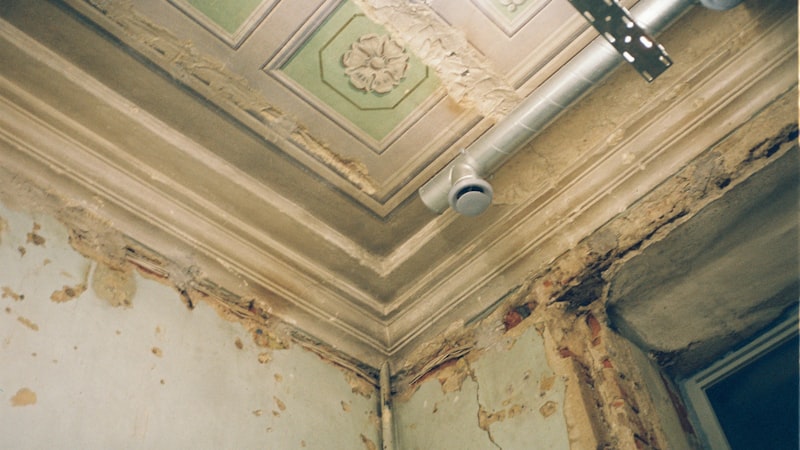
Mould on clothes and in wardrobes is driven by trapped humidity, cold walls and poor airflow. Here is why it happens and how to stop it.
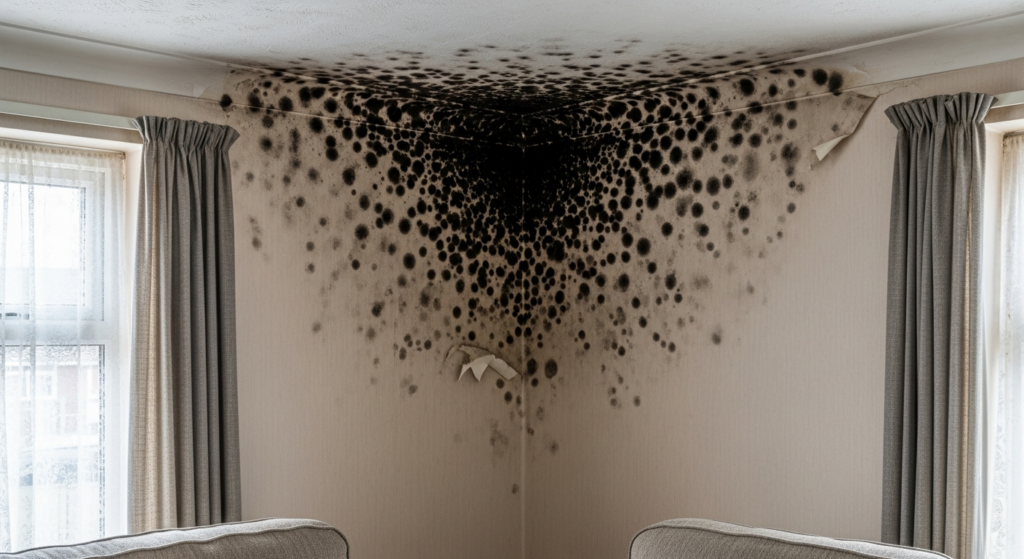
Yes, black mould can harm your health, especially for vulnerable people, by releasing spores that trigger respiratory and allergic symptoms.
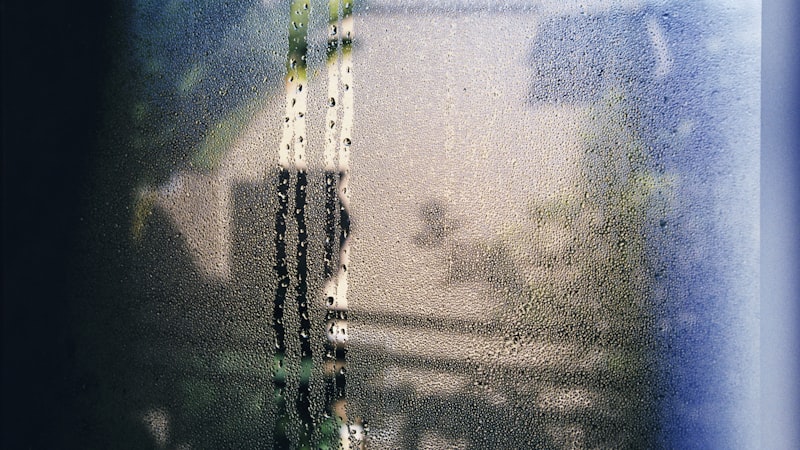
Black mould is linked to coughing, wheezing and worsened asthma, with children and vulnerable people most at risk, so persistent indoor mould should be investigated.

Black mould on walls is caused by excess moisture, poor ventilation and cold surfaces where condensation forms and feeds mould spores.

Neither green nor black mould is automatically worse: colour cannot identify the species or risk, so the moisture source and exposure matter most.

Black mould on a bedroom ceiling is nearly always condensation. Learn the causes, how to treat it safely, and how to stop it returning.
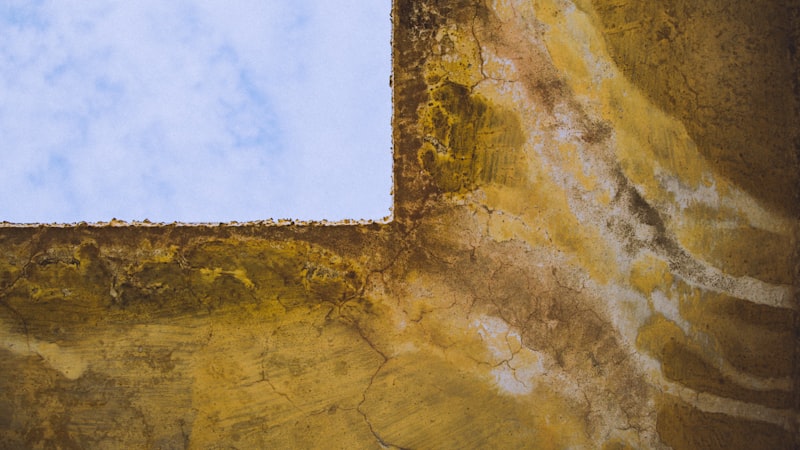
If you rent and find black mould, report it to your landlord in writing with photos immediately, keep records, and understand your legal protections.
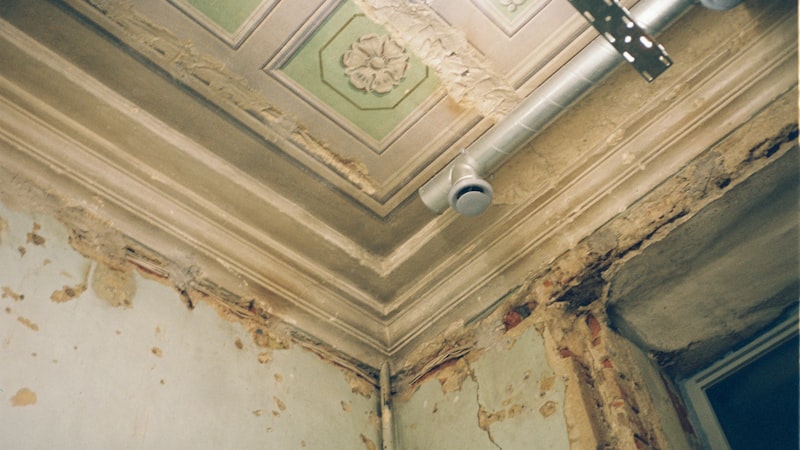
Black mould on carpet is caused by trapped moisture in the fibres and underlay, poses real health risks, and rarely clears without fixing the source.
Black mould spores are microscopic cells that spread through the air and regrow wherever moisture is present, so fixing the damp source is essential.

Black mould on window sills is driven by condensation on cold glass and frames. Learn why it forms, how to remove it, and when to survey.
Black mould is killed by removing the moisture feeding it and treating surfaces with a fungicidal biocide, not bleach, which only hides staining.
Black toxic mould can be dangerous with prolonged exposure, but the panic is often exaggerated. Here is the honest picture and what to do about it.
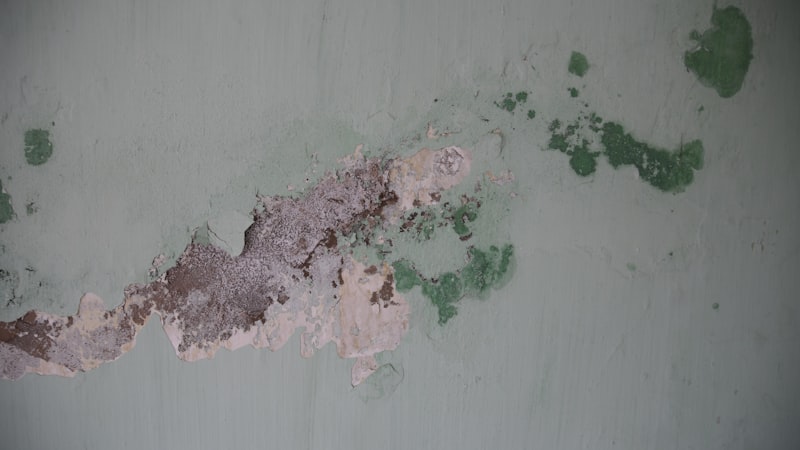
How to treat black mould on wooden frames, skirting and furniture, when to clean, when to replace, and how to stop it returning for good.
Black mould in the bedroom is usually caused by overnight condensation on cold surfaces, and recurring growth signals a moisture problem needing a proper survey.
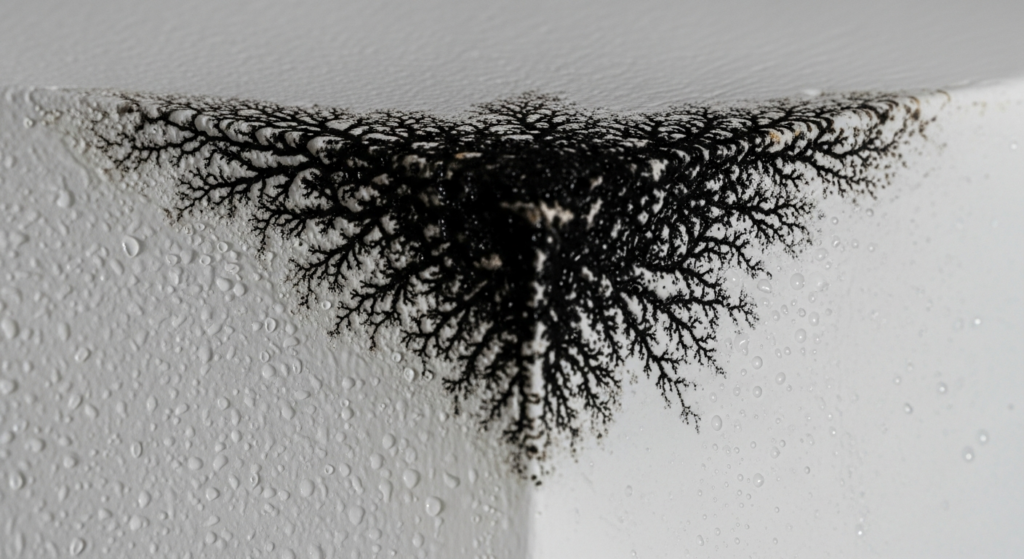
Black mould in the house is serious: here is what causes it, the health risks, how to remove it safely and when to call a professional.
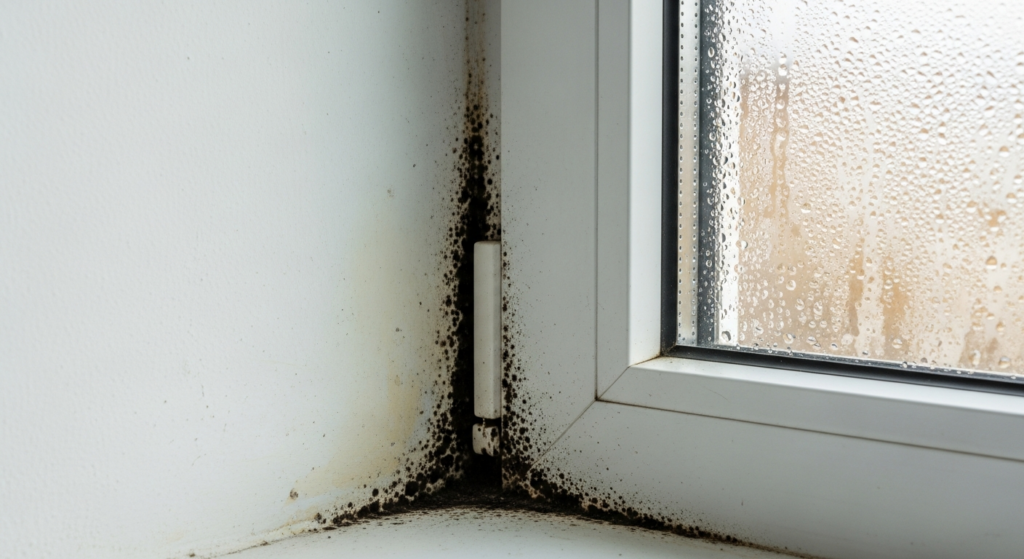
Black mould around windows is almost always condensation, not a leak. Here is what causes it and how to stop it returning for good.
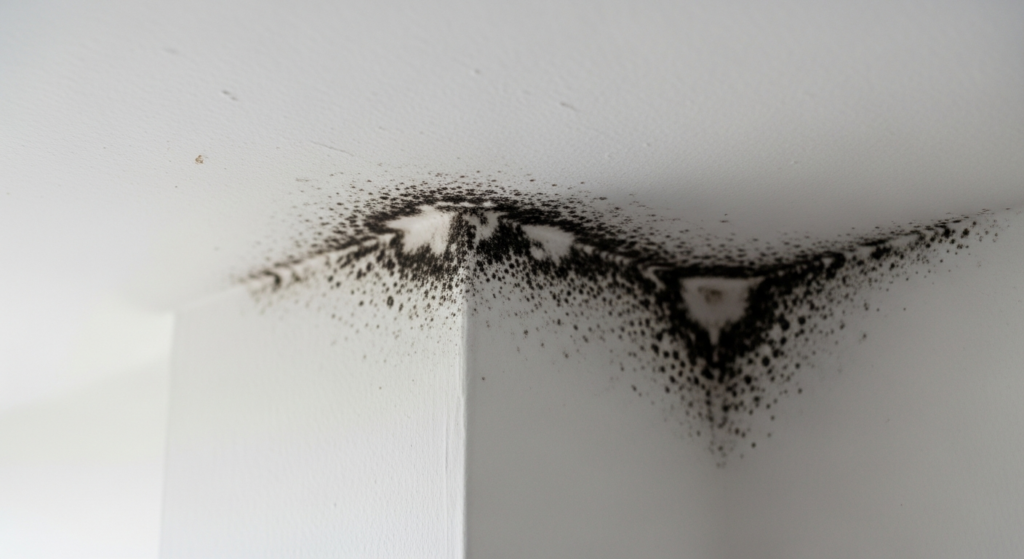
Black mould on ceilings is a moisture problem caused by condensation or leaks, and lasting removal means fixing the source before you clean.
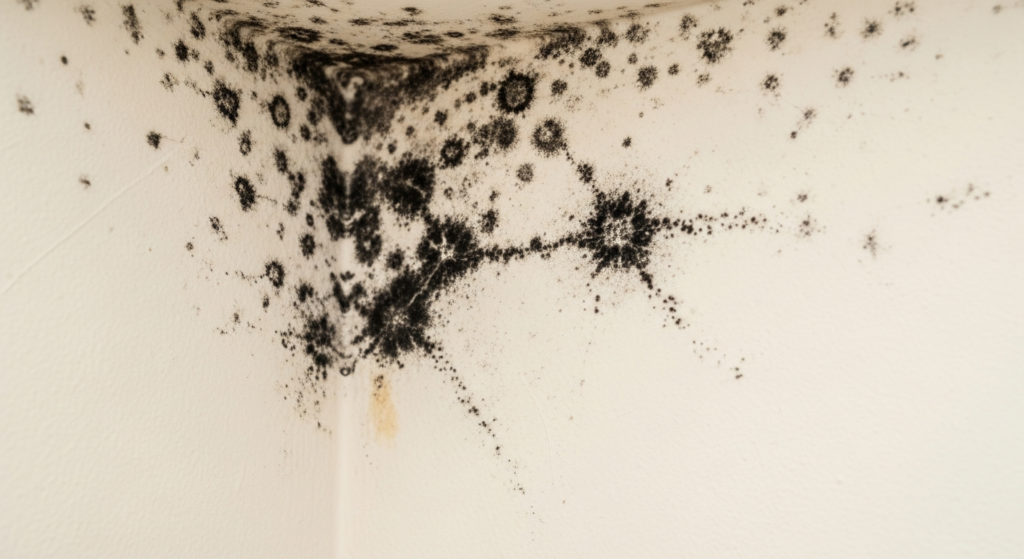
Black spots on walls are almost always mould caused by excess moisture and condensation, and stopping them means fixing the source, not just cleaning.
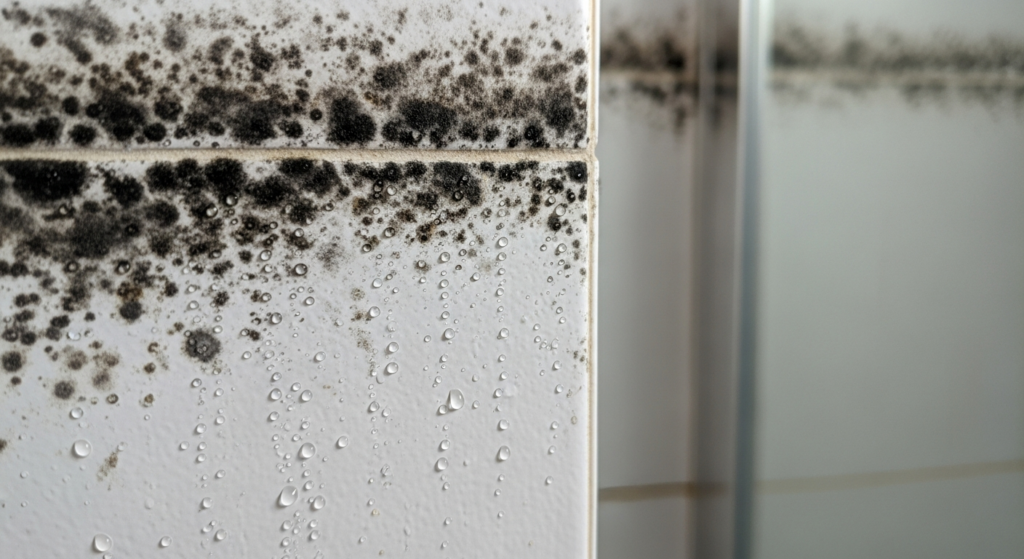
Surface cleaning never fixes bathroom mould because it ignores the moisture source and spores rooted in grout and plaster, so growth keeps returning.
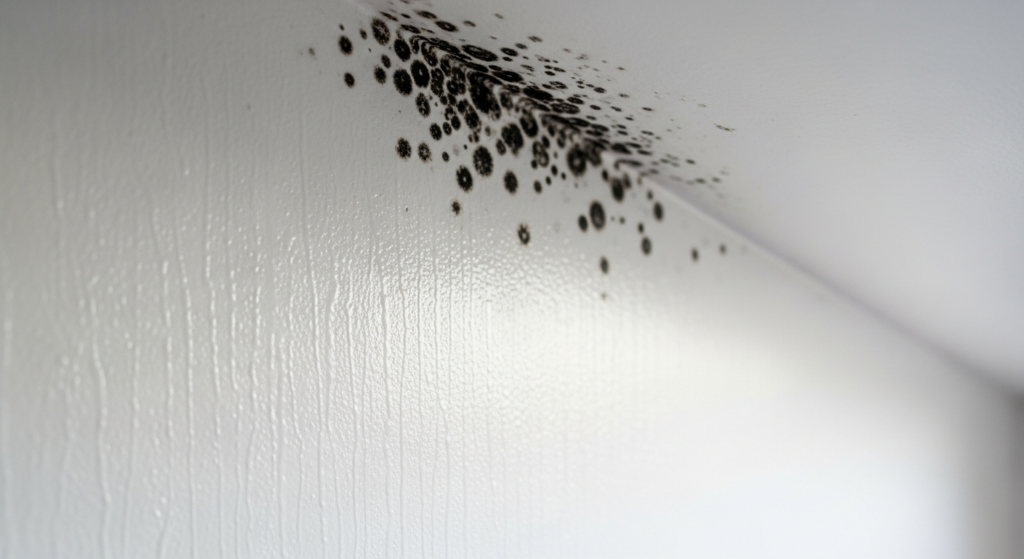
Mould keeps returning after cleaning because the moisture source remains. Here is why it happens and how to fix it for good.
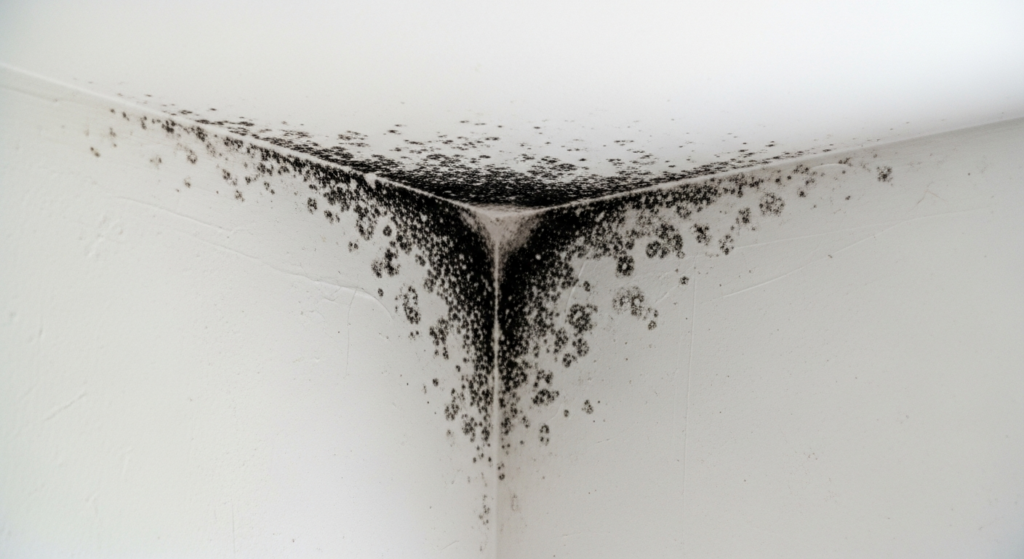
Black mould on a bathroom ceiling is caused by condensation. Learn why it forms, how to remove it safely, and how to stop it returning.
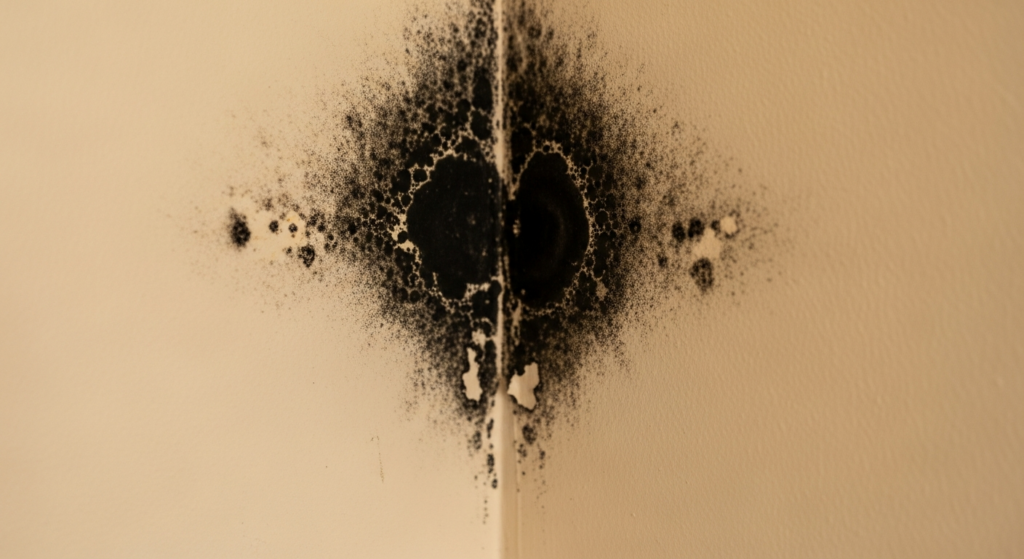
Learn how to get rid of black mould on walls for good by fixing the moisture source, plus survey and remediation costs across the UK.
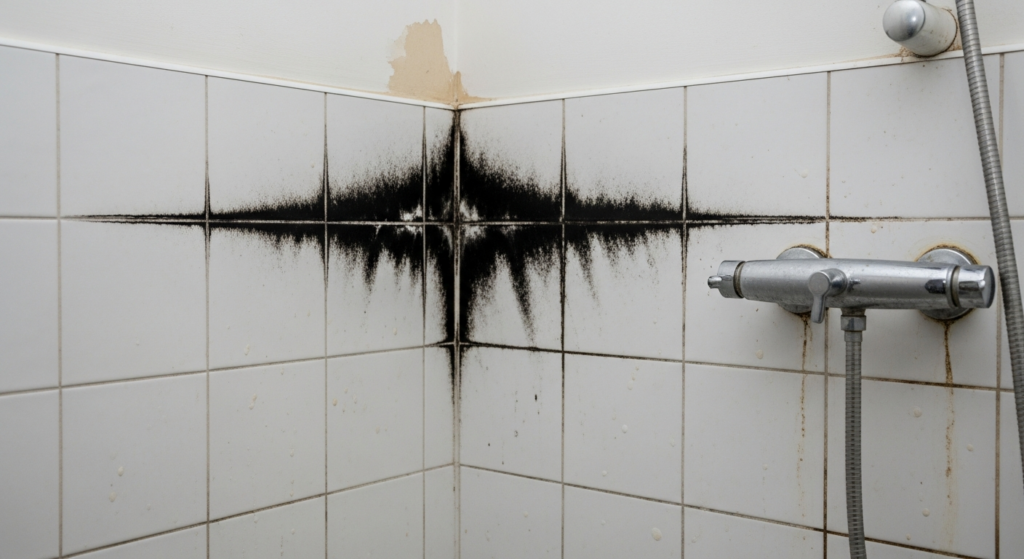
Black mould in showers comes from condensation and hidden leaks feeding spores in grout and silicone. Here is why it appears and how to stop it returning.
Dealing with this in your home?
Send us a photo on WhatsApp or give us a call and we will point you in the right direction.