

What Causes Black Mould on Walls?
Black mould on walls is caused by excess moisture, poor ventilation and cold surfaces where condensation forms and feeds mould spores.
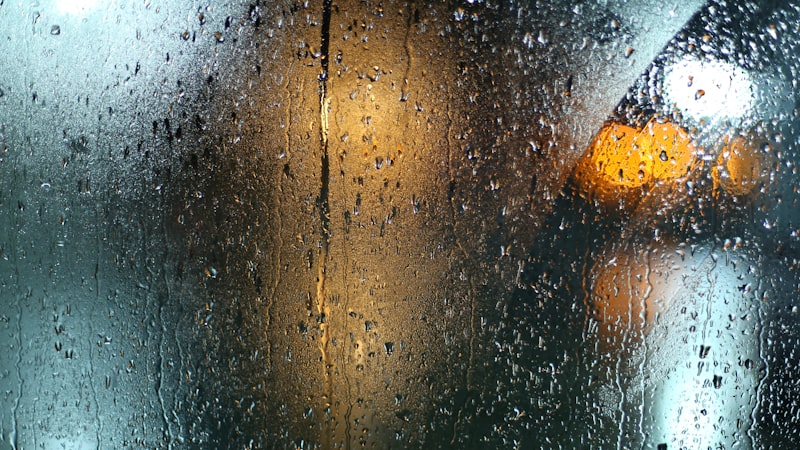
What actually causes black mould on walls?
Black mould on walls is almost always the result of persistent moisture meeting a cold surface, giving spores the water they need to grow. Mould is present in the air as microscopic spores at all times. It only becomes visible when it finds a damp, cool spot to colonise, which is why bathrooms, bedrooms and north-facing walls suffer most.
The moisture usually comes from one of three sources: condensation from everyday living (cooking, showering, drying clothes indoors), a defect letting water in from outside (leaking gutters, cracked render, roof faults), or rising damp travelling up from the ground through walls. Correctly identifying which source is at work is the difference between a lasting fix and mould that returns.
What are the signs of a black mould problem?
The clearest sign is a spreading black or dark green speckled growth, often starting in corners, behind furniture or around windows. Beyond the obvious patches, look for these indicators:
- A persistent musty, earthy smell that lingers even after cleaning
- Condensation running down windows or pooling on sills in the morning
- Peeling paint or wallpaper lifting at the edges
- Dark spots reappearing days after you wipe them away
- Cold, damp-feeling walls, especially on outward-facing elevations
- Fabrics, leather or stored items developing mould in cupboards
Is black mould on walls dangerous to health?
Yes, prolonged exposure to black mould can affect health, particularly for people with asthma, allergies, weakened immune systems, the very young and the elderly. Mould releases spores and, in some cases, irritants that can trigger coughing, wheezing, a blocked or runny nose, sore eyes and skin irritation. For those with respiratory conditions, the effects can be more serious.
Not sure what you're dealing with?
Send us a photo on WhatsApp. We'll tell you what it is, no charge, no obligation.
This is why black mould should never be treated as a purely cosmetic issue. Painting over it or wiping it with a household spray does nothing to remove the cause, and the growth typically returns. A proper diagnosis followed by professional mould remediation addresses both the visible mould and the moisture driving it.
How do you get rid of black mould on walls for good?
You get rid of black mould permanently by removing the moisture source, not just the visible growth. The process follows a clear order:
- Diagnose the true cause with a professional survey that distinguishes condensation, penetrating damp and rising damp.
- Fix the moisture source, whether that means repairing a leak, improving ventilation or addressing a building defect.
- Safely remove the mould and treat affected surfaces so spores are not spread through the property.
- Reinstate finishes such as plaster and paint once the area is dry and stable.
- Monitor conditions to confirm humidity is controlled and the mould does not return.
A structured mould inspection is the foundation of this. Without knowing exactly where the water is coming from, any treatment is guesswork.
What does a Damp, Mould and Water Damage Assessment cost, and what do I get?
We confirm the price on a written quote once we understand the problem. That covers a thorough inspection of the affected areas and a full insurance-ready written report with a photographic evidence appendix, clear findings and prioritised recommendations, so you know exactly what is wrong and what to tackle first.
The cost of any remedial work that follows depends on the cause and its severity. Factors include the source of moisture, how far it has spread, the type of wall construction, the extent of replastering or ventilation improvements needed, and access to the affected areas. We set these out in plain words in your report so there are no surprises, but we never quote figures before we have seen the problem.
Can condensation alone cause black mould?
Yes, condensation alone is the single most common cause of black mould on walls in UK homes. Everyday activities release large amounts of water vapour into the air. When that warm, moist air meets cold surfaces such as external walls, window reveals and unheated rooms, it condenses into liquid water that mould feeds on.
Reducing condensation involves improving ventilation, managing humidity and keeping surfaces warmer. Simple habits help, such as using extractor fans, opening windows after showering and avoiding drying washing on radiators. Where the problem is persistent, a survey identifies whether ventilation upgrades or building improvements are needed to keep humidity under control.
Frequently Asked Questions
Can I just paint over black mould on walls?
How quickly can black mould grow back after cleaning?
Does black mould always mean rising damp?
Is a survey worth it before doing repairs?
If you've got damp, mould, or a leak, you already know it needs sorting.
The longer it sits, the worse it gets. Get in touch and we will agree a date with you. If it is urgent, say so when you call.