

Damp, Mould & Leak Advice
Practical guides for homeowners, tenants and landlords dealing with moisture problems in properties across the UK.
Ask Us a QuestionLatest articles

Damp and mould responsibility in a flat depends on the cause, splitting between landlord, tenant, freeholder, or leaseholder, with a survey settling any dispute.
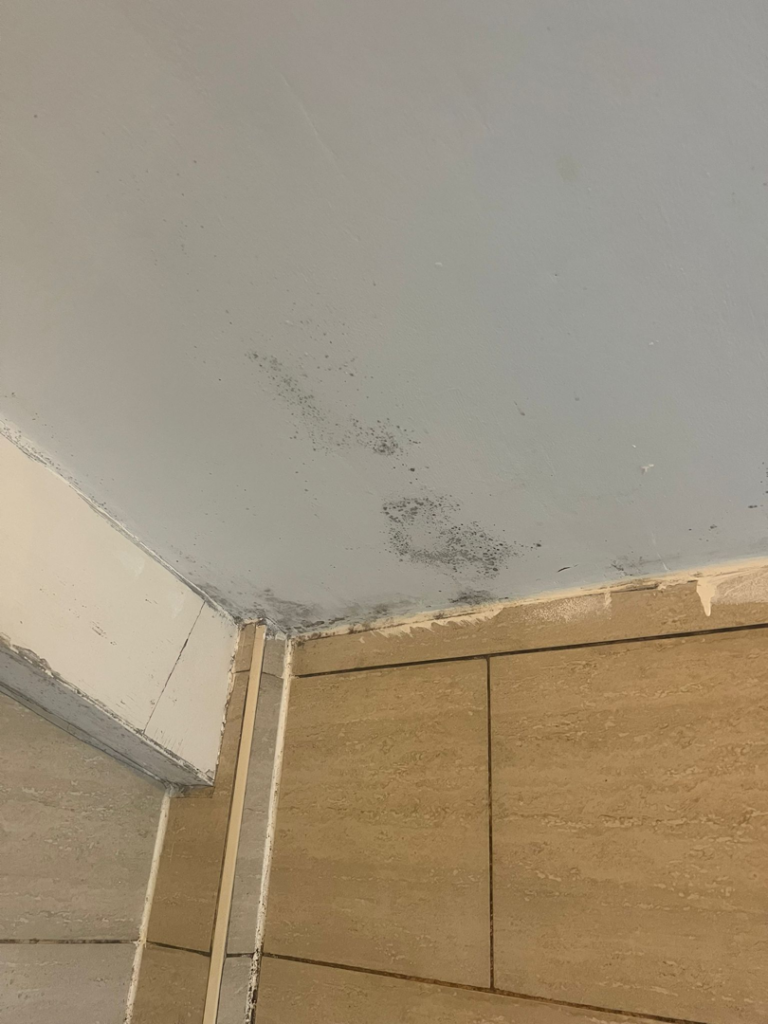
A Category 1 damp hazard is the most serious HHSRS rating, meaning damp or mould poses a serious risk to health that landlords must act on.
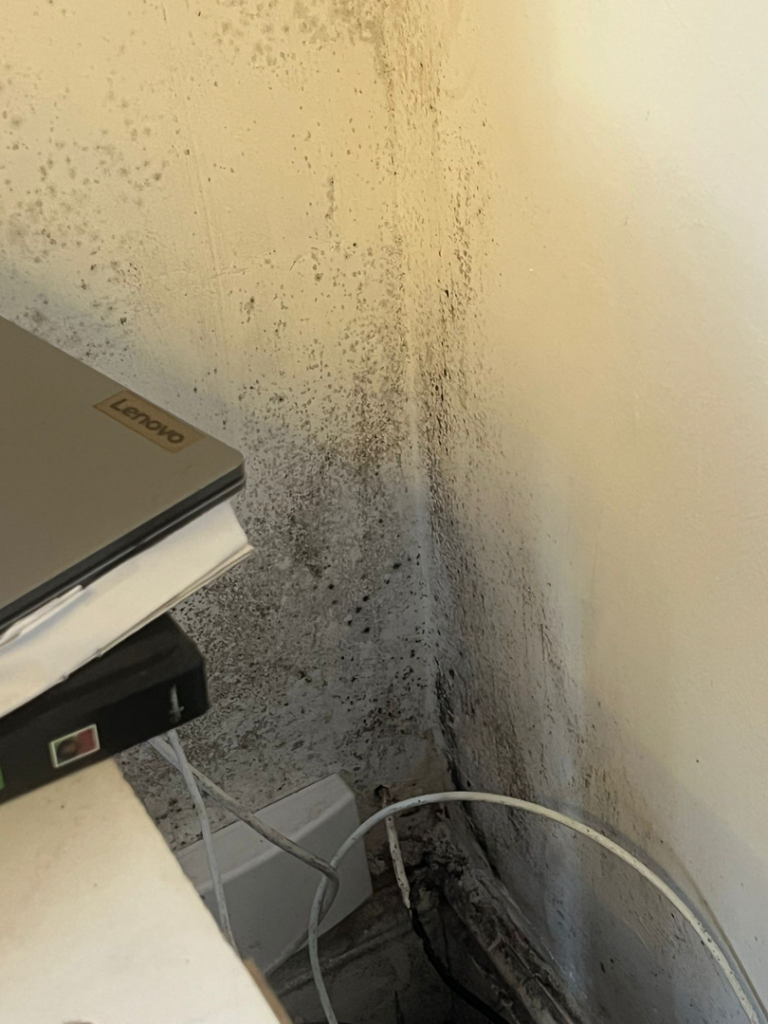
Housing Ombudsman damp and mould rulings keep punishing the same failures: blaming tenants, delaying inspections, painting over mould and poor record-keeping instead of diagnosing the cause.
Damp harms health and cuts property value; here is how to spot the signs and diagnose the cause before it costs you more.
What damp and mould evidence a landlord needs before a disrepair claim lands, and why proving the cause matters more than the symptom.
Tenants cannot legally withhold rent for damp and mould in England, but there are proper routes to force repairs and protect your position.
Landlords must pay for mould removal in almost all cases where the cause is a leak, damp or poor ventilation, and here is how the law and the evidence decide it.
A damp surveyor, not a builder, should diagnose your damp, because a surveyor finds the cause with evidence rather than pointing towards work they can sell.
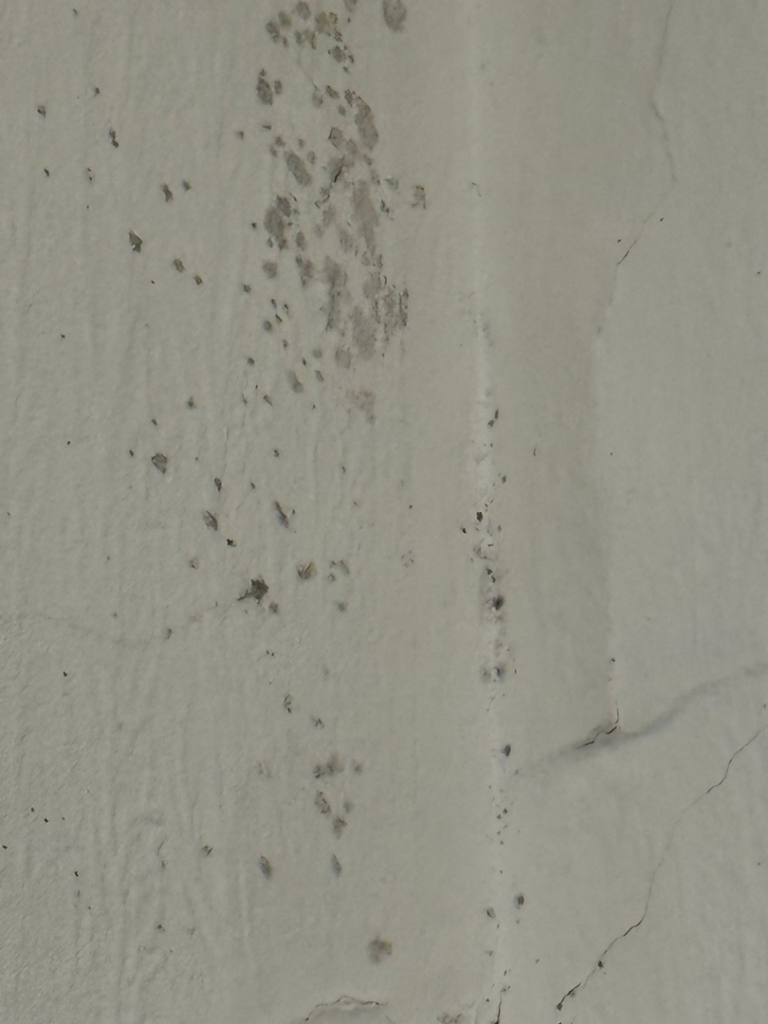
Landlords can face civil penalties of up to £30,000 per offence and unlimited court fines for damp and mould, plus rent repayment orders and compensation.
A damp wall rarely dries by itself while a source persists; fix the cause first, then expect weeks to months of drying depending on the wall.
The common causes of damp in Hammersmith and Fulham townhouses, how to tell them apart, and what a Damp, Mould and Water Damage Assessment diagnoses.
Damp around a window or door frame is usually condensation, a failed seal letting rain in, or a hidden leak, and the timing tells you which.
Got a damp or mould problem right now?
Send us a photo on WhatsApp or give us a call, and we will agree a date with you. If it is urgent, say so when you call.