

Damp Problems
Rising damp, penetrating damp and condensation in UK homes explained: the signs, the causes, and how each is treated.
Damp, Mould and Water Damage Assessment
Damp harms health and cuts property value; here is how to spot the signs and diagnose the cause before it costs you more.

A damp surveyor, not a builder, should diagnose your damp, because a surveyor finds the cause with evidence rather than pointing towards work they can sell.
The common causes of damp in Hammersmith and Fulham townhouses, how to tell them apart, and what a Damp, Mould and Water Damage Assessment diagnoses.
Damp proofing works when it targets the real cause; here is how to tell which type of damp you have and why treatments sometimes fail.

Damp through walls comes from penetrating damp, rising damp or condensation. Learn how to identify the source and stop it for good.
Condensation on walls comes from warm indoor air meeting cold surfaces; learn the causes, how to tell it apart from other damp and how to fix it for good.
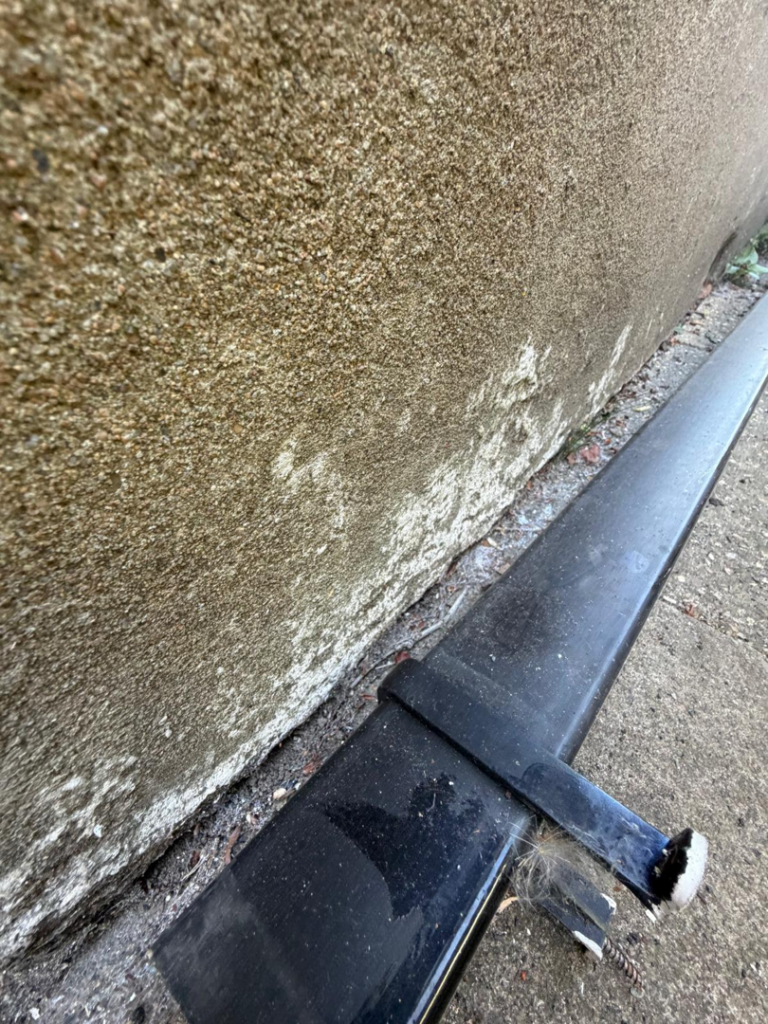
Basement damp comes from groundwater, rising damp or condensation, and each needs a different fix. Learn the signs, how to tell them apart and when to call a specialist.
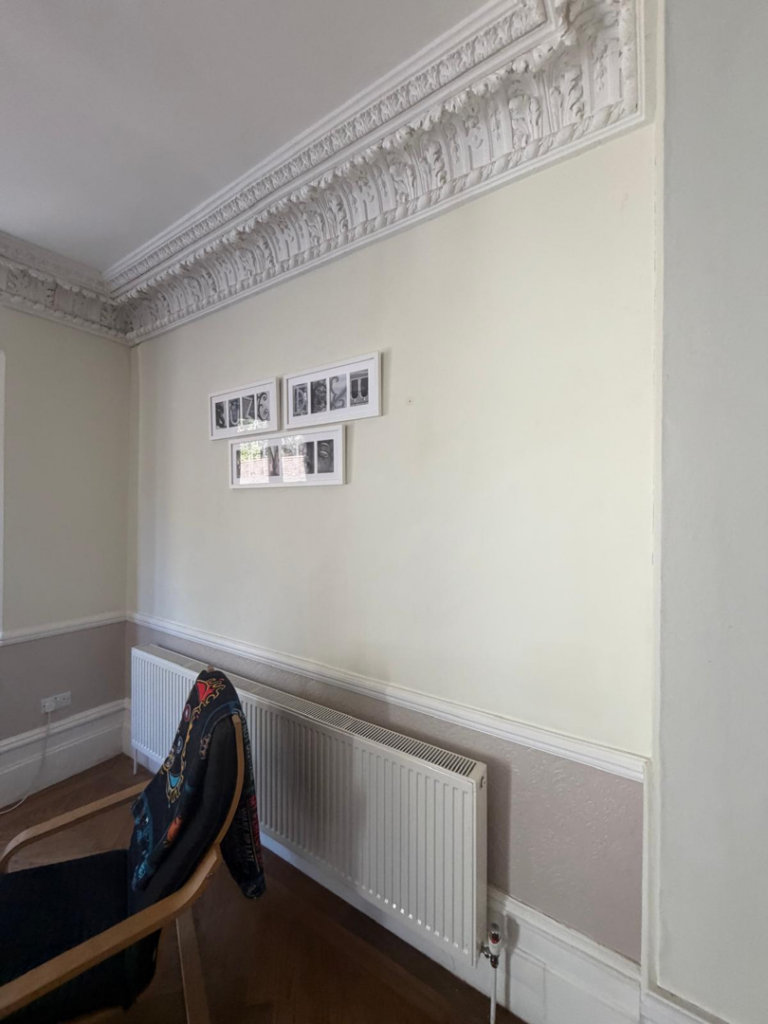
Interstitial condensation forms hidden inside walls, roofs and floors of modern airtight homes, quietly damaging insulation and timber before any sign shows on the surface.
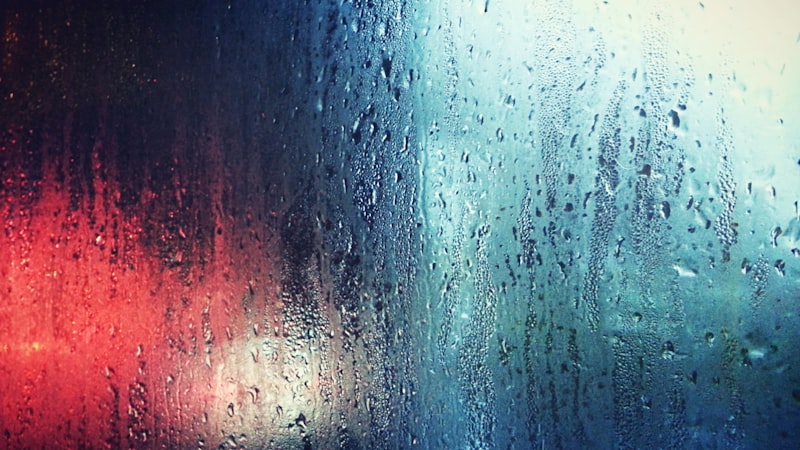
Stop condensation by extracting moisture at source, ventilating rooms daily, heating steadily and cutting indoor moisture, with airflow that removes humid air faster than it builds.
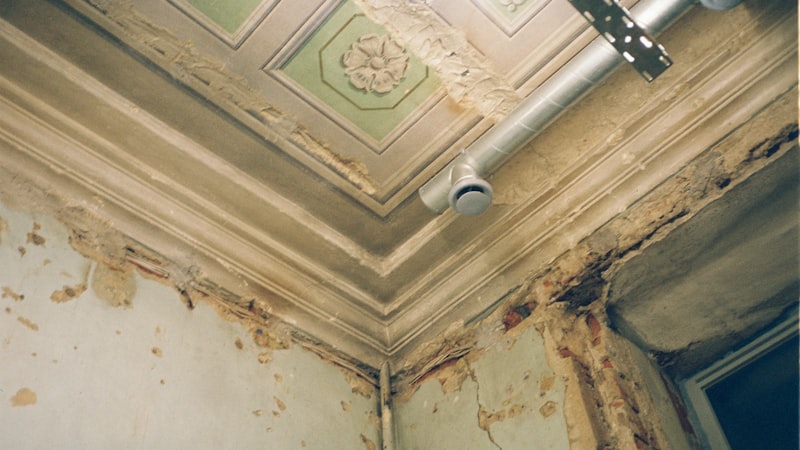
Why Wandsworth terraces trap damp, how to tell rising from penetrating from condensation, and what a Damp, Mould and Water Damage Assessment reveals about the real cause.
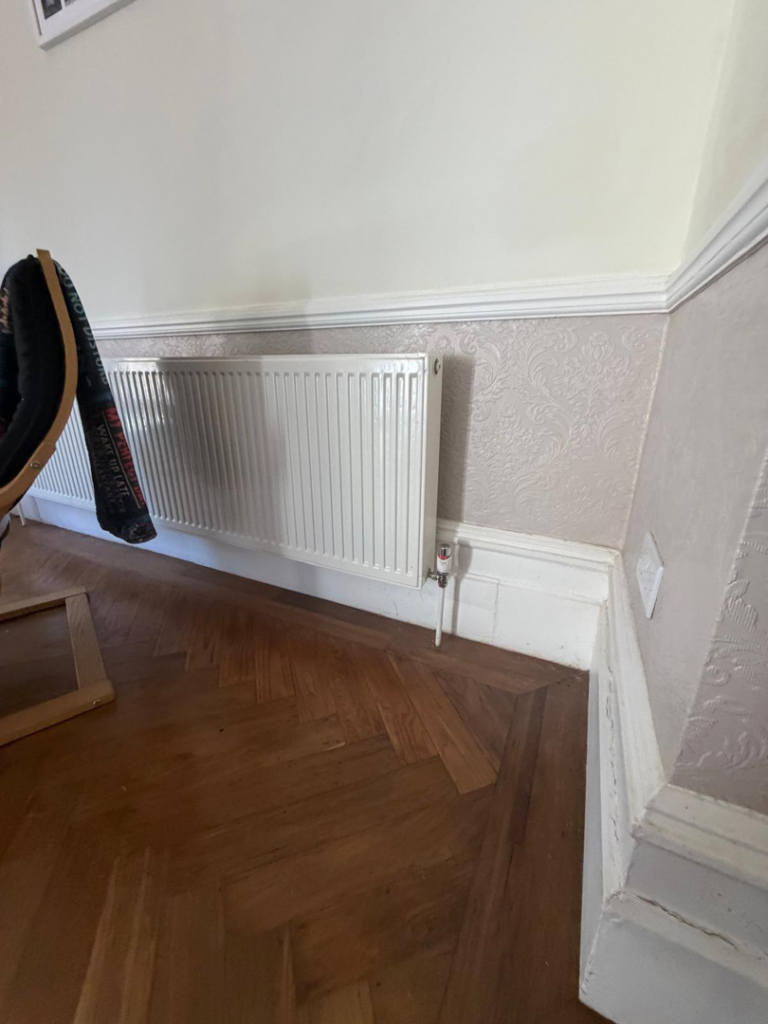
An autumn damp check in September or October catches early signs of moisture before winter turns small problems into serious damp and mould.
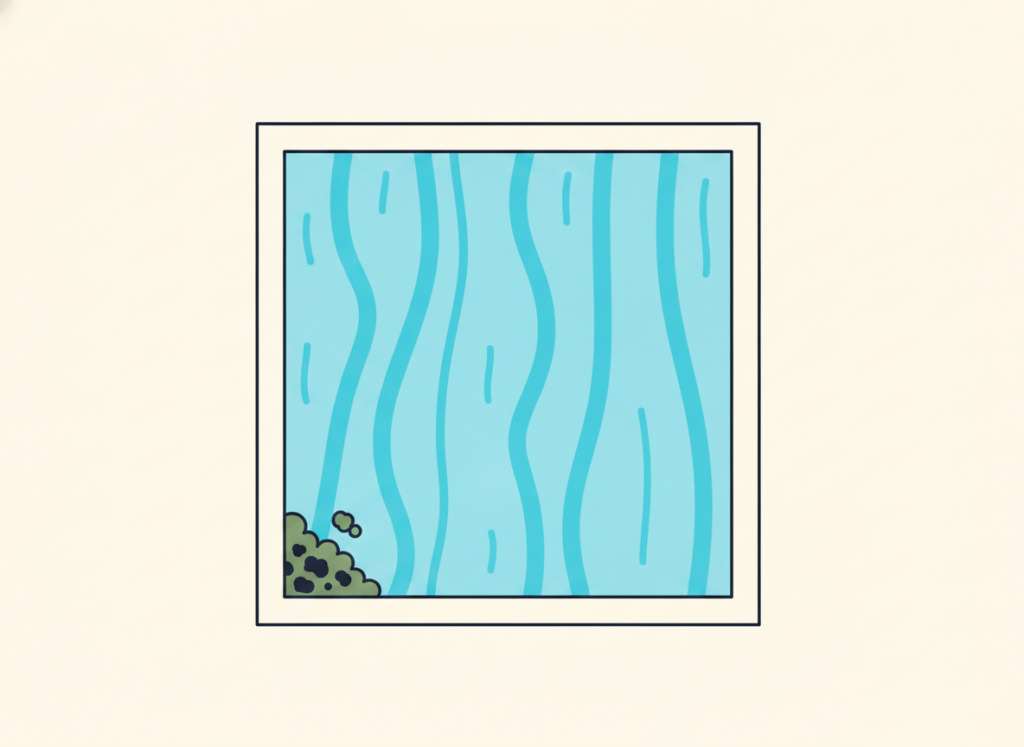
Rising damp is groundwater rising through a wall by capillary action, but it is often misdiagnosed, so learn the signs, checks and correct treatment.
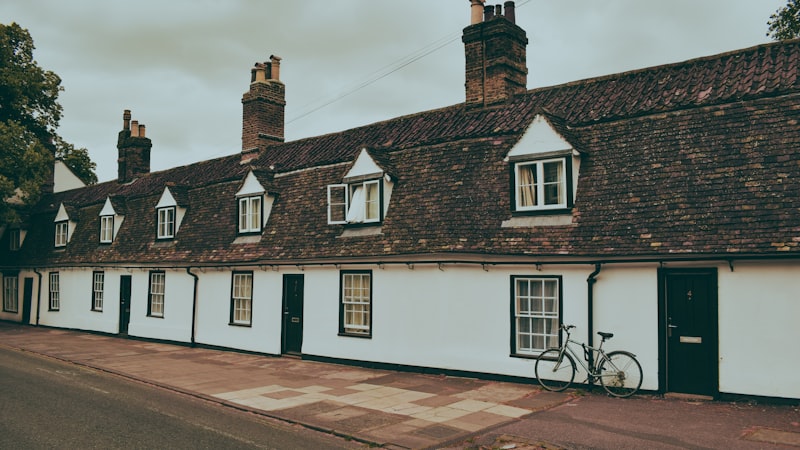
Wet walls inside your house point to a leak, penetrating damp, rising damp, or condensation, and pinpointing the true cause prevents wasted repairs.
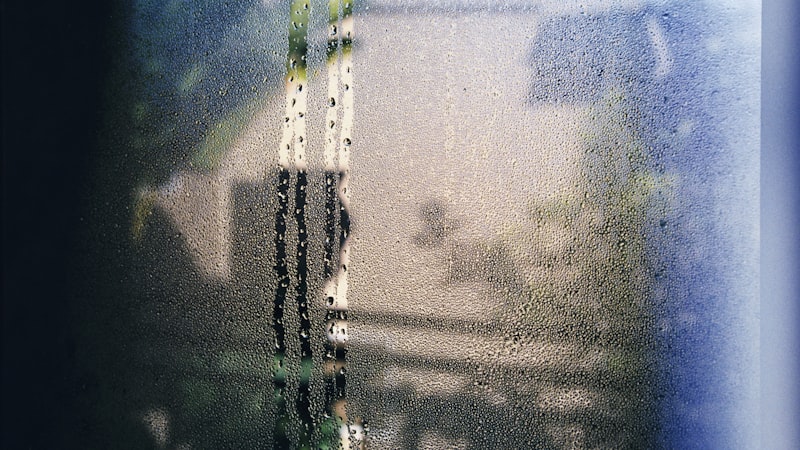
Condensation is the cause, damp is the moisture, and mould is the growth that follows: here is how to tell them apart and fix them.
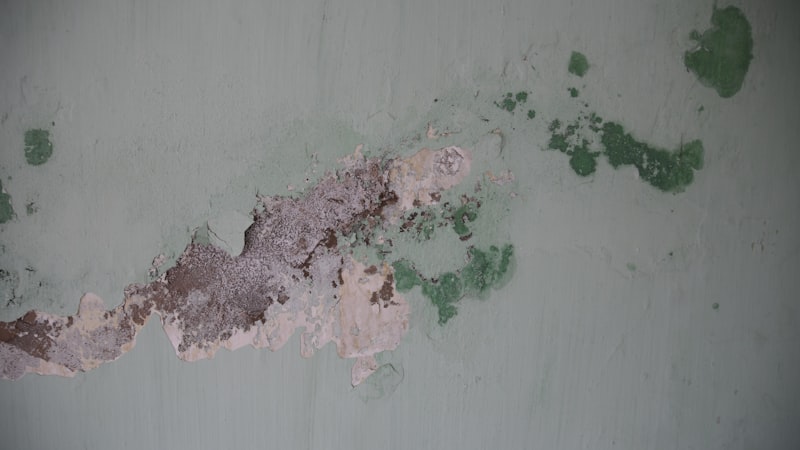
Riverside Greenwich homes struggle with damp due to Thames groundwater, tidal moisture and older solid-wall construction, and a Damp, Mould and Water Damage Assessment pinpoints the cause.

Penetrating damp is water entering horizontally through walls, roofs or windows via structural defects, and lasting repair depends on fixing the source, not the surface.

How damp and mould affect Islington's Georgian townhouses and flat conversions, common causes, and what a Damp, Mould and Water Damage Assessment diagnoses.
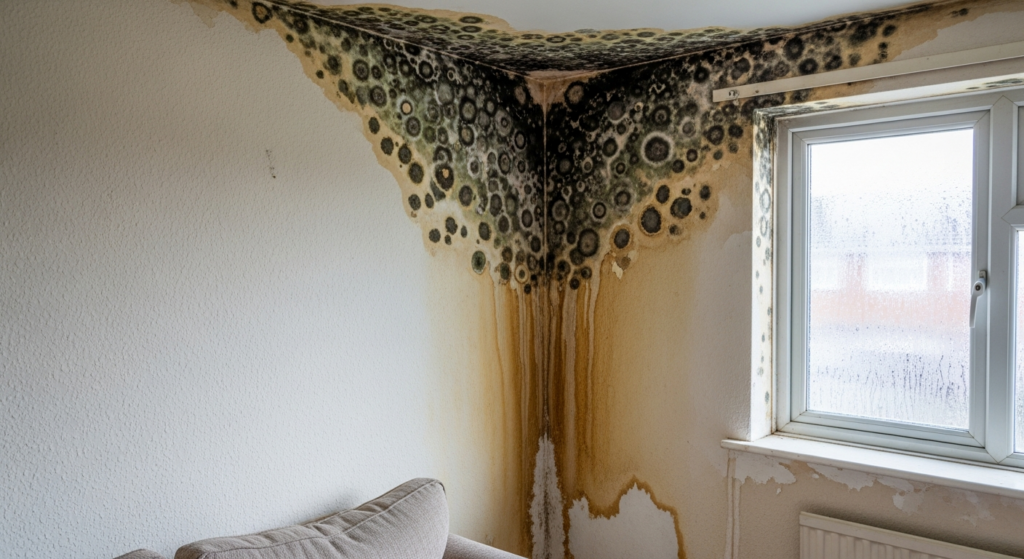
A Damp, Mould and Water Damage Assessment diagnoses the type, source and extent of damp and mould, with a full insurance-ready report from Damp & Mould Solutions UK.

Damp in Lewisham's Victorian and Edwardian terraces usually comes from failed damp-proof courses, blocked ventilation, or condensation, and a survey pinpoints the real cause.

Why Lambeth's Victorian terraces and estates suffer damp and mould, how to spot the cause, and what a Damp, Mould and Water Damage Assessment covers.

Damp and mould are common in Southwark's Georgian and Victorian housing because of solid walls and non-breathable repairs that trap moisture.
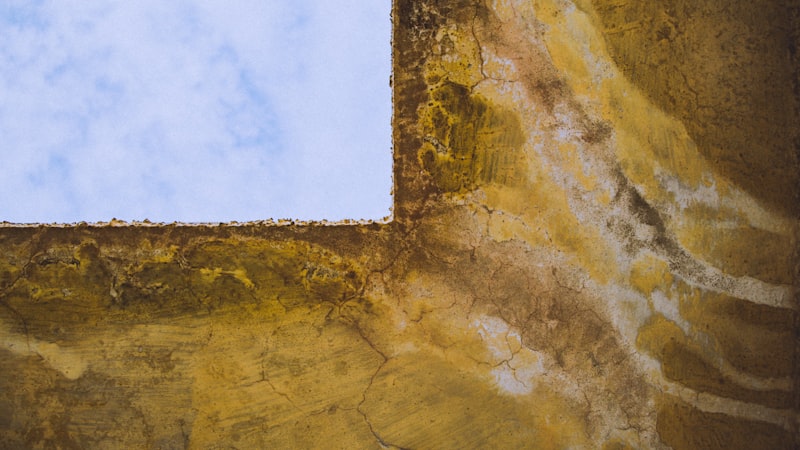
Damp and mould are common in Tower Hamlets warehouses and Victorian homes, and a Damp, Mould and Water Damage Assessment diagnoses the true cause.

Why Camden's period conversions and mansion flats get damp, how to tell condensation from leaks, and what the a Damp, Mould and Water Damage Assessment reveals.
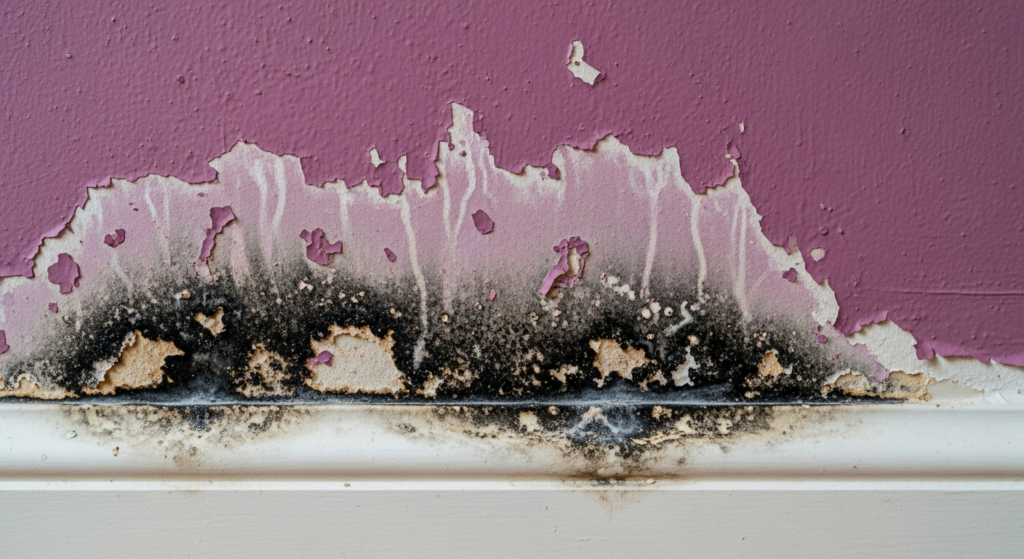
Damp and mould in Hackney's period terraces is usually misdiagnosed; a Damp, Mould and Water Damage Assessment pinpoints the real cause and protects you from wasted remedial work.
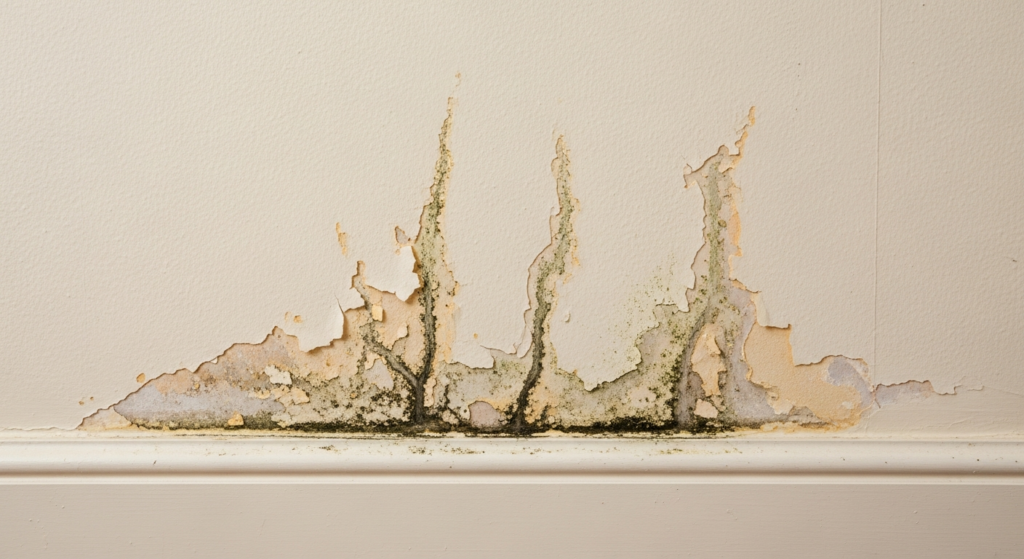
Damp in walls comes from rising damp, penetrating damp or condensation, and correct diagnosis decides the right fix.
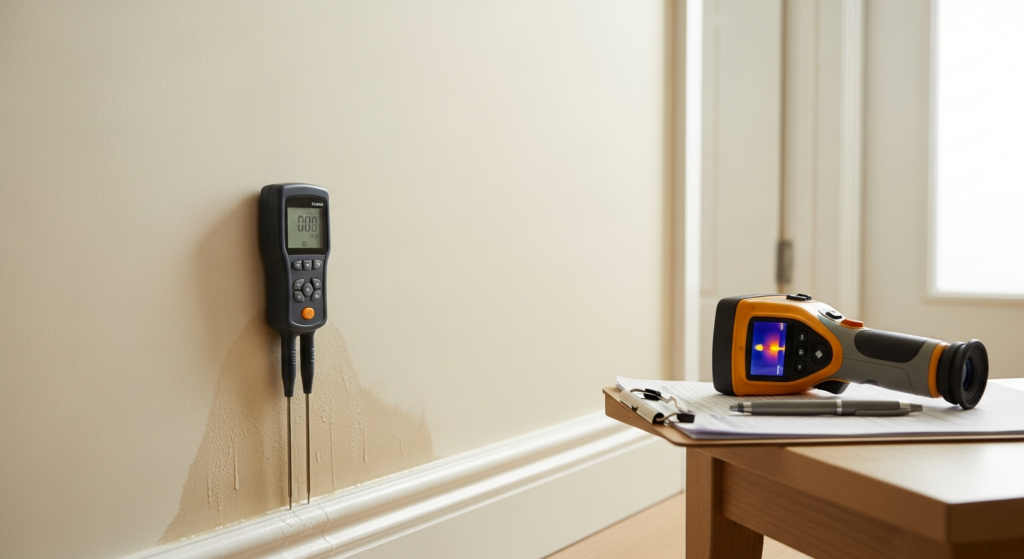
A damp survey diagnoses the type, source and extent of damp or mould in a property and sets out the correct fix in a written report.
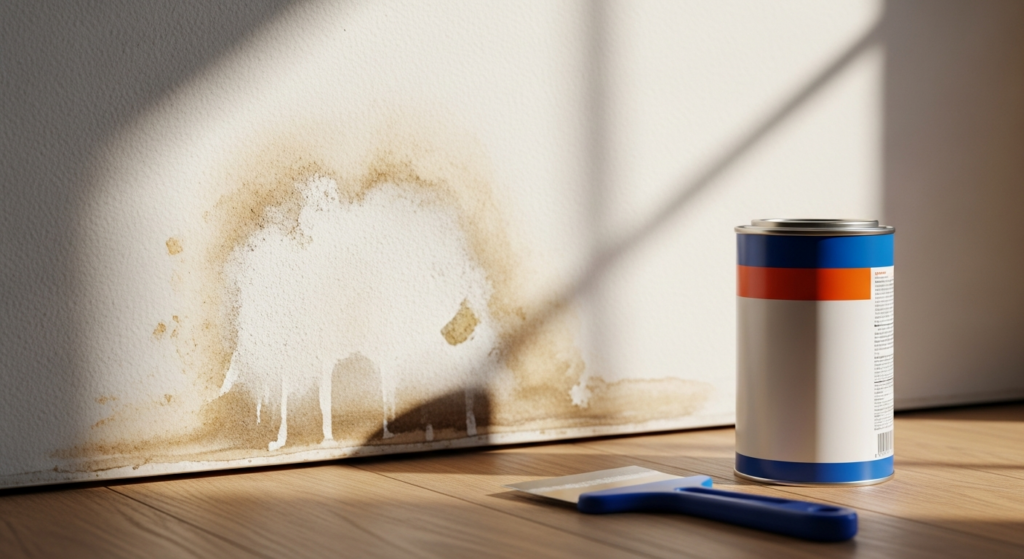
Treating damp walls before decorating means fixing the moisture source, drying the wall fully, then preparing the surface so your decoration lasts.
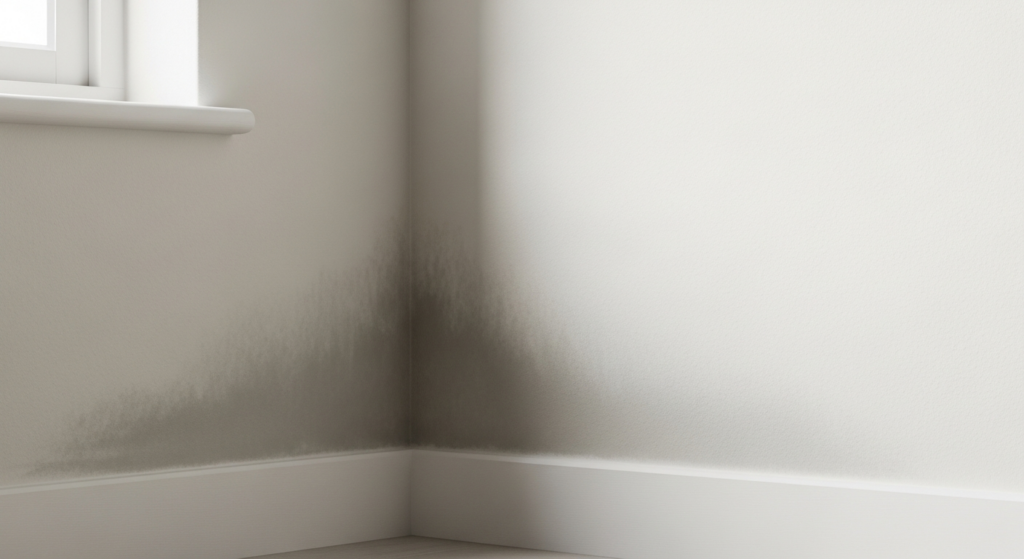
A pre-purchase damp survey identifies the true cause of moisture before you exchange, protecting you from inheriting expensive, recurring problems after completion.
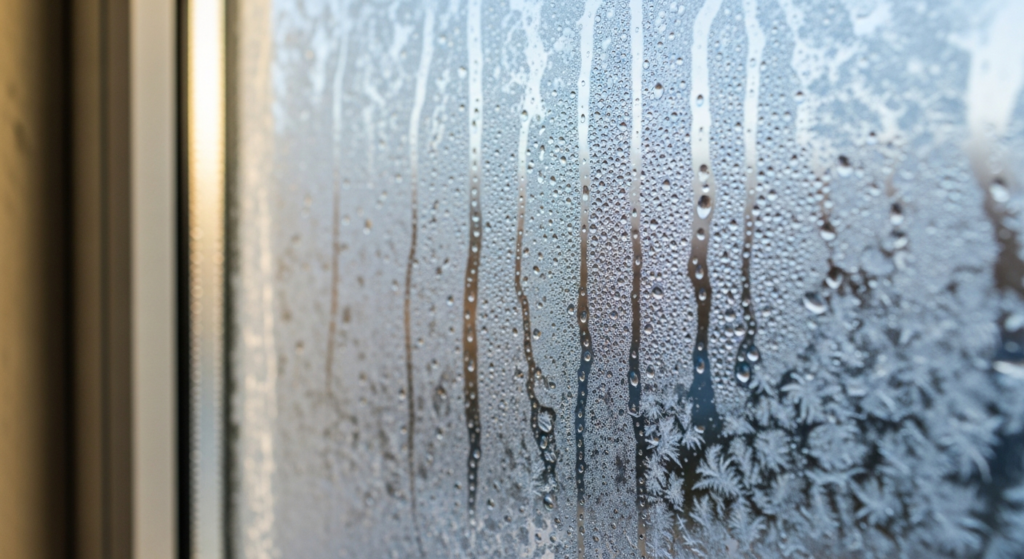
Stop window condensation in winter by lowering indoor humidity, improving ventilation, and keeping steady heat to prevent black mould forming on frames.

Rising damp shows as a horizontal tide mark, salt deposits, soft skirting and a musty smell, and ignoring it turns a simple fix into costly repairs.
Dealing with this in your home?
Send us a photo on WhatsApp or give us a call and we will point you in the right direction.