

Damp in a Basement or Cellar: Why It Happens and What to Do
Basement damp comes from groundwater, rising damp or condensation, and each needs a different fix. Learn the signs, how to tell them apart and when to call a specialist.
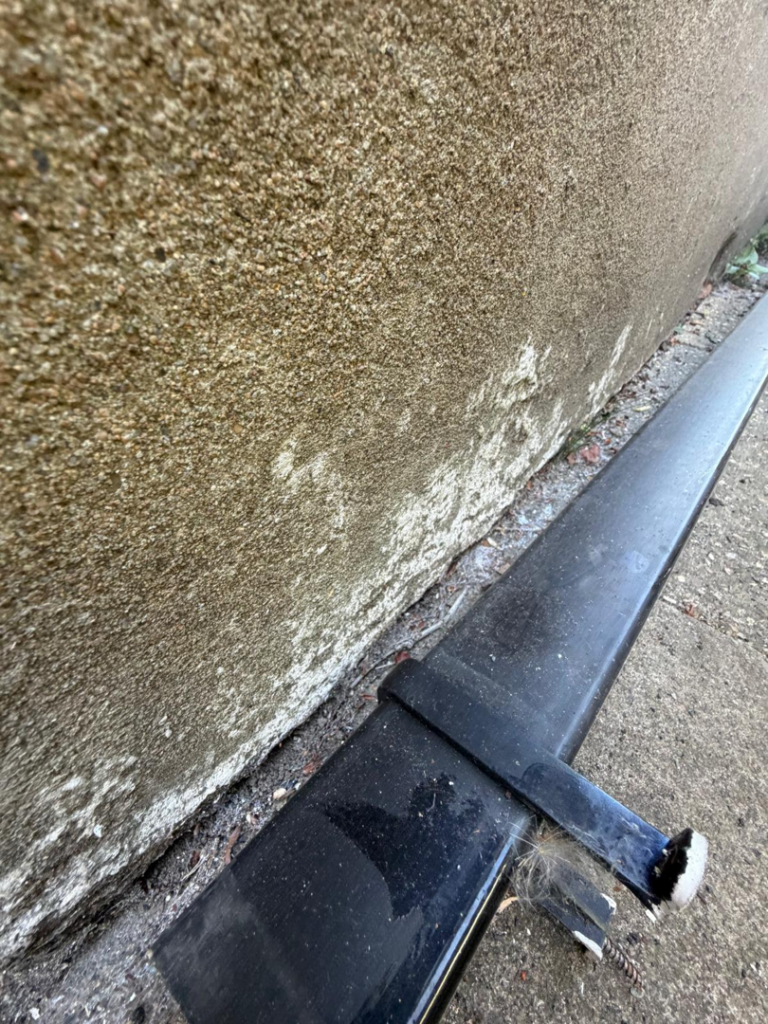
Why does my basement get damp?
Basements get damp because they sit below ground, surrounded by soil that holds water and pushes it against the walls and floor. There are three common causes, and they behave differently. Penetrating and hydrostatic damp happen when groundwater forces its way through cracks, porous masonry or gaps in the waterproofing, and this pressure rises after rain or when the water table is high. Rising damp is groundwater drawn upward through the masonry by capillary action, usually where a damp-proof course is absent, failed or bridged. Condensation is different again: warm, moist air from the rest of the house drifts down into a cool basement and settles on cold surfaces as water, which then feeds mould.
Older London basements are especially prone because many were never designed as living space and have no modern waterproofing at all. A single basement can suffer from more than one cause at once, which is why the source has to be identified rather than assumed.
What are the signs of basement damp?
The signs of basement damp range from visible water to a persistent musty smell, and the pattern often points to the cause.
- Wet patches or a tide mark low down on the walls, often worse after heavy rain.
- Water pooling on the floor or seeping through the floor-to-wall joint.
- White, powdery salt deposits (efflorescence) on brick or plaster.
- Blistering or crumbling plaster and flaking paint.
- Black mould on cold walls, corners and behind stored items.
- A damp, earthy or musty smell that lingers even after ventilation.
- Rusting on metal fixings or condensation beading on cold pipes and walls.
How do I tell which type of damp I have?
You can narrow down the type of damp with a few simple checks before calling anyone.
- Track the timing. Note whether the damp worsens after rain (points to penetrating or hydrostatic) or in cold, still weather (points to condensation).
- Check the height. Damp confined to the lowest part of the walls suggests rising or hydrostatic damp, while patches on cold upper walls suggest condensation.
- Tape test a wall. Fix a piece of foil or plastic sheet tightly over a dry-looking patch for 48 hours. Moisture on the room side means condensation; moisture behind the sheet means water coming through the wall.
- Look for salts. Efflorescence and tide marks point to water moving through the masonry rather than condensing on it.
- Assess ventilation. A basement with no airflow and warm air drifting in from above is a strong candidate for condensation.
These checks give you a working theory, but they cannot confirm a source or rule out a hidden leak. A proper Damp, Mould and Water Damage Assessment uses instruments to measure what is really happening inside the structure.
Not sure what you're dealing with?
Send us a photo on WhatsApp. We'll tell you what it is, no charge, no obligation.
What does basement damp mean for my home?
Basement damp means moisture is being held in the structure, and left unchecked it damages both the building and the air you breathe. Persistent damp rots timber, corrodes fixings, breaks down plaster and can undermine the finishes on any converted or habitable basement. It also creates the cold, moist conditions mould needs, and mould spores affect indoor air quality throughout the house because air rises from below.
The financial cost grows the longer it is left. Water that has soaked into masonry and screed needs to be dried properly before any repair holds, which is where controlled structural drying comes in. Treating a symptom, such as replastering over damp brick, without removing the source simply pushes the problem a few months down the line.
When should I call in a specialist?
Call in a specialist as soon as the damp returns after cleaning, spreads, or you cannot confidently identify the source yourself. A basement often hides more than one cause, and guessing leads to expensive, wasted work. Our approach is to diagnose first. We carry out full moisture mapping across the whole affected area, so we can see the true extent of the moisture rather than just the visible patches. We use thermal imaging and non-destructive, non-invasive leak detection, including acoustic and tracer methods, to trace any leak to its source before anything is opened up. Only once the root cause is established do we set out what remedial work is genuinely needed.
We are the firm that tells you what is wrong and why, not one that sells you a fixed package of remedial work you may not need. We confirm the price on a written quote once we understand the problem. Our Damp, Mould and Water Damage Assessment (what many people call a damp survey) includes full moisture mapping, root-cause diagnosis and a written, insurance-ready report with a photographic evidence appendix, clear findings and prioritised recommendations. If a leak needs tracing to its exact source, we quote for leak detection separately.
To get an initial view, call 020 3051 8478 or send photos via WhatsApp and we will tell you what we see and what we would check next.
Frequently Asked Questions
Is basement damp always caused by groundwater?
Can I fix basement damp by replastering the walls?
How long does a Damp, Mould and Water Damage Assessment take?
What does a Damp, Mould and Water Damage Assessment cost?
If you've got damp, mould, or a leak, you already know it needs sorting.
The longer it sits, the worse it gets. Get in touch and we will agree a date with you. If it is urgent, say so when you call.