

Does Damp Proofing Actually Work?
Damp proofing works when it targets the real cause; here is how to tell which type of damp you have and why treatments sometimes fail.
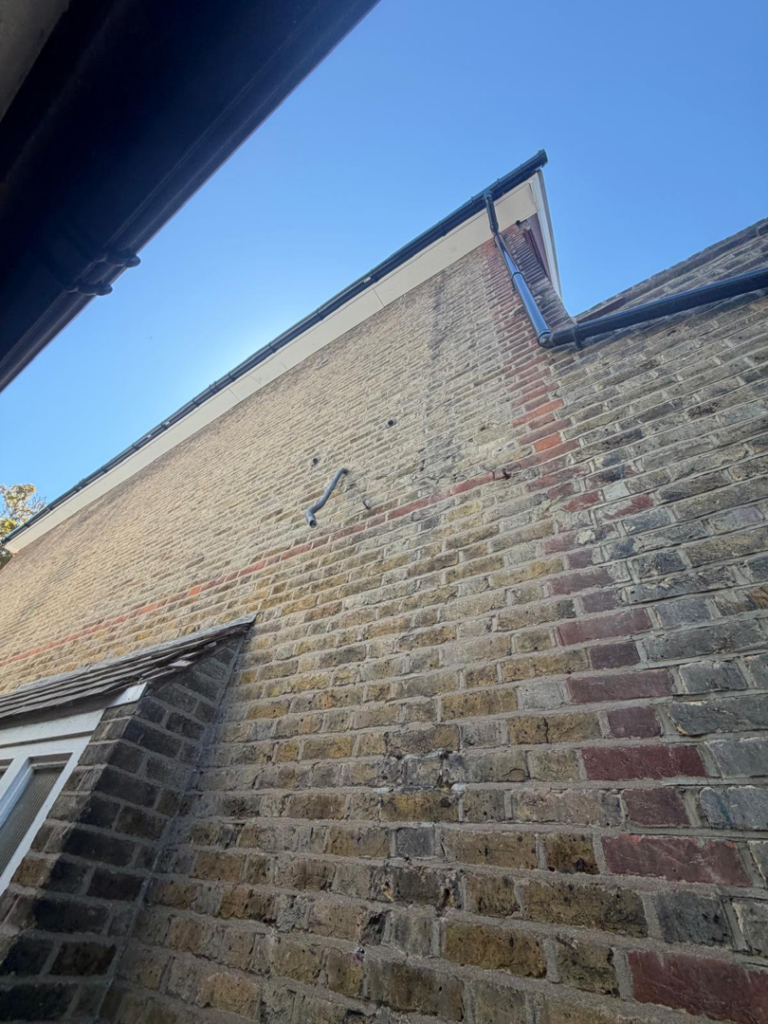
What is damp proofing and how is it meant to work?
Damp proofing is any measure that stops unwanted moisture moving through a building’s fabric. The classic example is a damp proof course (DPC), a horizontal barrier low in the wall that blocks moisture from the ground rising up through the brickwork. Other methods include tanking below-ground walls, applying waterproof render, and improving ventilation to control condensation.
Each method is designed for one specific problem. A chemical DPC injected into mortar creates a water-repellent zone to stop rising damp. Tanking holds back water pressure in a basement. None of these do anything useful if the moisture is arriving by a route they were never meant to block, which is exactly why so many treatments appear to fail.
Why does damp proofing sometimes fail?
Damp proofing fails almost always because it was applied to the wrong cause. True rising damp is far less common than the number of DPC injections carried out would suggest, so many walls are treated for a problem they never had while the real source keeps working.
Common reasons a treatment does not solve the problem:
- The damp was actually a leaking pipe, gutter or flashing, not rising moisture.
- The staining was condensation caused by poor ventilation and cold surfaces.
- External ground levels were bridging the DPC and were never lowered.
- Salts left in the old plaster kept drawing moisture from the air.
- The new render trapped moisture behind it rather than letting the wall dry.
How do I know which type of damp I actually have?
You identify the type of damp by looking at where it appears, how high it reaches, and when it gets worse. The pattern usually tells you far more than the product on the wall does.
Not sure what you're dealing with?
Send us a photo on WhatsApp. We'll tell you what it is, no charge, no obligation.
Signs that point to different causes:
- Rising damp: a tide mark up to around a metre from the floor, often with a salty, powdery band.
- Penetrating damp: a defined patch that worsens after rain, frequently near a gutter, downpipe or window.
- Condensation: black mould in corners, behind furniture and around windows, worse in winter.
- Plumbing or roof leak: a patch that stays wet in dry weather and may spread without an obvious pattern.
A quick self-check before you spend anything:
- Note whether the damp gets worse in rain (penetrating) or in cold weather (condensation).
- Measure how high the affected area reaches from floor level.
- Check outside for high ground, blocked gutters or cracked pointing at that spot.
- Look for any pipe, radiator or bathroom directly behind the wall.
- Photograph the area over a fortnight to see whether it dries, spreads or stays constant.
These checks narrow things down, but they cannot see inside a wall. That is where a proper Damp, Mould and Water Damage Assessment confirms the cause with measurement rather than guesswork.
How long does damp proofing last once it is done right?
When the correct cause has been treated, damp proofing lasts for many years and often the life of the building. A DPC installed against genuine rising damp, or a leak repaired at source, does not simply wear off. Problems only return when a new fault develops or when the original source was never the one that was treated.
After remedial work, the wall still needs time to dry. Masonry that has held moisture for a long time can take months to release it, and replastering too early can trap that moisture and mimic a failed treatment. Controlled structural drying removes that moisture properly and lets you confirm the wall is stable before finishes go back on.
When should I call in a specialist?
Call a specialist as soon as the cause is unclear or a previous treatment has not worked, because guessing again simply repeats the same mistake. The value of a proper survey is the diagnosis, not the sale of a product.
At Damp & Mould Solutions UK, every survey begins with full moisture mapping across the whole affected area, so we can see the true extent of the problem rather than one visible patch. We use thermal imaging alongside non-destructive, non-invasive leak detection, including acoustic and tracer methods, to trace a source before anything is opened up. Only once the root cause is confirmed do we agree any remedial work. We diagnose the cause; we are not a firm that sells treatments and hopes they stick.
We confirm the price on a written quote once we understand the problem. Our Damp, Mould and Water Damage Assessment (what many people call a damp survey) includes full moisture mapping, root-cause diagnosis and a written, insurance-ready report with a photographic evidence appendix, clear findings and prioritised recommendations. If a leak needs tracing to its exact source, we quote for leak detection separately.
To get an initial view, call 020 3051 8478 or send photos via WhatsApp and we will tell you what we are seeing before you commit to anything.
Frequently Asked Questions
Is a chemical damp proof course a waste of money?
Why did my damp come back after treatment?
How soon should a wall dry out after the cause is fixed?
Do I need a survey before any damp proofing work?
If you've got damp, mould, or a leak, you already know it needs sorting.
The longer it sits, the worse it gets. Get in touch and we will agree a date with you. If it is urgent, say so when you call.