

Structural Drying
Drying a property out properly after a leak or flood: realistic timescales, the equipment used, and why it matters before repairs.
Structural drying
A damp wall rarely dries by itself while a source persists; fix the cause first, then expect weeks to months of drying depending on the wall.
Drying a property to a verified moisture baseline before repairs prevents failed plaster, recurring damp and paying twice for the same work.
A house is confirmed dry by moisture readings that fall to a defined band and hold there, not by how it looks or feels to the touch.
A domestic dehumidifier can help a small, shallow water incident, but a genuinely flooded room usually needs commercial equipment and airflow.
How professionals measure moisture when drying a property, the tools they use, and how they confirm a building is genuinely dry.
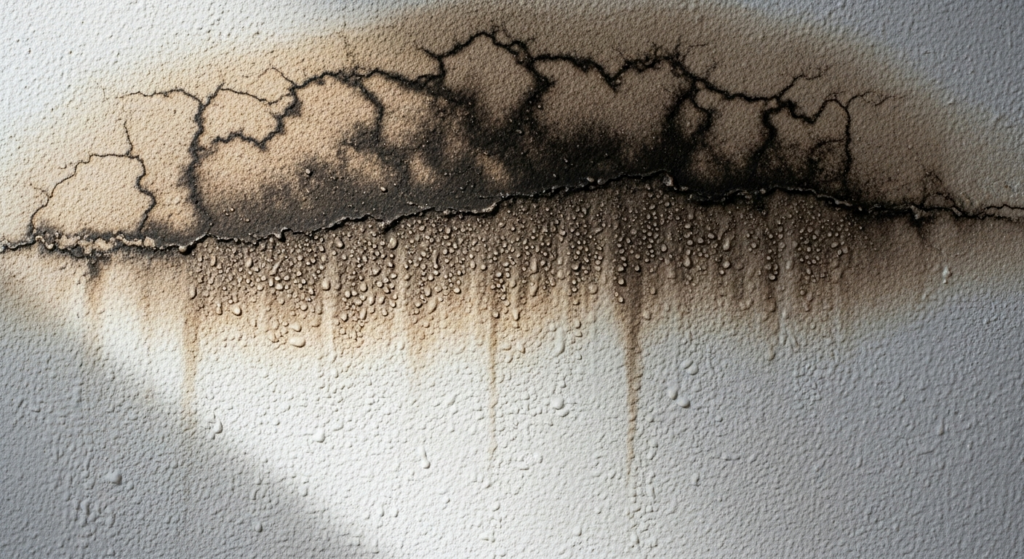
Improperly dried water damage traps moisture that fuels mould within 48 hours, rots timber and weakens structure, with hidden dampness resurfacing long after repairs look complete.
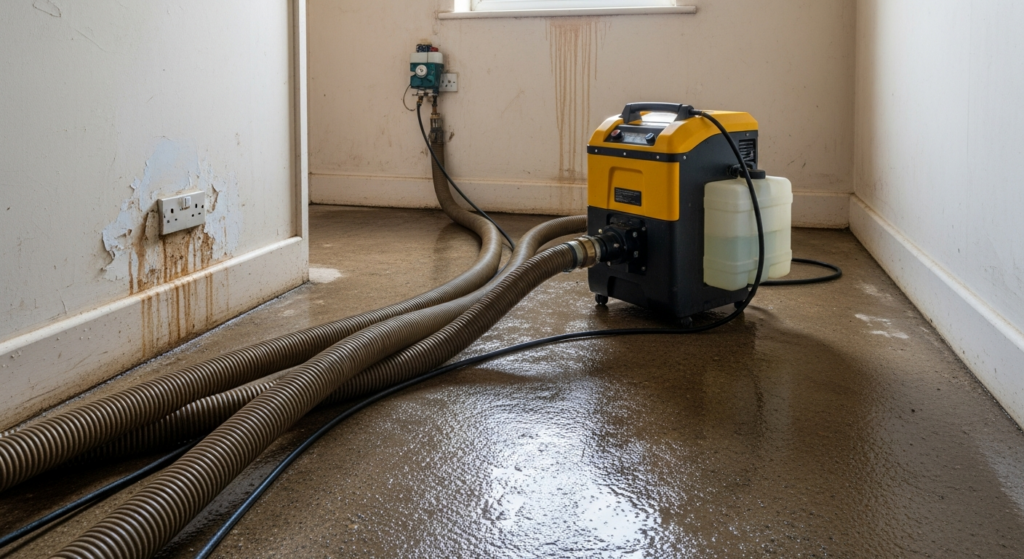
Most floods need professional structural drying, because water spreads into floors, walls and cavities where household fans cannot reach.
Damp after a leak usually takes 2 to 6 weeks to dry, depending on materials, water volume and whether professional drying equipment is used.
Dehumidifiers manage airborne moisture and condensation but cannot cure structural damp, leaks or remove existing mould, which need proper diagnosis and repair.
Stop the source, extract the water, then run dehumidifiers and air movers for two to six weeks, and confirm the structure is dry before redecorating.
Structural drying removes trapped moisture from a building's fabric after leaks, floods or damp, using monitored equipment to protect the property from lasting damage.
How long damp takes to dry out, the factors that control it, and how to speed up and confirm drying safely.
Structural drying after water damage usually takes three to twelve weeks depending on materials, water volume and drying method, with metered testing confirming true dryness.
Dealing with this in your home?
Send us a photo on WhatsApp or give us a call and we will point you in the right direction.