

Housing Ombudsman Damp and Mould Rulings: What They Keep Saying
Housing Ombudsman damp and mould rulings keep punishing the same failures: blaming tenants, delaying inspections, painting over mould and poor record-keeping instead of diagnosing the cause.
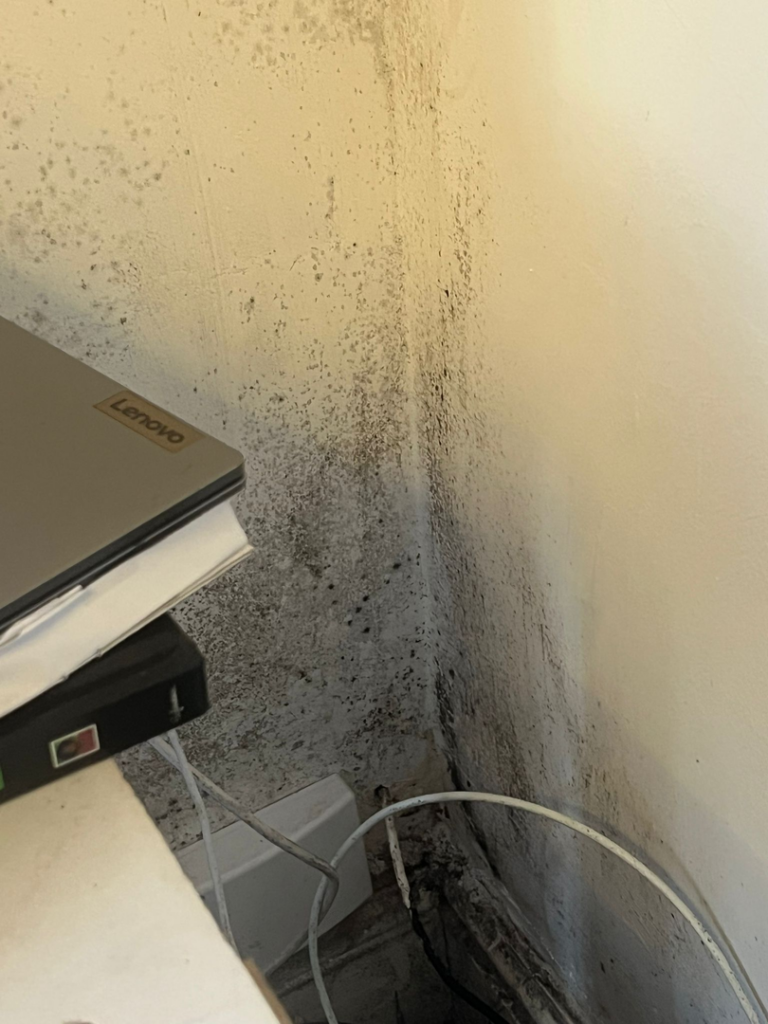
What does the Housing Ombudsman keep saying about damp and mould?
The Housing Ombudsman keeps saying that landlords must stop blaming residents and start diagnosing the cause. Across its rulings and its Spotlight report on damp and mould, the same message repeats: shift from a reactive, blame-based approach to a proactive one that finds and fixes the source. The Ombudsman has been openly critical of landlords who label every case as condensation caused by how a household lives, without ever inspecting the property or testing that assumption.
The pattern in findings of maladministration is consistent. Complaints are upheld not because mould appeared, but because of how slowly and poorly it was handled. The Ombudsman looks for evidence that a landlord investigated, acted within a reasonable time, and kept clear records of what was found and done.
What mistakes do landlords keep making in these rulings?
Landlords keep losing cases for the same avoidable errors. The recurring failures the Ombudsman identifies include:
- Treating mould as a lifestyle or condensation problem without inspecting the property or ruling out a leak, penetrating damp or rising damp.
- Long delays between a report and an inspection, and further delays before any work starts.
- Painting over mould or applying anti-mould coatings without fixing the underlying source, so it returns within weeks.
- Poor record-keeping, with missing inspection notes, no photographs and no clear timeline of actions.
- Failing to follow up after so-called repairs to confirm the problem was resolved.
- Weak communication, leaving residents chasing for updates and repeating the same information.
How do Awaab’s Law and the Renters’ Rights Act change things?
Awaab’s Law and the Renters’ Rights Act turn the Ombudsman’s expectations into legal duties with hard deadlines. Awaab’s Law, which stems from the death of Awaab Ishak, requires social landlords to investigate reported hazards such as damp and mould within fixed timescales and to begin repairs promptly once a hazard is confirmed. It removes the option of open-ended delay that so many rulings criticised.
Not sure what you're dealing with?
Send us a photo on WhatsApp. We'll tell you what it is, no charge, no obligation.
The Renters’ Rights Act extends this direction of travel into the private rented sector, strengthening tenants’ ability to hold landlords to account for disrepair including damp and mould. For any landlord, the practical lesson is the same: a prompt, documented investigation of the cause is now the baseline, not a courtesy. A dated, photographed Damp, Mould and Water Damage Assessment is exactly the kind of evidence that satisfies both the Ombudsman and the new statutory tests.
What does the Ombudsman expect a landlord to actually do?
The Ombudsman expects landlords to investigate the cause, act quickly, and record everything. In practice, the steps that keep landlords on the right side of a ruling look like this:
- Respond to the report quickly and arrange an inspection within a reasonable, short timeframe.
- Investigate the actual cause rather than assuming condensation, checking for leaks, penetrating damp and rising damp.
- Diagnose the root cause and set out a clear plan of works based on that diagnosis.
- Carry out the repairs and address any health risk to the household without avoidable delay.
- Follow up to confirm the mould has not returned and the cause is genuinely resolved.
- Keep a full record: inspection notes, photographs, findings and dates of every action.
Skipping the diagnosis step is where most landlords come unstuck. Applying a coating to visible mould without knowing whether the moisture comes from a hidden leak, cold bridging or a defective seal simply resets the clock until the next complaint.
When should I call in a specialist?
You should call in a specialist as soon as mould keeps returning, the cause is unclear, or you need evidence that will stand up to the Ombudsman, a court or an insurer. Guesswork is what the rulings punish, and a proper diagnosis is what protects both residents and landlords.
At Damp & Mould Solutions UK, our surveys are built around finding the cause, not selling remedial work. A full survey includes moisture mapping across the whole affected area, thermal imaging to reveal cold spots and hidden moisture patterns, and non-destructive, non-invasive leak detection using acoustic and tracer methods to trace a source before anything is opened up. We diagnose the root cause first, then set out what actually needs doing.
A Damp, Mould and Water Damage Assessment (what many people call a damp survey) includes full moisture mapping, root-cause diagnosis and a written, insurance-ready report with a photographic evidence appendix, clear findings and prioritised recommendations, exactly the kind of documentation the Ombudsman expects to see. If a leak needs tracing to its exact source, we also carry out leak detection. We confirm the price on a written quote once we understand the problem. You can call us on 020 3051 8478 or send photos via WhatsApp for an initial view before deciding anything.
Frequently Asked Questions
Does the Housing Ombudsman blame tenants for damp and mould?
What is the most common reason landlords lose damp and mould cases?
Does Awaab’s Law apply to private landlords?
What evidence satisfies the Ombudsman that a landlord acted properly?
If you've got damp, mould, or a leak, you already know it needs sorting.
The longer it sits, the worse it gets. Get in touch and we will agree a date with you. If it is urgent, say so when you call.