

Damp, Mould & Leak Advice
Practical guides for homeowners, tenants and landlords dealing with moisture problems in properties across the UK.
Ask Us a QuestionLatest articles
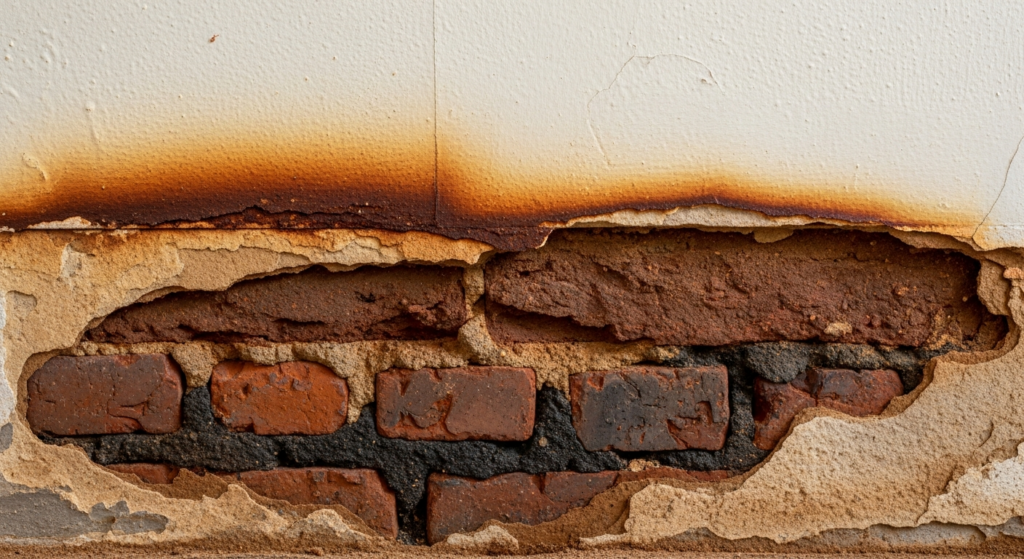
Rising damp climbs from the ground with a tide mark, while penetrating damp enters sideways from an external fault. Here is how to tell them apart.
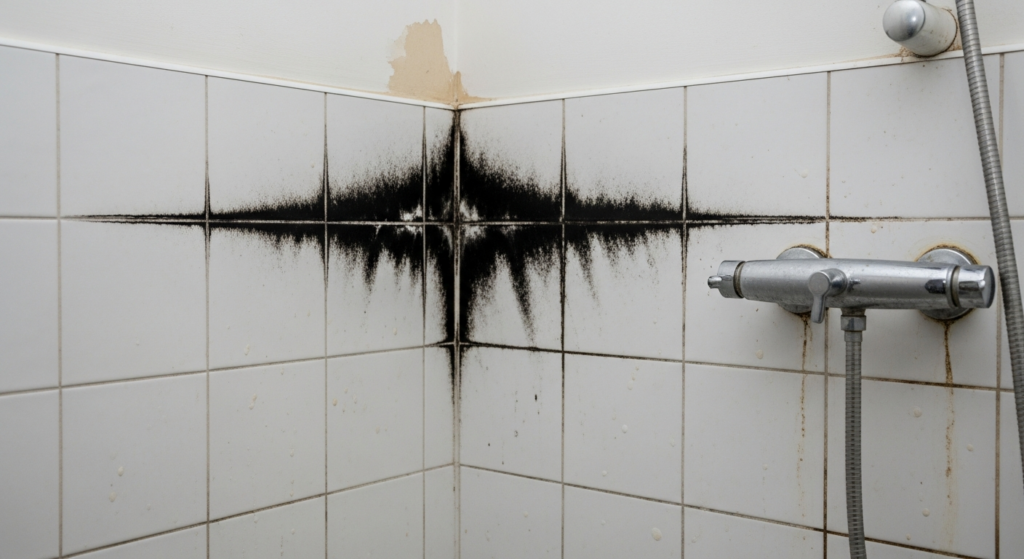
Black mould in showers comes from condensation and hidden leaks feeding spores in grout and silicone. Here is why it appears and how to stop it returning.
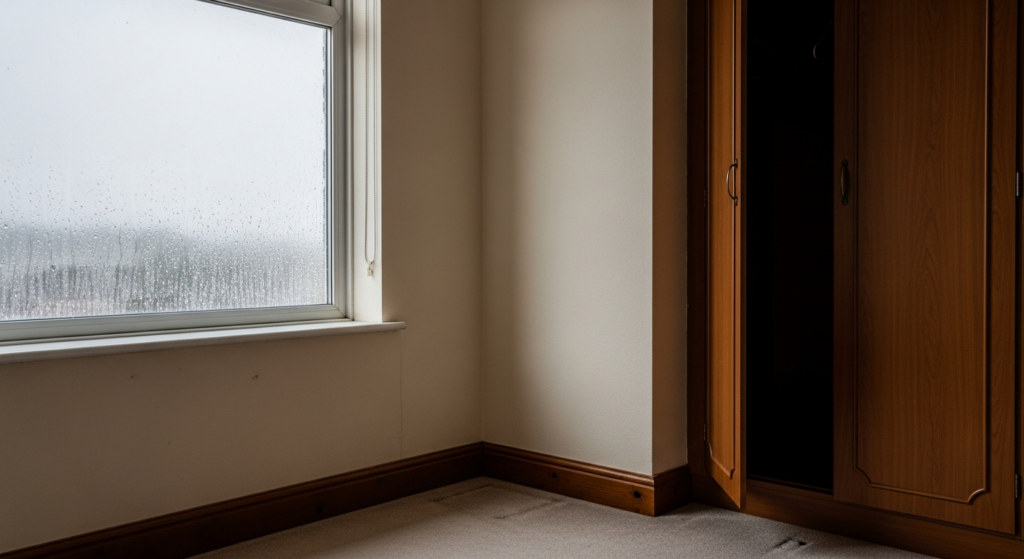
A musty smell almost always means hidden damp feeding mould, and here is how to find the source, clear it, and stop it returning.
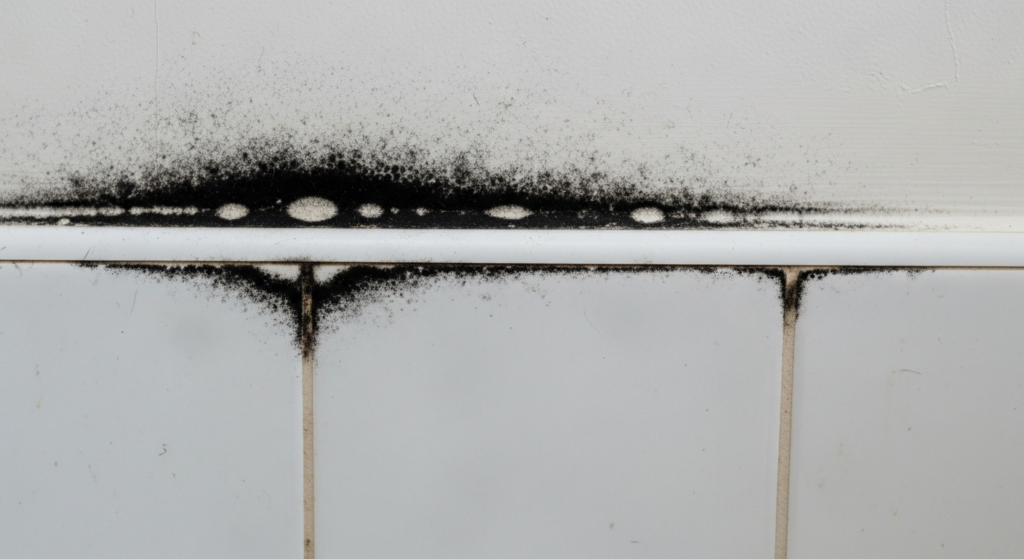
Black bathroom mould is driven by moisture and poor ventilation. Learn how to remove small patches safely and when a professional survey is needed.
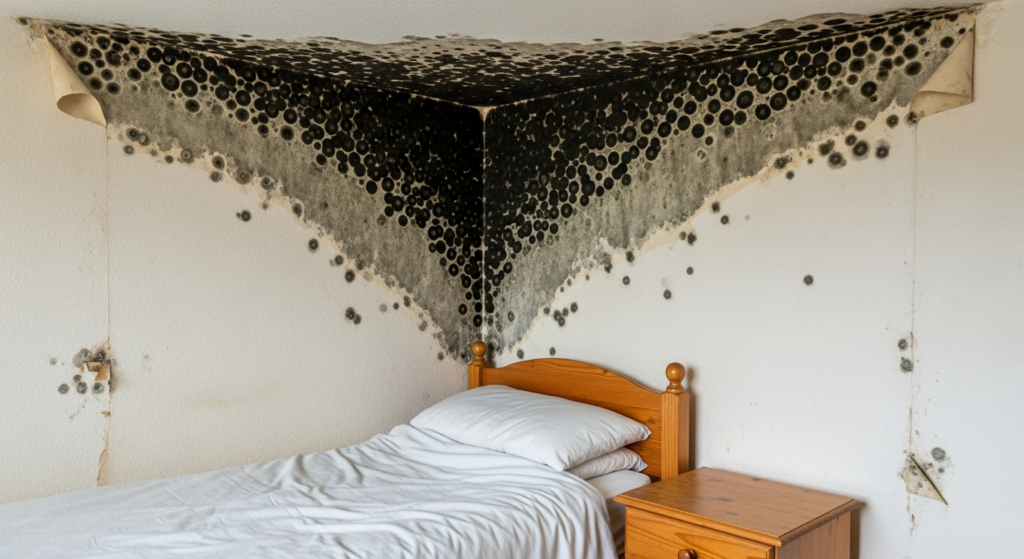
Black mould is a moisture-driven fungus that grows on persistently damp indoor surfaces, and lasting removal means fixing the cause, not just cleaning the patch.
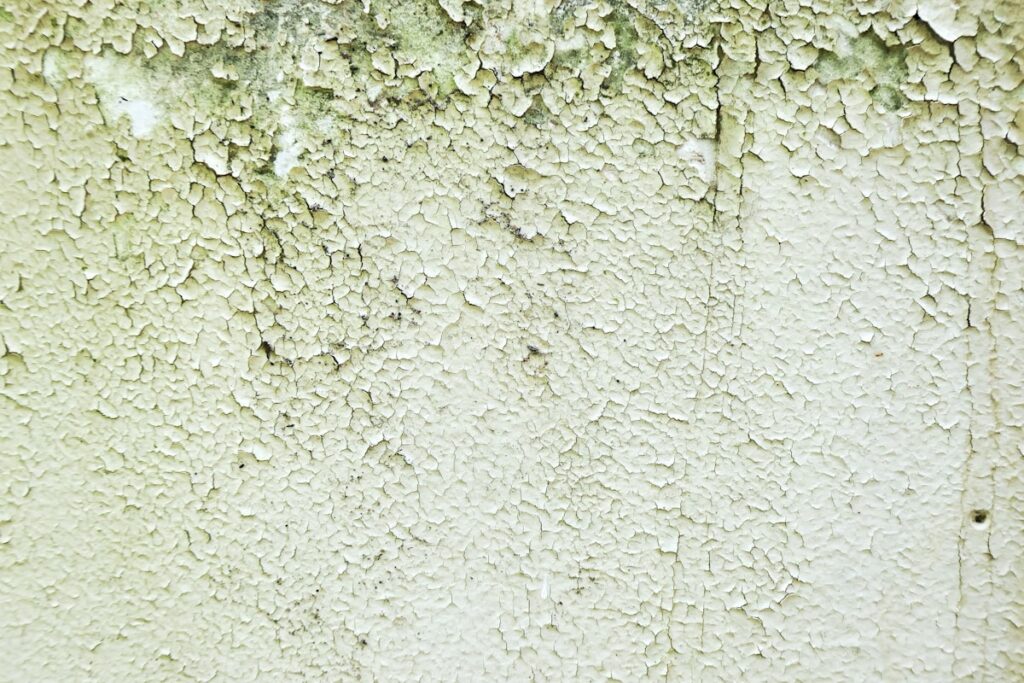
Learn when to call a mould removal specialist in London, what professional remediation involves, who is responsible in rented homes, and how survey costs work.

What Awaab's Law and the Renters' Rights Act require of landlords facing damp and mould complaints, and how to stay compliant.
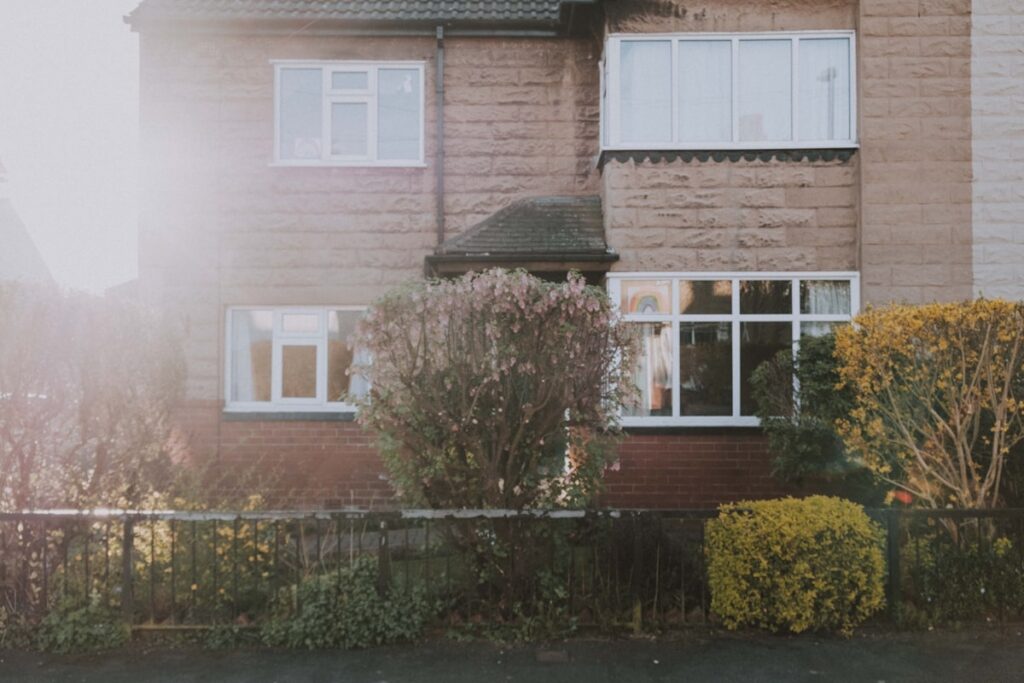
A damp survey in East London pinpoints the moisture source and provides a written remediation plan, with a Damp, Mould and Water Damage Assessment from Damp & Mould Solutions UK.

Hidden water leaks often show up as damp patches, musty smells, mould, running water sounds, or rising water bills with no obvious source.
Got a damp or mould problem right now?
Send us a photo on WhatsApp or give us a call, and we will agree a date with you. If it is urgent, say so when you call.