

Do I Need a Damp Survey Before Buying a House?
A pre-purchase damp survey identifies the true cause of moisture before you exchange, protecting you from inheriting expensive, recurring problems after completion.
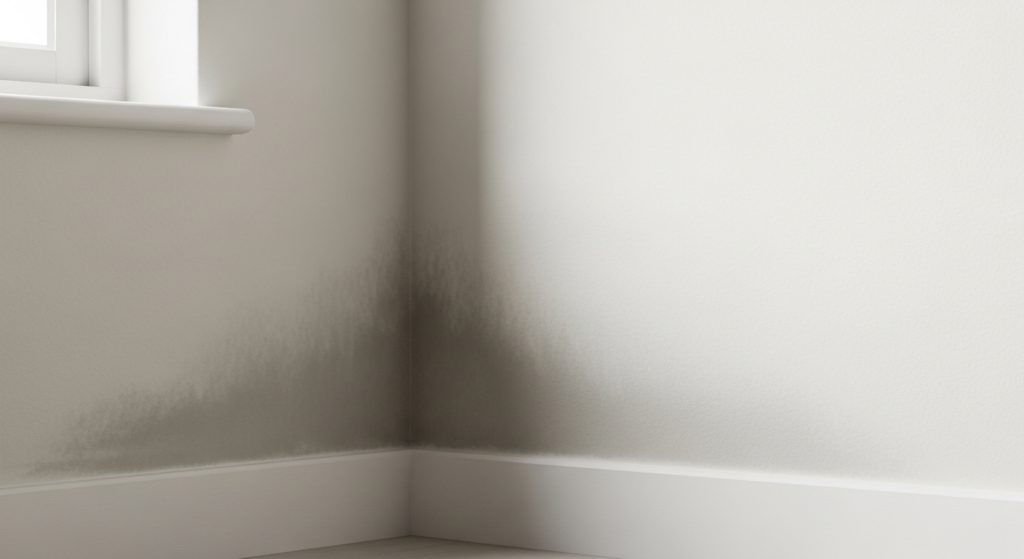
Buying a home is the largest purchase most people make, and damp is one of the most commonly misdiagnosed defects in UK property. A targeted survey tells you exactly what you are dealing with before you commit, so you can negotiate, plan or walk away with confidence.
When does a house purchase actually need a damp survey?
You need a damp survey when a building survey or mortgage valuation recommends one, or when you can see or smell damp during a viewing. Generic surveys often note damp in passing and advise a specialist inspection rather than diagnosing the cause themselves. That referral is your cue to act before exchange.
Older properties, those with solid walls, and homes that have stood empty are higher risk. Look out for these signs during viewings:
- A musty, earthy smell, especially in hallways and ground-floor rooms
- Tide marks or salt staining low on walls
- Peeling paint, bubbling plaster or lifting skirting boards
- Black mould around windows, in corners and behind furniture
- Damp patches on ceilings below bathrooms or flat roofs
- Fresh paint or new plaster on one isolated wall (a possible cover-up)
What does a Damp, Mould and Water Damage Assessment check for before buying?
A proper damp survey identifies the type of damp, its source and the correct remedy, rather than simply confirming that moisture is present. The three main types behave very differently, and confusing them leads to wasted money on the wrong treatment.
- Penetrating damp: water entering through walls, roofs or around windows, often linked to defective pointing, render or guttering
- Rising damp: ground moisture travelling up through walls where a damp-proof course is absent, bridged or failed
- Condensation: the most common cause of mould, driven by poor ventilation, cold surfaces and everyday moisture
A thorough Damp, Mould and Water Damage Assessment uses moisture readings, inspection of external defects and an assessment of ventilation to reach a clear diagnosis. The aim is a report you can hand to a surveyor, solicitor or seller, not a sales pitch for treatment you may not need.
How much does a Damp, Mould and Water Damage Assessment cost when buying a house?
We confirm the price on a written quote once we understand the problem. Our Damp, Mould and Water Damage Assessment (what many people call a damp survey) includes a full insurance-ready report with a photographic evidence appendix you can use in your purchase negotiations. There are no variable inspection fees and no pressure to commit to remedial work.
Not sure what you're dealing with?
Send us a photo on WhatsApp. We'll tell you what it is, no charge, no obligation.
The cost of any work that follows is a separate matter and depends on factors the survey will make clear: the type and extent of damp, the construction of the property, how far moisture has spread, whether plaster or timber is affected, and whether structural drying is needed before repairs can begin. We explain these factors in plain words in your report so you can budget realistically.
Can a damp survey help me negotiate the price?
Yes, a written damp survey is one of the strongest negotiating tools available to a buyer. Once you have a clear diagnosis and a description of the work required, you can ask the seller to reduce the price, complete repairs before exchange, or contribute to the cost.
Without a specialist report you are negotiating on guesswork, and sellers are far less likely to move on vague concerns. A documented diagnosis from a qualified surveyor carries weight with estate agents and solicitors because it sets out the cause and the consequence in writing.
Should I still get a survey if the seller says it is just condensation?
Yes, you should verify any damp claim yourself rather than relying on the seller’s reassurance, because condensation that has been painted over can return within weeks. Sellers are not always trying to mislead, but they rarely have the equipment or training to diagnose damp accurately.
If the issue genuinely is condensation, that is useful to know: it points to ventilation and heating improvements rather than major building work. Either way, you exchange contracts knowing the true condition of the property instead of discovering it after you hold the keys.
Arrange your Damp, Mould and Water Damage Assessment with Damp & Mould Solutions UK
Damp & Mould Solutions UK carries out Damp, Mould and Water Damage Assessments across the UK, including London boroughs such as Westminster, Camden, Islington, Hackney, Wandsworth, Lambeth, Southwark, Richmond and the surrounding boroughs. If you are buying a property and want certainty before you exchange, call us on 020 3051 8478 or send photos via WhatsApp for an initial view. We will tell you honestly whether an assessment is worth your while.
Frequently Asked Questions
Is a damp survey different from a building survey?
How long does a Damp, Mould and Water Damage Assessment take?
Can I use the survey report in price negotiations?
What if the survey finds no significant damp?
If you've got damp, mould, or a leak, you already know it needs sorting.
The longer it sits, the worse it gets. Get in touch and we will agree a date with you. If it is urgent, say so when you call.