

Property Management Advice
Damp and mould guidance for landlords and property managers across the UK, including Awaab’s Law and tenant obligations.
Property managers
Damp and mould responsibility in a flat depends on the cause, splitting between landlord, tenant, freeholder, or leaseholder, with a survey settling any dispute.
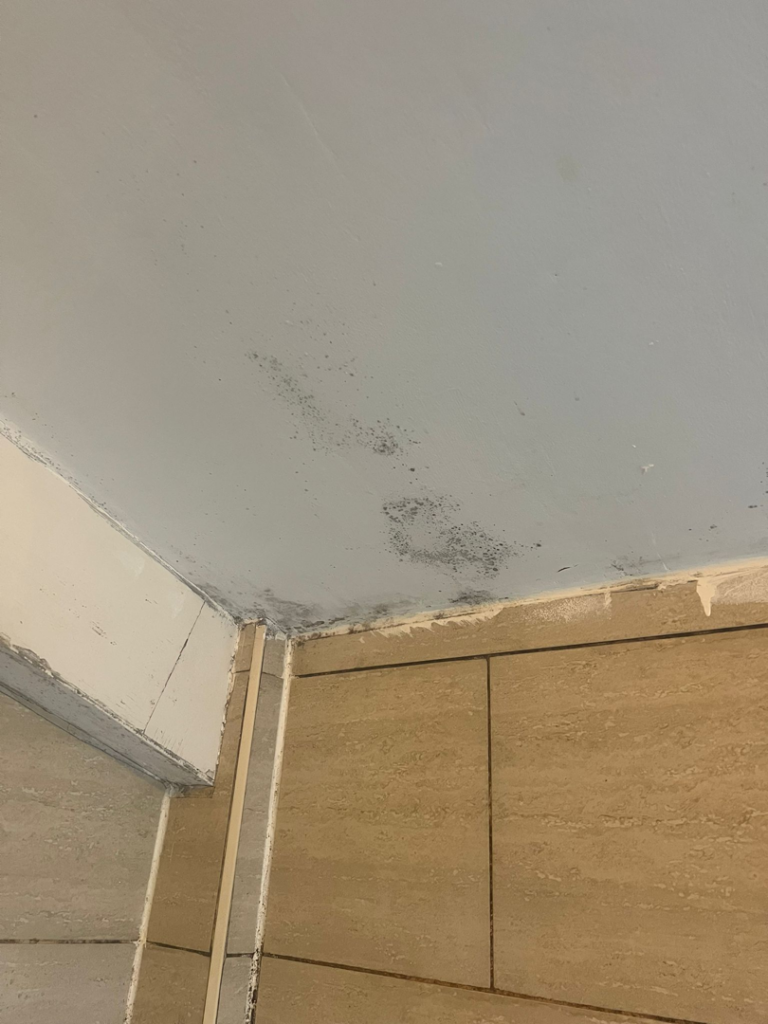
A Category 1 damp hazard is the most serious HHSRS rating, meaning damp or mould poses a serious risk to health that landlords must act on.
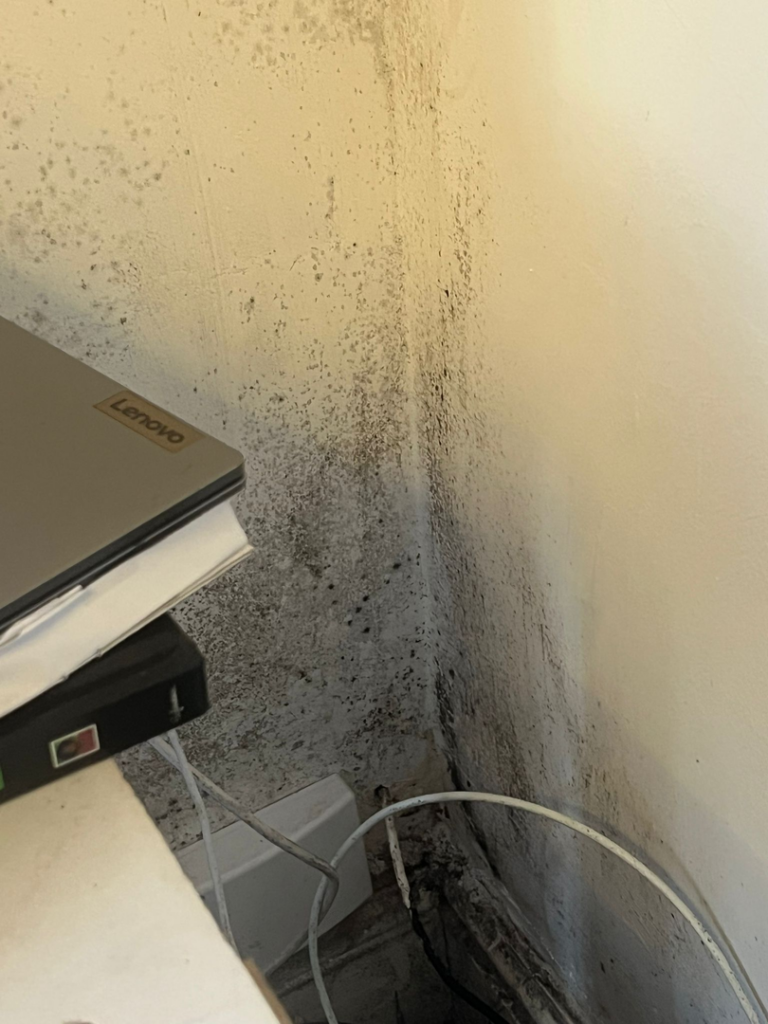
Housing Ombudsman damp and mould rulings keep punishing the same failures: blaming tenants, delaying inspections, painting over mould and poor record-keeping instead of diagnosing the cause.

What damp and mould evidence a landlord needs before a disrepair claim lands, and why proving the cause matters more than the symptom.
Tenants cannot legally withhold rent for damp and mould in England, but there are proper routes to force repairs and protect your position.
Landlords must pay for mould removal in almost all cases where the cause is a leak, damp or poor ventilation, and here is how the law and the evidence decide it.
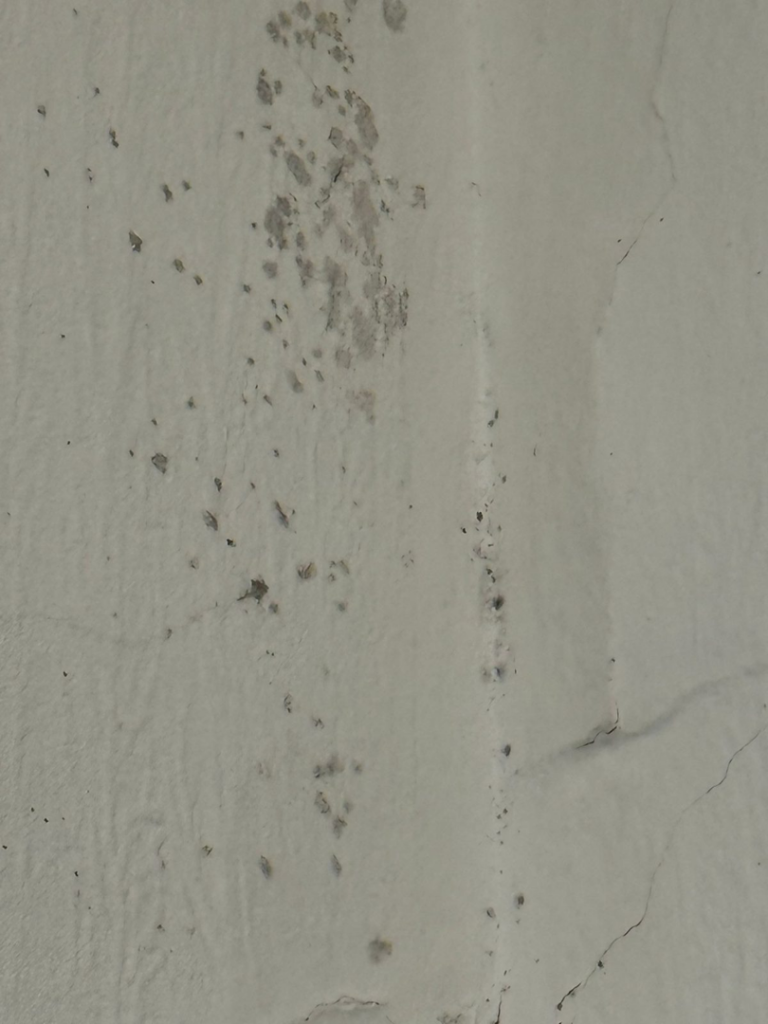
Landlords can face civil penalties of up to £30,000 per offence and unlimited court fines for damp and mould, plus rent repayment orders and compensation.
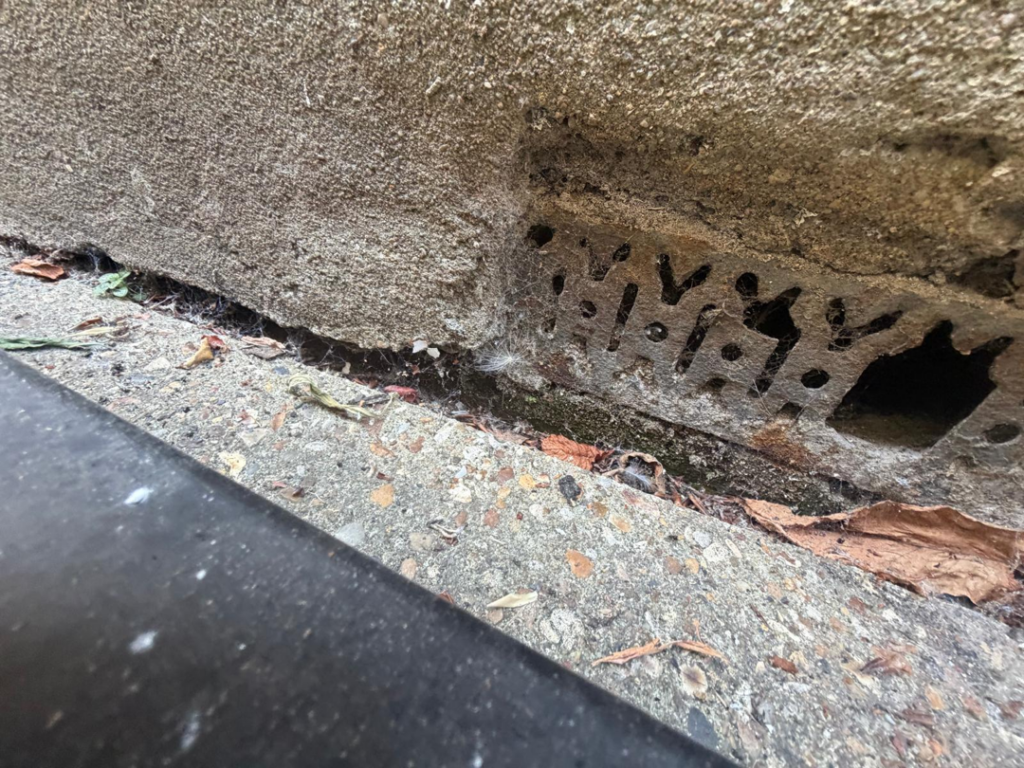
A damp disrepair claim lets tenants hold landlords to account for unfixed damp and mould, and the right survey provides the evidence it depends on.
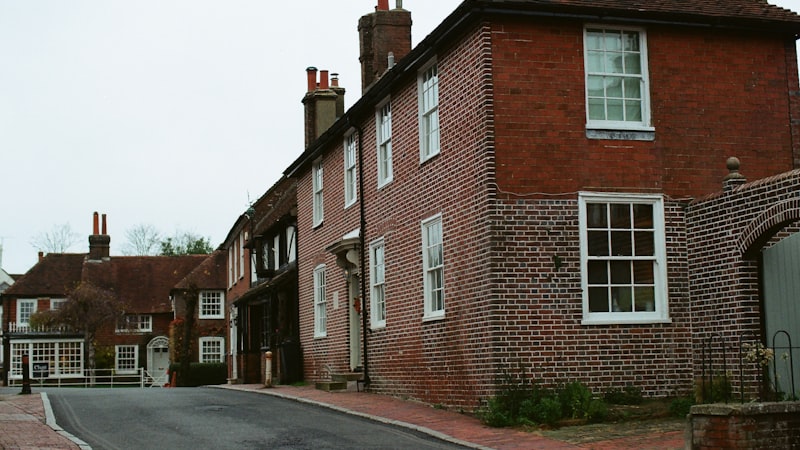
In most cases landlords must pay for a damp survey, as diagnosing damp falls under their legal duty to keep a rented property in repair.

Awaab's Law does not yet apply to private landlords, but they already face damp and mould duties under existing law and the Renters' Rights Act.

The Renters' Rights Act and Awaab's Law give landlords enforceable duties to investigate and fix damp and mould within fixed timescales.

Damp or mould in your rented home? Learn how to report it, your legal rights under Awaab's Law, and how a professional survey protects you.

A spring damp survey helps landlords catch and fix damp before summer humidity makes it worse, with a written report backing compliance.

Landlords should check for damp and mould at least every six months, with more frequent checks for older or high-risk properties and after any tenant report.

Prevent damp and mould in a rented property by controlling moisture, ventilating daily, and reporting building faults to your landlord in writing without delay.
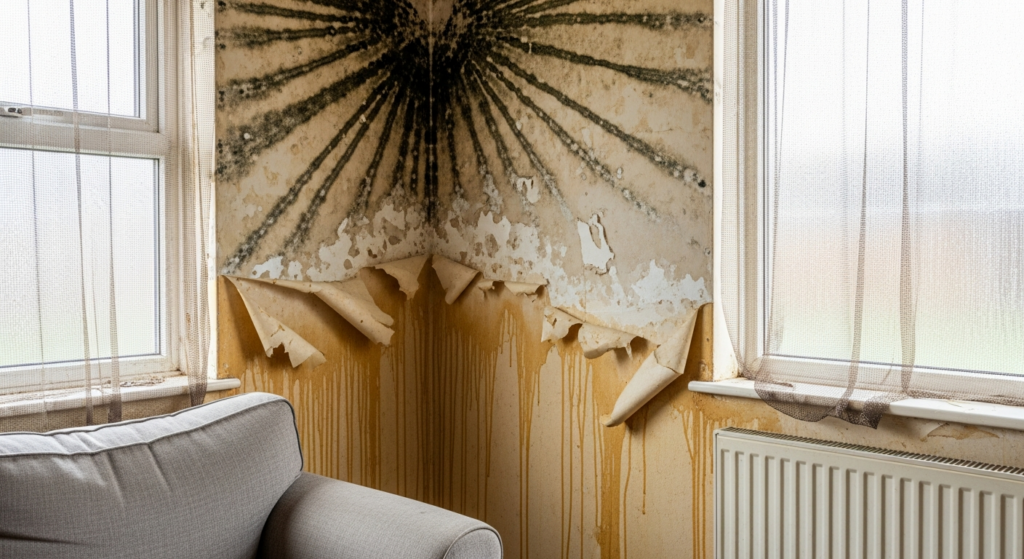
Landlords are legally responsible for damp and mould, must fix the cause and respond to tenant reports within strict statutory timeframes.

Tenants have strong legal rights when a landlord ignores damp and mould, and a documented survey is often the fastest way to compel repairs.
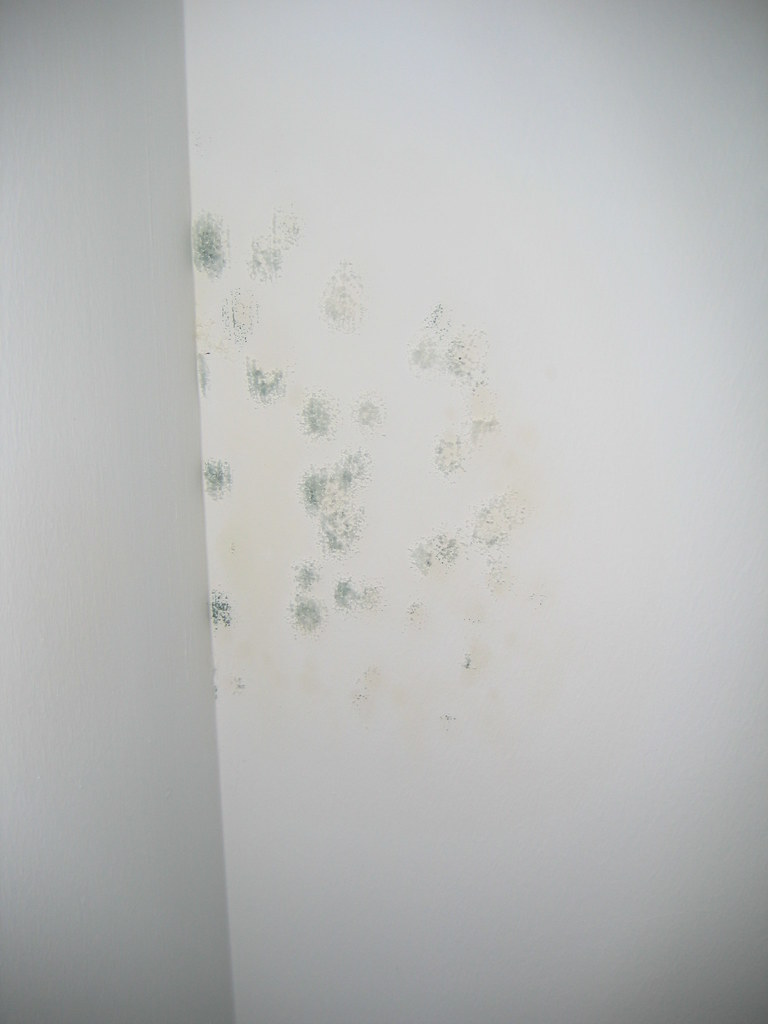
The government has confirmed how fast social landlords must act on damp and mould. Here are the deadlines and how to build a compliant survey and repair process.

Awaab's Law gives landlords strict deadlines to investigate and fix damp and mould, and a professional survey is the evidence you need to comply.

What Awaab's Law and the Renters' Rights Act require of landlords facing damp and mould complaints, and how to stay compliant.
Dealing with this in your home?
Send us a photo on WhatsApp or give us a call and we will point you in the right direction.