

Awaab’s Law Deadlines: How Quickly Must Landlords Fix Damp and Mould?
The government has confirmed how fast social landlords must act on damp and mould. Here are the deadlines and how to build a compliant survey and repair process.
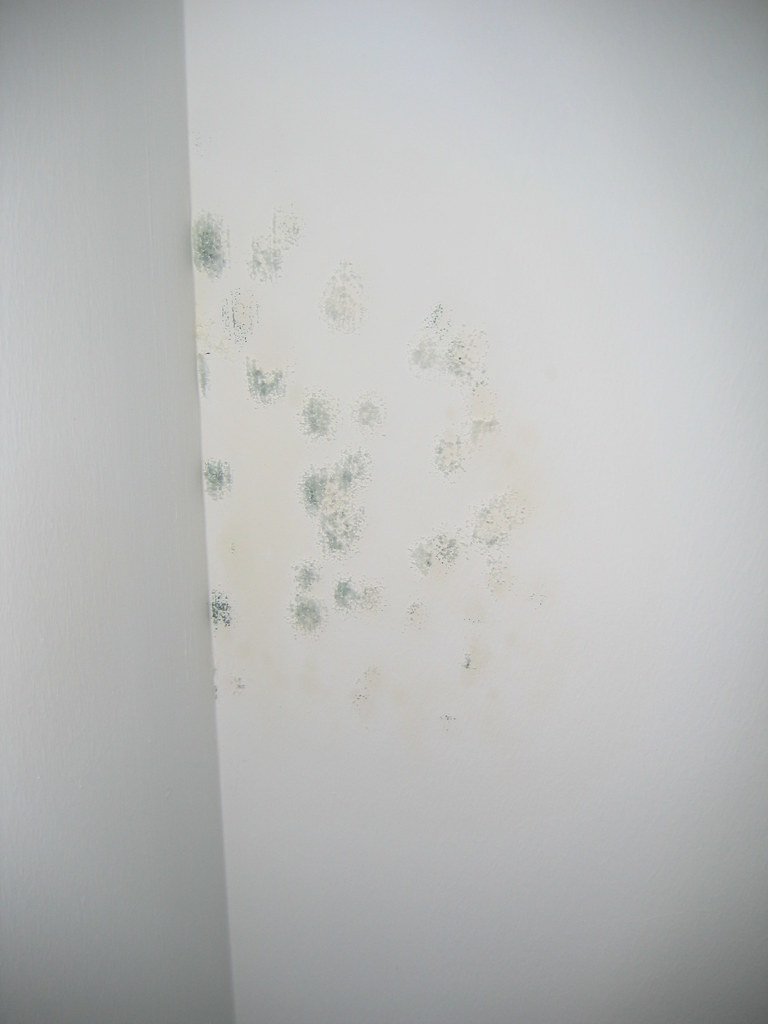
If you manage social housing, the clock on damp and mould repairs has become a good deal more precise. The government has confirmed how quickly landlords must act once a hazard is reported, setting fixed timescales that leave little room for the drift that used to characterise these cases. For tenants living with spreading black patches on the bedroom wall, that certainty is welcome. For landlords, it means your repairs process now needs to be fast, documented and genuinely responsive, not a queue where damp complaints slide to the bottom.
Here is what the confirmed rules mean in practice, and how to make sure a survey and repair can actually happen inside the window you are given.
What Awaab’s Law now requires
Awaab’s Law places legal duties on social landlords to investigate and fix serious hazards within set deadlines rather than leaving them open-ended. The government has clarified the tiers so everyone knows where they stand:
- Immediate danger: hazards posing an immediate risk must be made safe within 24 hours of the landlord becoming aware.
- Other serious hazards: issues that are serious but not an immediate danger get slightly longer, defined deadlines to investigate and begin remedial work.
- Damp and mould specifically: these sit squarely within the hazards the law targets, given how they affect the air in a home and how quickly they can worsen.
The distinction matters. A collapsing saturated ceiling is an immediate-danger job. A steadily growing mould bloom in a child’s bedroom is serious and time-limited, but you are not expected to gut the room by tomorrow morning. What you are expected to do is investigate promptly and act on what you find.
Why fast diagnosis is the real challenge
The hardest part of meeting these deadlines is not the repair itself. It is working out what is actually causing the problem quickly enough to fix the right thing. Damp presents in ways that look identical on the surface but need completely different remedies:
- A hidden pipe or heating leak feeding moisture into a wall cavity.
- Penetrating damp from failed pointing, a cracked render or a blocked gutter.
- Rising damp where a damp-proof course has failed or been bridged.
- Condensation and mould driven by ventilation and heating patterns.
If your contractor paints over mould that is being fed by a concealed leak, you have not met your obligation. The hazard returns within weeks and the deadline clock effectively starts again, this time with a frustrated tenant and a paper trail that shows you got it wrong. Accurate diagnosis on the first visit is what protects you.
Not sure what you're dealing with?
Send us a photo on WhatsApp. We'll tell you what it is, no charge, no obligation.
Building a compliant response process
To hit the confirmed timescales reliably, structure your reaction to every damp report as a repeatable sequence:
- Log and timestamp the report the moment it arrives, whatever channel it came through.
- Triage the severity against the tiers so you know whether you are working to the 24-hour make-safe rule or the longer investigation deadline.
- Book a survey early in the window rather than at the last hour, leaving room for the fix.
- Identify the true cause using moisture readings, thermal imaging and, where a leak is suspected, non-invasive detection before any redecoration.
- Record everything: photos, readings, the diagnosis and the remedial plan, so you can demonstrate you acted.
A survey that pinpoints the cause with evidence is your strongest defence. It shows you did not guess, and it gives your repairs team a specification they can act on inside the deadline.
What this means for smaller and mixed portfolios
Even if some of your stock sits outside the social housing definition, the direction of travel is clear and tenants across the capital increasingly expect the same standard. Private landlords managing older converted flats and terraces face the same underlying physics: moisture finds the weak point, and mould follows. Treating every damp report with the same urgency, whether or not the law compels you, keeps tenants safe and keeps you clear of disrepair claims that cost far more than a timely survey.
The practical takeaway is simple. Have a diagnostic partner you can call quickly, so that when a report lands you are not scrambling to find someone who can attend before your window closes.
Arrange your Damp, Mould and Water Damage Assessment
If you need a fast, evidence-based diagnosis to meet a repair deadline or head one off, get in touch through our website and we will arrange an Assessment at short notice. You can also send photos of the affected area straight to us on WhatsApp for an initial view before we attend.
If you've got damp, mould, or a leak, you already know it needs sorting.
The longer it sits, the worse it gets. Get in touch and we will agree a date with you. If it is urgent, say so when you call.