

Do Landlords Have to Pay for a Damp Survey?
In most cases landlords must pay for a damp survey, as diagnosing damp falls under their legal duty to keep a rented property in repair.
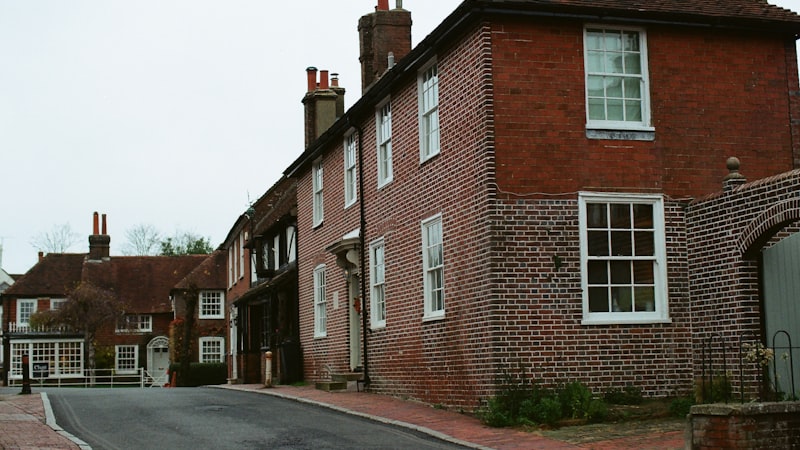
Damp and mould in rented homes are a legal and financial matter for landlords, not just a maintenance annoyance. When a tenant reports the problem, the landlord is expected to establish the cause and act. A professional survey is the starting point, and the cost of that survey almost always sits with the landlord.
Are landlords legally required to pay for a Damp, Mould and Water Damage Assessment?
Yes, in the majority of cases the landlord pays for the damp survey. The Landlord and Tenant Act 1985 places a duty on landlords to keep the structure, exterior and installations of a property in repair. When damp threatens that structure or the health of occupants, diagnosing the cause becomes part of meeting that duty, and diagnosis means a survey.
The landlord cannot simply pass the bill to the tenant unless the tenant has clearly caused the damage through neglect or misuse. Even then, a survey is needed first to prove cause, so the landlord typically funds the initial Damp, Mould and Water Damage Assessment before any question of liability is settled.
What does Awaab’s Law mean for landlords and damp?
Awaab’s Law requires social landlords to investigate and fix reported damp and mould within strict, legally defined timescales. Introduced after the death of Awaab Ishak, it removes any excuse for delay. Once a hazard is reported, the clock starts, and a documented survey is the evidence that an investigation actually happened.
Not sure what you're dealing with?
Send us a photo on WhatsApp. We'll tell you what it is, no charge, no obligation.
The Renters’ Rights Act extends similar expectations across the private rented sector, tightening standards on hazards including damp and mould. For landlords, this means a written, dated, evidence-backed survey is no longer optional good practice. It is protection against enforcement action and disrepair claims.
What damp problems should landlords act on?
Landlords should act on any visible or reported damp, because early diagnosis prevents small issues becoming structural ones. Tenants often report symptoms without knowing the cause, so the signs matter more than assumptions.
- Black spotted mould on walls, ceilings or around windows
- A persistent musty or earthy smell in rooms or cupboards
- Tide marks or staining low down on ground floor walls
- Peeling paint, bubbling plaster or crumbling render
- Condensation running down windows most mornings
- Cold, damp patches that never seem to dry
These symptoms can point to rising damp, penetrating damp, condensation or a plumbing fault, and each needs a different remedy. Guessing wastes money. A proper survey identifies which mechanism is at work before anyone spends on repairs.
What does a Damp, Mould and Water Damage Assessment include?
We confirm the price on a written quote once we understand the problem. Our Damp, Mould and Water Damage Assessment (what many people call a damp survey) delivers a full insurance-ready written report. It is designed to stand up to scrutiny from tenants, insurers, local authorities and courts, which matters when compliance is in question.
The report includes:
- Clear findings identifying the type and cause of damp
- A photographic evidence appendix documenting each affected area
- Prioritised recommendations so urgent works are tackled first
- Written detail you can hand directly to contractors or insurers
Because the report is written and dated, it becomes your proof of a timely investigation under Awaab’s Law and the Renters’ Rights Act. That single document protects the landlord and reassures the tenant that the problem is being taken seriously.
What affects the cost of fixing damp after the survey?
The survey cost is fixed, but the cost of remedial work depends on what the survey uncovers. We do not quote repair figures before diagnosis, because doing so would be guesswork. Several factors shape the eventual scope of work.
The type of damp is the biggest driver: condensation caused by ventilation and lifestyle is a different task from penetrating damp through a failed wall. The extent of spread, the age and construction of the property, ease of access, and whether plaster or timber has been affected all change the picture. The survey sets these out in plain terms so the landlord can plan and budget with confidence rather than react to a worst case.
Can a landlord charge the tenant for the survey?
Generally no, a landlord cannot charge the tenant for a damp survey, because investigating disrepair is the landlord’s responsibility. The exception is where a survey proves the tenant caused the damage through clear neglect, such as never ventilating or deliberately blocking airflow.
Even in that situation, the landlord commissions and pays for the survey first. The findings then determine liability. Without that written diagnosis, any attempt to recover costs from a tenant is difficult to justify and unlikely to succeed.
Arrange your Damp, Mould and Water Damage Assessment with Damp & Mould Solutions UK
Damp & Mould Solutions UK carries out Damp, Mould and Water Damage Assessments for landlords across the UK, including central, north, south, east and west London and the surrounding boroughs. You receive a full insurance-ready written report with a photographic evidence appendix, clear findings and prioritised recommendations. Call us on 020 3051 8478 or send photos via WhatsApp for an initial view of your property.
Frequently Asked Questions
Do landlords always have to pay for a Damp, Mould and Water Damage Assessment?
How much is a Damp, Mould and Water Damage Assessment?
Does Awaab’s Law apply to private landlords?
Can a tenant arrange their own damp survey?
If you've got damp, mould, or a leak, you already know it needs sorting.
The longer it sits, the worse it gets. Get in touch and we will agree a date with you. If it is urgent, say so when you call.