

How to Get Rid of Black Mould on Walls for Good
Learn how to get rid of black mould on walls for good by fixing the moisture source, plus survey and remediation costs across the UK.
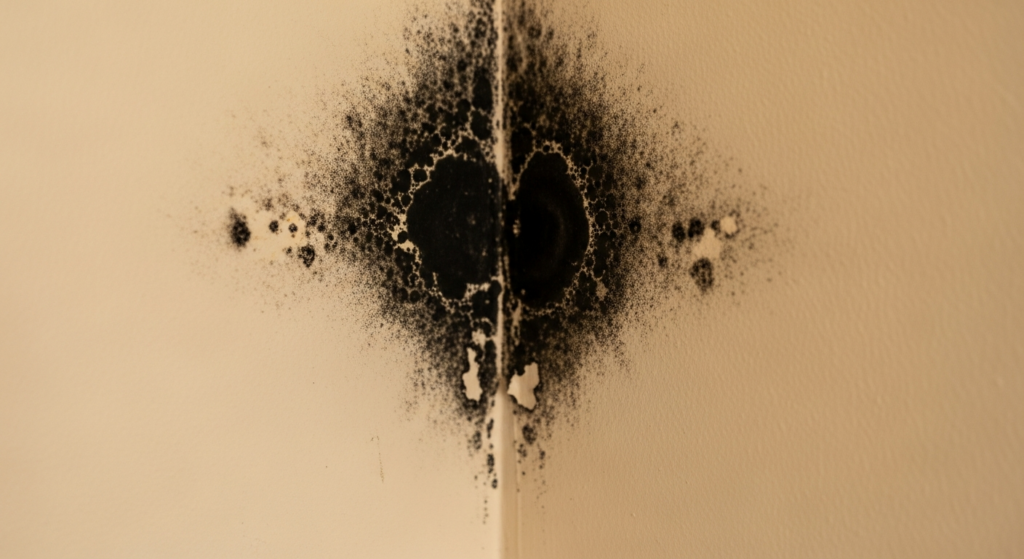
Black mould on walls is a symptom, not the disease. Wiping it off makes a room look better for a week or two, but unless you tackle the underlying damp, the spores re-establish and the staining creeps back. Below we explain exactly how to remove it, when to call in professionals, and what it costs to get the problem diagnosed and resolved properly.
What actually causes black mould on walls?
Black mould grows wherever there is persistent moisture, poor ventilation and a surface for it to feed on. In most London homes the trigger is condensation, but it can also stem from penetrating damp, rising damp, leaking pipes or cold bridging. Common signs to look for include:
- Dark speckled patches in corners, behind furniture or around windows
- A persistent musty, earthy smell
- Streaming condensation on glass and cold walls each morning
- Peeling paint, blistering plaster or damp-feeling skirting
- Worsening symptoms in cooler, less-ventilated rooms such as bedrooms and bathrooms
Because the cause dictates the cure, accurate diagnosis is the single most important step. A professional mould inspection pinpoints whether you are dealing with lifestyle condensation or a structural defect.
Not sure what you're dealing with?
Send us a photo on WhatsApp. We'll tell you what it is, no charge, no obligation.
How do I remove black mould myself, safely?
For small, isolated patches on non-porous surfaces you can treat the mould yourself using a fungicidal cleaner and the right protective kit. Follow these steps:
- Open windows and wear gloves, an FFP2 or FFP3 mask and eye protection.
- Move furniture away and cover the floor to catch debris.
- Apply a proprietary fungicidal wash, never dry-brush or vacuum the mould as this releases spores.
- Wipe gently with disposable cloths and bag them immediately.
- Allow the surface to dry fully, then redecorate with a mould-resistant paint if needed.
- Keep the room ventilated and warm to stop condensation returning.
How do I stop black mould coming back for good?
You stop black mould returning by removing the moisture it depends on, which usually means a combination of repair and better ventilation. Control humidity by drying laundry outdoors or in a vented space, using extractor fans in kitchens and bathrooms, and keeping a low, steady background heat. Where the cause is structural, such as a roof leak, failed pointing or a damaged damp-proof course, the defect itself must be fixed before any treatment will last. This is the difference between a cosmetic clean and genuine, professional mould remediation, which treats the affected area and addresses the source so the problem does not recur.
When should I call a professional?
Call a professional when the mould covers more than around one square metre, keeps returning after cleaning, sits on porous plaster, or is linked to a leak or structural damp. You should also seek expert help if anyone in the household has asthma, allergies or a weakened immune system, as disturbed spores can worsen respiratory conditions. A specialist will identify the cause, contain the work area properly, treat the affected surfaces and advise on the repairs needed to keep the wall dry long term.
What does mould inspection and removal cost?
We confirm the price on a written quote once we understand the problem. Our Damp, Mould and Water Damage Assessment (what many people call a damp survey) includes an insurance-ready written report with a photographic evidence appendix. That report identifies the cause, documents the extent of the problem and sets out the recommended works, making it ideal for insurers, landlords and managing agents.
Mould removal and remediation is quoted on a per-job basis rather than charged at a fixed rate, because every room and every cause is different. To get a fixed-price quote, simply send us a video of the whole affected room and we will assess it and provide a clear, fixed figure for the works. Once agreed, works are paid 50% upfront and 50% on completion. Emergency or out-of-hours attendance carries an additional cost.
What if I rent or let the property?
If you rent, your landlord is legally responsible for tackling damp and mould that affects your health or the structure of the home. Under Awaab’s Law, social landlords must investigate and fix reported damp and mould within strict timescales, and the Renters’ Rights Act strengthens tenants’ protection against unsafe, mould-ridden conditions. Our survey produces the documented, photographic evidence tenants, landlords and agents need to confirm the cause and demonstrate that the correct remedial action has been taken.
Arrange your Damp, Mould and Water Damage Assessment today
Damp & Mould Solutions UK helps homeowners, tenants, landlords and agents across the UK, including central, north, south, east and west London boroughs, get rid of black mould for good. Call us on 020 3051 8478 to book your Assessment, or send a video of the affected room via WhatsApp for a fixed-price remediation quote.
Frequently Asked Questions
Does bleach kill black mould on walls?
Is black mould on walls dangerous to health?
How much does it cost to get rid of black mould?
Why does black mould keep coming back after I clean it?
If you've got damp, mould, or a leak, you already know it needs sorting.
The longer it sits, the worse it gets. Get in touch and we will agree a date with you. If it is urgent, say so when you call.