

Black Mould on Carpet: Causes, Risks and How to Remove It
Black mould on carpet is caused by trapped moisture in the fibres and underlay, poses real health risks, and rarely clears without fixing the source.
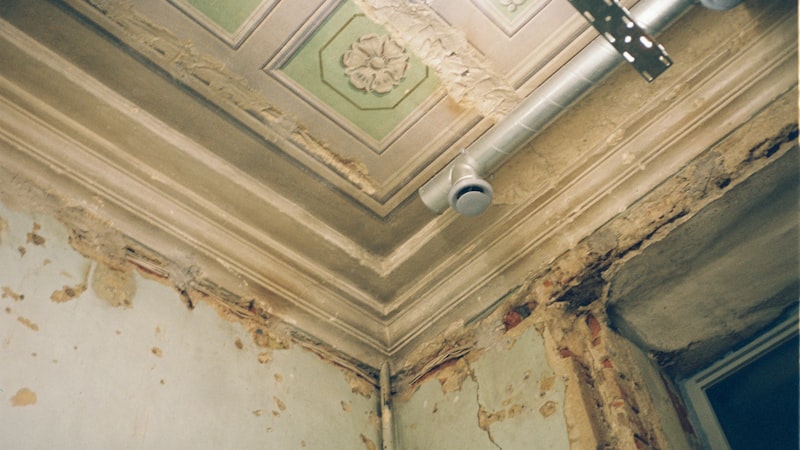
What causes black mould on carpet?
Black mould on carpet is almost always driven by moisture that cannot escape, because carpet fibres and underlay hold water and stay warm, which is exactly what mould spores need to colonise.
Common sources include:
- Spills and leaks that were dried on the surface but soaked into the underlay.
- Plumbing or radiator leaks running along the floor unnoticed.
- Condensation pooling at cold external walls and skirtings.
- Rising damp drawing moisture up through a solid or suspended floor.
- Poor ventilation in a room where washing is dried or humidity stays high.
The reason the growth often looks worse than expected is that the visible black patch on top is only part of it. The underlay beneath frequently holds the largest reservoir of moisture and spores, which is why surface cleaning alone tends to fail.
Is black mould on carpet dangerous to health?
Yes, black mould on carpet can be dangerous, particularly for young children, older people and anyone with asthma, allergies or a weakened immune system. The spores and mycotoxins it releases into the air are the real concern, not just the stain.
Because carpet sits at floor level, disturbed spores are easily breathed in, especially by crawling infants and pets. Typical reactions include a persistent cough, sneezing, itchy eyes, a blocked or runny nose, and worsening asthma symptoms. Prolonged exposure in a damp room can also trigger skin irritation and general fatigue.
What are the signs of black mould under a carpet?
The clearest sign of hidden black mould is a persistent musty, earthy smell that lingers even after cleaning and airing the room.
Not sure what you're dealing with?
Send us a photo on WhatsApp. We'll tell you what it is, no charge, no obligation.
Watch for the following:
- A damp or musty odour that returns within days of cleaning.
- Dark patches, staining or discolouration visible on the carpet surface.
- A carpet that feels cold, damp or springy underfoot in one area.
- Lifting, curling or discoloured skirting boards nearby.
- Increased allergy or breathing symptoms when spending time in that room.
If you notice several of these together, the moisture has likely reached the underlay and subfloor, and the problem is beyond a quick surface fix.
How do you remove black mould from carpet?
Small, recent surface patches on a dry carpet can sometimes be cleaned safely at home, but any carpet with saturated underlay or widespread growth should be assessed and usually replaced.
For a small, contained patch on an otherwise dry carpet:
- Open windows and wear gloves and a well-fitting mask before you start.
- Gently vacuum the affected area, then empty the vacuum outside straight away.
- Apply a suitable anti-mould treatment or a diluted cleaning solution to the patch, following the product instructions.
- Work it into the fibres, then blot rather than rub to lift the growth.
- Dry the area thoroughly with fans and ventilation so no residual moisture remains.
- Monitor the spot for two to three weeks to confirm it does not return.
If the mould covers a large area, keeps coming back, or the underlay is wet, cleaning will not solve it. At that point you need professional mould remediation to remove contaminated material safely and address the moisture. Where the subfloor is genuinely saturated, controlled structural drying is often required before any new flooring goes down.
Why does black mould keep coming back on my carpet?
Black mould keeps returning because the underlying moisture source has never been found and fixed, so every clean only removes the symptom while the cause carries on feeding new growth.
The usual culprits are an ongoing leak, condensation against a cold wall, or rising damp through the floor. Until the source is identified and stopped, replacing the carpet simply gives the mould a fresh surface. This is why a proper diagnosis matters more than repeated cleaning. We confirm the price on a written quote once we understand the problem. Our Damp, Mould and Water Damage Assessment (what many people call a damp survey) pinpoints exactly where the moisture is coming from, delivering a full insurance-ready written report with a photographic evidence appendix, clear findings and prioritised recommendations you can act on with confidence.
What does it cost to fix black mould on carpet?
The cost of any remedial work depends entirely on what the investigation uncovers.
Several factors influence the scale of work: the source of the moisture (a simple spill versus rising damp), how far it has spread into underlay and subfloor, whether structural drying is needed, and how much carpet and underlay must be removed and replaced. Rather than guess, the survey establishes the true extent first, so you spend money on the right repair rather than repeated cleaning that never lasts.
Frequently Asked Questions
Can I just clean black mould off my carpet myself?
Does black mould always mean I need a new carpet?
How quickly can black mould grow in carpet?
Will a survey tell me where the moisture is coming from?
If you've got damp, mould, or a leak, you already know it needs sorting.
The longer it sits, the worse it gets. Get in touch and we will agree a date with you. If it is urgent, say so when you call.