

Why Is Mould Growing on My Clothes and in Wardrobes?
Mould on clothes and in wardrobes is driven by trapped humidity, cold walls and poor airflow. Here is why it happens and how to stop it.
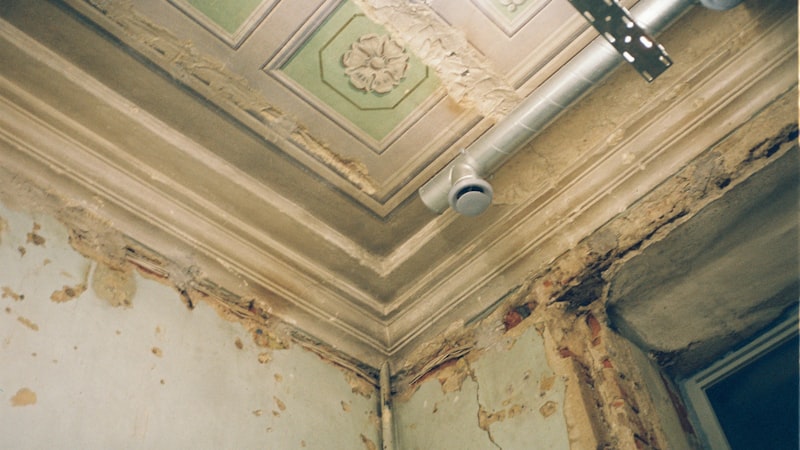
Why is mould growing on my clothes and in my wardrobe?
Mould grows because your wardrobe holds humid, stagnant air against cool surfaces, and fabric gives spores something to feed on. Wardrobes are often placed against cold external walls, packed full, and rarely opened, which traps moisture exactly where it condenses. Add natural fibres like cotton, wool and leather, and you have ideal conditions for mould to colonise clothes within days.
The moisture comes from everyday living: breathing, drying laundry indoors, cooking and showering all release litres of water vapour that settles on the coolest surfaces in a room. When that surface is the back panel of a wardrobe, the result is musty clothes and black spotting on garments and interior walls.
What are the signs of mould in a wardrobe?
The clearest sign is black or green spotting on clothes, shoes and the wardrobe interior, usually paired with a persistent musty smell. Look out for the following:
- Black, green or white speckling on fabric, leather and wooden surfaces
- A damp, earthy or musty odour that clings to clothing
- Condensation or water droplets on the wardrobe back panel
- Clothes feeling cold or slightly damp to the touch
- Discolouration on the wall behind or beside the wardrobe
- Mould appearing worse on items stored against external walls
Is wardrobe mould caused by condensation or a damp problem?
Most wardrobe mould is caused by condensation, but a hidden damp defect can make it far worse. Condensation occurs when warm, moist indoor air meets a cold surface such as an external wall behind a wardrobe. However, penetrating damp from a defective wall, roof or gutter, or rising damp at low level, adds continuous moisture that no amount of ventilation will fix on its own.
Not sure what you're dealing with?
Send us a photo on WhatsApp. We'll tell you what it is, no charge, no obligation.
Telling the two apart matters. Condensation is seasonal and worse in winter, while a structural damp issue persists year round and often leaves tide marks or staining on the wall. A professional mould inspection identifies exactly which mechanism is driving the growth, so you spend money on the right fix rather than guessing.
How do I get rid of mould on clothes and stop it coming back?
Clean affected items promptly, then tackle the moisture and airflow that let the mould grow. Follow this order:
- Remove all clothing and inspect each item, discarding anything heavily contaminated that cannot be washed.
- Wash affected garments at the highest temperature the label allows, or have delicate pieces professionally cleaned.
- Wipe the wardrobe interior with an appropriate mould treatment and let it dry completely before refilling.
- Move the wardrobe a few centimetres off external walls to allow air to circulate behind it.
- Avoid overpacking, leaving gaps between garments so air can move freely.
- Improve ventilation in the room and use a hygrometer to keep relative humidity below 60%.
- Never return damp or slightly moist clothing to the wardrobe.
If mould keeps returning despite these steps, the underlying cause is likely structural or ventilation related and needs assessing. A Damp, Mould and Water Damage Assessment pinpoints moisture sources you cannot see, from cold bridging to defective external walls.
When should I get a professional Damp, Mould and Water Damage Assessment?
Book a survey when mould returns repeatedly, spreads beyond one wardrobe, or comes with damp walls, tide marks or a persistent smell. These signs point to a moisture problem the DIY approach will not resolve. We confirm the price on a written quote once we understand the problem. Our Damp, Mould and Water Damage Assessment (what many people call a damp survey) gives you a full insurance-ready written report with a photographic evidence appendix, clear findings and prioritised recommendations.
That report tells you precisely what is causing the mould, how serious it is, and what to do first, so you can act with confidence. The cost of any remedial work afterwards depends on the source and extent of the moisture, the condition of the affected walls, and the ventilation improvements required, which the survey sets out clearly in words.
Does wardrobe mould affect renters and landlords differently?
Yes, because landlords have a legal duty to deal with damp and mould that affects a tenant’s health or the property’s condition. Under the Renters’ Rights Act and the incoming standards linked to Awaab’s Law, landlords in England face defined timescales to investigate and remedy reported damp and mould hazards. A written survey report gives tenants the evidence to press for action and gives landlords a clear, defensible record of the cause and the recommended fix.
Frequently Asked Questions
Can I still wear clothes that had mould on them?
Why does mould keep coming back in the same wardrobe?
Will a dehumidifier stop wardrobe mould?
Is wardrobe mould dangerous to health?
Arrange your Damp, Mould and Water Damage Assessment with Damp & Mould Solutions UK
Damp & Mould Solutions UK carries out Damp, Mould and Water Damage Assessments across the UK, including London boroughs such as Islington, Camden, Hackney, Wandsworth, Richmond and surrounding boroughs. If mould keeps appearing on your clothes or in your wardrobe, call us on 020 3051 8478 or send photos via WhatsApp for an initial view, and we will advise on the right next step.
If you've got damp, mould, or a leak, you already know it needs sorting.
The longer it sits, the worse it gets. Get in touch and we will agree a date with you. If it is urgent, say so when you call.