

Black Mould in the House: How Serious Is It and What to Do
Black mould in the house is serious: here is what causes it, the health risks, how to remove it safely and when to call a professional.
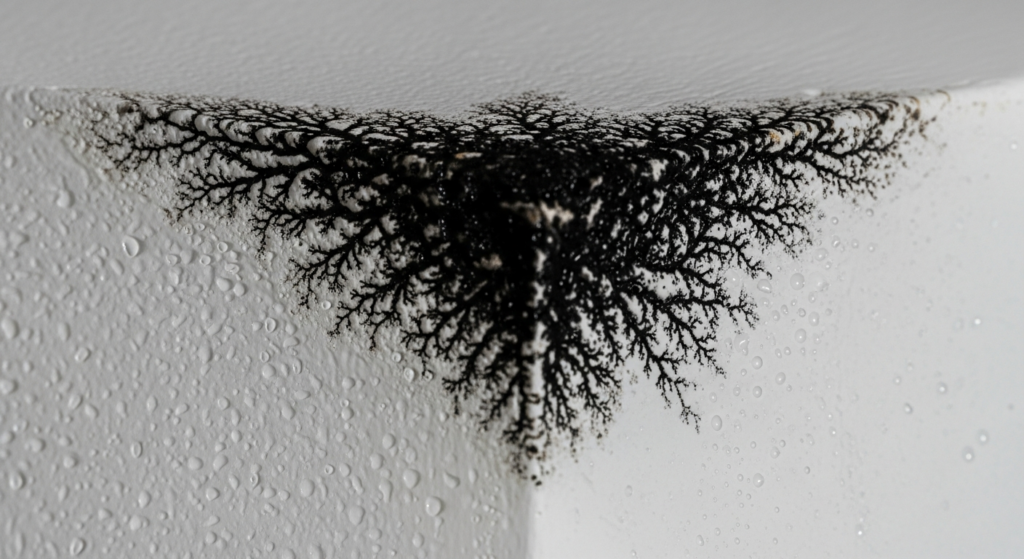
Is black mould in the house dangerous to my health?
Yes, black mould can affect your health, particularly for vulnerable people. The spores and toxins it releases are linked to respiratory irritation, worsened asthma, allergic reactions, coughing and sinus problems. Healthy adults may notice little, but infants, older people and anyone with a weakened immune system or existing lung condition are at greater risk.
Common health symptoms people report when living with black mould include:
- Persistent coughing, wheezing or a tight chest
- Itchy eyes, runny nose or a recurring sore throat
- Worsening asthma or more frequent flare-ups
- Skin irritation or rashes
- Headaches and a general feeling of being unwell at home
What causes black mould to grow in a house?
Black mould grows wherever there is enough moisture, warmth and a surface to feed on, so the real cause is almost always excess dampness. The most frequent triggers are condensation from daily living (cooking, showering, drying clothes indoors), poor ventilation, cold spots on walls, plumbing or roof leaks, and rising or penetrating damp.
Typical problem areas in a home include:
- Bathrooms and kitchens with little extraction
- Bedroom walls behind furniture and in corners
- Window reveals and around single-glazed frames
- Behind appliances and under sinks where leaks hide
- Ground-floor walls affected by rising damp
Because the visible mould is a symptom rather than the root problem, wiping it off without finding the moisture source almost guarantees it returns.
Not sure what you're dealing with?
Send us a photo on WhatsApp. We'll tell you what it is, no charge, no obligation.
Can I remove black mould myself, or do I need a professional?
You can clean small patches of surface mould yourself, but anything widespread or recurring needs professional assessment. A patch smaller than roughly a square metre on a non-porous surface can often be cleaned with proper protective equipment and a suitable mould treatment. Larger areas, mould on plaster or porous materials, or mould that keeps coming back point to a deeper moisture problem.
If you tackle a small area yourself, follow these steps:
- Open windows and wear gloves, a mask and eye protection.
- Avoid brushing dry mould, which scatters spores into the air.
- Apply a dedicated mould remover or fungicidal wash, not just bleach on porous surfaces.
- Wipe gently, then dispose of cloths in a sealed bag.
- Dry the area thoroughly and watch for any return over the following weeks.
If the mould reappears, spreads or covers a large surface, that is the signal to bring in a specialist for a mould inspection rather than repeating temporary fixes.
How do I find out why black mould keeps coming back?
The only reliable way to find out why black mould keeps returning is a thorough survey that identifies the moisture source. We confirm the price on a written quote once we understand the problem. Our Damp, Mould and Water Damage Assessment (what many people call a damp survey) pinpoints exactly what is feeding the growth, whether that is condensation, ventilation failure, a hidden leak or rising damp.
That survey gives you a full insurance-ready written report with a photographic evidence appendix, clear findings and prioritised recommendations, so you know precisely what to fix and in what order. Rather than guessing, you get a documented diagnosis you can act on or share with a landlord, insurer or contractor.
What does it cost to fix black mould properly?
The cost of fixing black mould depends entirely on the underlying cause, which is why diagnosis comes first. Resolving simple condensation through improved ventilation is very different from repairing a roof leak, addressing rising damp or replacing damaged plaster. The extent of the affected area, the materials involved and how long the problem has been present all influence the work required.
Once the cause is confirmed, professional mould remediation treats the affected surfaces and tackles the moisture source so the problem does not simply recur. Your survey report sets out prioritised recommendations in plain language, so you can plan the right works rather than paying for treatments that only mask the issue.
I rent my home. Whose responsibility is the black mould?
If you rent, responsibility for damp and mould usually sits with your landlord when it stems from the building, such as leaks, poor ventilation or structural damp. Under Awaab’s Law, social landlords face strict timeframes to investigate and fix dangerous damp and mould hazards, and the Renters’ Rights Act strengthens protections and accountability for tenants.
A documented survey is powerful here. A full insurance-ready written report with a photographic evidence appendix and clear findings gives you evidence to present to a landlord or letting agent, showing the cause and the recommended remedial action rather than relying on a verbal complaint.
Frequently Asked Questions
Is all black mould toxic?
Does bleach get rid of black mould for good?
How quickly should I act on black mould?
Can black mould come back after treatment?
Arrange your Damp, Mould and Water Damage Assessment with Damp & Mould Solutions UK
Damp & Mould Solutions UK carries out Damp, Mould and Water Damage Assessments across the UK, including central, north, south, east and west London and the surrounding boroughs. If black mould keeps appearing in your home, call us on 020 3051 8478 or send photos via WhatsApp for an initial view, and we will advise on the right next step.
If you've got damp, mould, or a leak, you already know it needs sorting.
The longer it sits, the worse it gets. Get in touch and we will agree a date with you. If it is urgent, say so when you call.