

Landlord Fines for Damp and Mould: What You Could Actually Pay
Landlords can face civil penalties of up to £30,000 per offence and unlimited court fines for damp and mould, plus rent repayment orders and compensation.
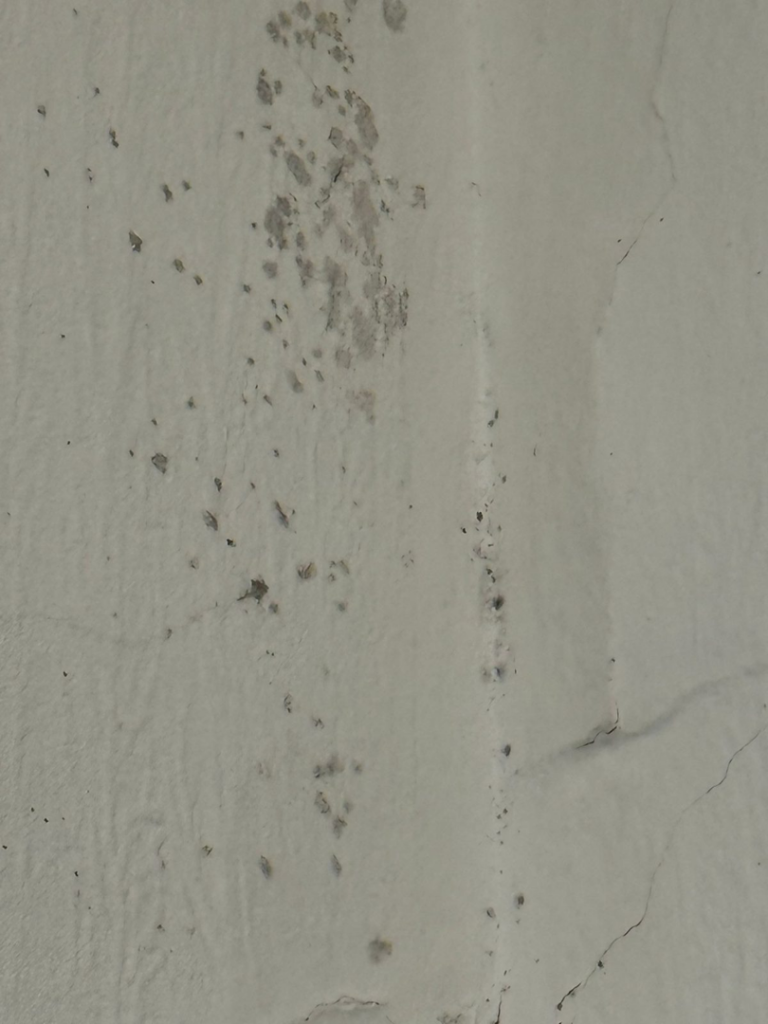
How much can a landlord actually be fined for damp and mould?
A landlord in England can face a civil penalty of up to £30,000 per offence for serious damp and mould hazards, or an unlimited fine if a case goes to court. Councils increasingly use civil penalties because they are quicker to impose and the money is retained by the local authority. The figure depends on the severity of the hazard, the harm caused, the landlord’s track record and whether the failure was deliberate.
These are not the only numbers that matter. A single property with multiple failures can attract more than one penalty, and repeat offenders are treated far more harshly than a landlord dealing with a first, genuinely accidental problem.
What laws set these fines and duties?
Several pieces of legislation sit behind damp and mould enforcement, and they overlap. The core ones are:
- Housing Act 2004: the Housing Health and Safety Rating System (HHSRS) lets councils assess damp and mould as a hazard and enforce repairs, with civil penalties of up to £30,000.
- Homes (Fitness for Human Habitation) Act 2018: requires rented homes to be fit to live in, giving tenants a direct route to sue for compensation.
- Awaab’s Law: introduced under the Social Housing (Regulation) Act, this sets strict timeframes for social landlords to investigate and fix damp and mould once reported.
- Renters’ Rights Act: extends Awaab’s Law style duties and tightens standards across the private rented sector, raising the stakes for slow or ignored repairs.
What triggers a fine or penalty in the first place?
A fine is usually triggered when a tenant reports damp or mould, the landlord fails to act properly, and the council or a court then finds a hazard. Common triggers include:
- Ignoring or delaying a tenant’s written report of damp or mould.
- Blaming the tenant’s lifestyle without investigating the true cause.
- Painting over mould instead of tracing and fixing the source.
- A council inspection finding a Category 1 hazard under HHSRS.
- Failing to meet the response deadlines set by Awaab’s Law or the Renters’ Rights Act.
The pattern that lands landlords in trouble is treating damp as a cosmetic issue. Mould is a symptom. If the underlying cause (a leak, penetrating damp, rising damp or a ventilation defect) is never diagnosed, the problem returns and the paper trail shows the landlord did not act.
Not sure what you're dealing with?
Send us a photo on WhatsApp. We'll tell you what it is, no charge, no obligation.
What can a landlord pay beyond the fine itself?
The fine is often the smallest part of the bill. Beyond any civil penalty or court fine, a landlord can face:
- Rent repayment orders: a tribunal can order up to 12 months of rent to be repaid to the tenant or council.
- Compensation claims: tenants can sue for damaged belongings, ill health and loss of enjoyment of the home.
- Enforced repair costs: if the council does the work, it charges the landlord and can add its costs on top.
- Legal and management fees: defending or resolving a case carries its own expense.
- Banning orders and licensing consequences: serious or repeat offenders can lose the right to let property.
Added together, a case that started as a small patch of mould can cost many times the headline fine.
How do I protect myself as a landlord?
You protect yourself by acting fast, diagnosing the real cause and keeping evidence. Follow these steps whenever damp or mould is reported:
- Log the report with a date and respond to the tenant in writing straight away.
- Arrange a proper inspection quickly, within the timeframes the new rules expect.
- Get the cause diagnosed rather than guessing or assuming it is condensation.
- Keep a written, photographic record of findings and the work carried out.
- Complete the remedial work and confirm resolution with the tenant in writing.
A documented Damp, Mould and Water Damage Assessment is the single strongest piece of evidence a landlord can hold. It shows a council or tribunal that you took the report seriously, found the cause and dealt with it responsibly.
When should I call in a specialist?
Call a specialist as soon as damp or mould is reported and the cause is not obvious, because a written diagnosis is what protects you. At Damp & Mould Solutions UK, our survey begins with full moisture mapping across the affected area to establish exactly where moisture is present and how far it has spread. We use thermal imaging alongside non-destructive, non-invasive leak detection, using acoustic and tracer methods, to trace a source before anything is opened up. Nothing is stripped out on guesswork.
We reach a root-cause diagnosis before any remedial work is agreed. We are the firm that tells you what is actually wrong and why, not one that sells you remedial work you may not need. We confirm the price on a written quote once we understand the problem. It includes full moisture mapping, root-cause diagnosis and a written, insurance-ready report with a photographic evidence appendix, clear findings and prioritised recommendations. If a leak needs tracing to its exact source, we quote for leak detection separately.
To get an initial view, call us on 020 3051 8478 or send photos via WhatsApp and we will tell you what we are seeing before you commit to anything.
Frequently Asked Questions
Is there a maximum fine for damp and mould in a rented home?
Can I blame the tenant’s lifestyle for the mould?
How quickly do I have to respond to a damp report?
Does a damp survey help if I am facing enforcement action?
If you've got damp, mould, or a leak, you already know it needs sorting.
The longer it sits, the worse it gets. Get in touch and we will agree a date with you. If it is urgent, say so when you call.