

Condensation, Damp and Mould: What’s the Difference?
Condensation is the cause, damp is the moisture, and mould is the growth that follows: here is how to tell them apart and fix them.
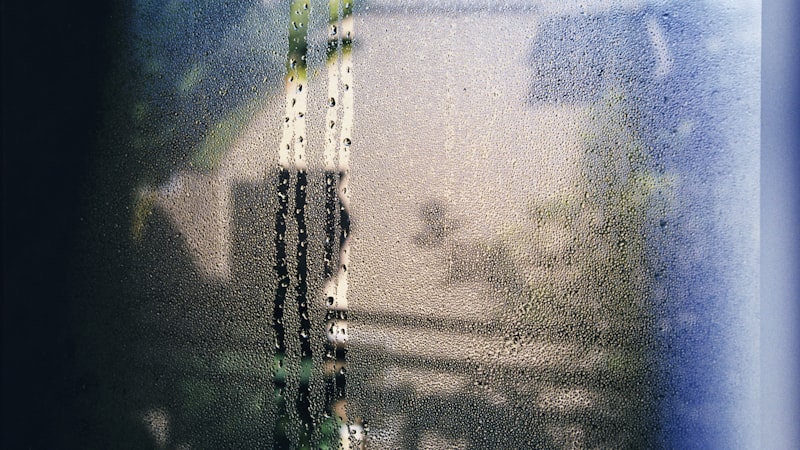
What exactly is the difference between condensation, damp and mould?
Condensation is the process, damp is the moisture, and mould is the biological result. Think of them as a chain of events rather than three separate problems.
Condensation occurs when warm, humid indoor air touches a colder surface (a window, an external wall, a cold corner) and the water vapour turns back into liquid. That liquid is one form of damp. Damp itself is simply unwanted moisture in a building, and it has several possible sources: condensation, rising damp from the ground, or penetrating damp from outside through defective brickwork, roofs or seals. Mould is a fungus that germinates once a surface stays damp for long enough, typically feeding on dust, paint and plaster.
How do I tell condensation damp from rising or penetrating damp?
The location and pattern give it away: condensation appears on cold surfaces and in poorly ventilated rooms, while rising and penetrating damp follow the structure.
Condensation typically shows on windows, in bedroom corners, behind wardrobes and around cold external walls, and it is worst in winter. Rising damp climbs from the floor and rarely goes above one metre, often leaving a tidemark. Penetrating damp appears as isolated patches linked to an external defect such as a cracked render, a failed gutter or a leaking pipe.
- Condensation: water on windows, black speckled mould, musty smell, worse in cold months
- Rising damp: tidemark low on walls, salt deposits, damp skirting boards
- Penetrating damp: localised patches, staining after rain, damp that tracks a leak
Because these overlap in appearance, a proper diagnosis matters. Our Damp, Mould and Water Damage Assessment pins down the true source using moisture readings rather than guesswork.
Not sure what you're dealing with?
Send us a photo on WhatsApp. We'll tell you what it is, no charge, no obligation.
What are the warning signs of a condensation and mould problem?
The clearest signs are water on glass, black mould in corners and a persistent musty smell. These usually appear together and worsen through autumn and winter.
- Streaming or misted windows in the morning
- Black spotted mould on ceilings, corners and window reveals
- Damp, cold external walls that feel wet to the touch
- Peeling paint or bubbling wallpaper
- Mould on clothes, shoes or behind furniture pushed against walls
- A stale, earthy odour that lingers even after cleaning
Black mould matters for health as well as decor, since spores can aggravate asthma and respiratory conditions. A mould inspection identifies the extent of growth and the moisture feeding it.
How do I stop condensation before it becomes mould?
Reduce moisture in the air and keep surfaces warmer, in that order. Condensation control is about managing the balance between humidity, ventilation and heat.
- Ventilate daily: open windows or use trickle vents to let moist air out.
- Use extractor fans in kitchens and bathrooms, and keep doors shut while cooking or showering.
- Avoid drying washing on radiators indoors, or use a vented tumble dryer.
- Keep low background heat rather than short intense bursts, so walls stay above dew point.
- Pull furniture a few centimetres off external walls to let air circulate.
These steps cut everyday condensation, but they will not fix structural damp or a hidden leak. If the problem persists despite good habits, the cause lies deeper.
When should I get a professional Damp, Mould and Water Damage Assessment?
Book a survey when mould keeps returning, when the cause is unclear, or when you need written evidence for a landlord, insurer or sale. Guesswork wastes money on the wrong repairs.
We confirm the price on a written quote once we understand the problem. You receive a full insurance-ready written report with a photographic evidence appendix, clear findings and prioritised recommendations, so you know exactly what is wrong and what to tackle first. It removes the ambiguity between condensation, rising and penetrating damp before anyone lifts a tool.
What affects the cost of putting the problem right?
The survey itself is fixed, but the cost of any remedial work depends on the cause and its severity. We do not quote figures for repairs without seeing the evidence first.
Several factors influence what fixing the problem involves: whether the issue is condensation, rising or penetrating damp, how far it has spread, the type of wall construction, the extent of mould contamination, and whether the source is a simple ventilation shortfall or a structural defect. The survey report sets these out clearly and prioritises them, so any contractor works from facts rather than assumptions.
Frequently Asked Questions
Can condensation cause rising damp?
Is black mould always caused by condensation?
Will cleaning mould off the wall solve the problem?
How long does a Damp, Mould and Water Damage Assessment take?
If you've got damp, mould, or a leak, you already know it needs sorting.
The longer it sits, the worse it gets. Get in touch and we will agree a date with you. If it is urgent, say so when you call.