

How to Get Rid of Damp in a Bedroom
Learn how to get rid of damp in a bedroom by identifying the true cause, fixing the source, and knowing when a professional survey is needed.
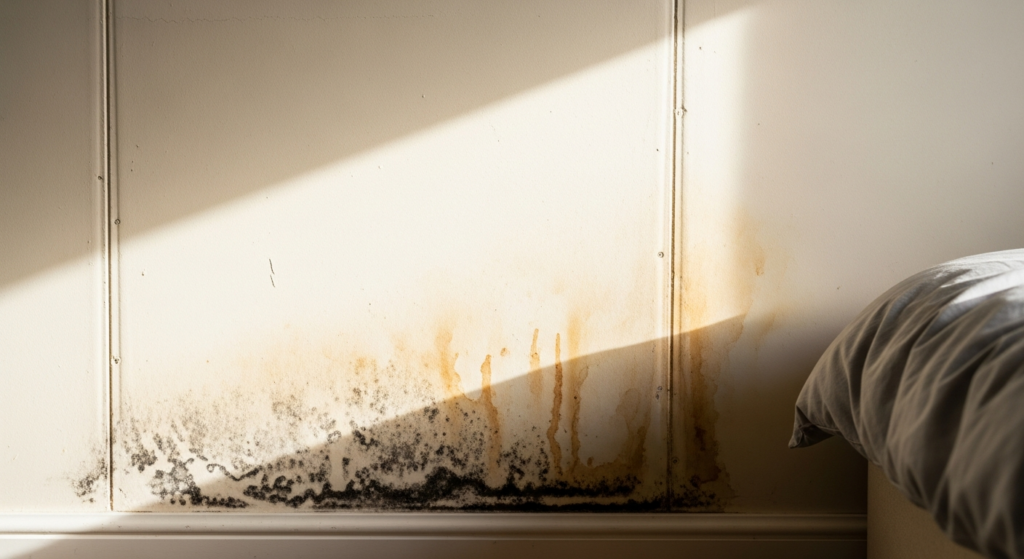
Damp in a bedroom is more than a cosmetic nuisance. It damages plaster, ruins furniture and contributes to poor sleep and respiratory problems. The key to fixing it permanently is diagnosis: bedrooms suffer from several types of damp, and each demands a different remedy.
What causes damp in a bedroom?
Most bedroom damp is condensation, caused by warm, moisture-laden air meeting cold surfaces such as windows, external walls and ceiling corners. We breathe out litres of moisture overnight, and a closed bedroom door traps it. Less commonly, the cause is penetrating damp (water entering through a defective wall, roof or window) or rising damp (groundwater drawn up through walls where a damp-proof course has failed or is bridged).
Identifying which type you have matters, because treating condensation as if it were rising damp wastes money and solves nothing. A Damp, Mould and Water Damage Assessment uses moisture readings and a methodical inspection to confirm the true source before any work begins.
What are the signs of damp in a bedroom?
The clearest signs of bedroom damp are visible moisture, discolouration and a persistent musty smell. Watch for the following:
- Black spotted mould on walls, ceilings, window reveals and behind furniture
- Condensation running down windows in the morning
- Peeling wallpaper or blistering, flaking paint
- A damp, earthy or musty odour that lingers
- Cold, wet patches on external walls
- A tide mark low on the wall, often a sign of rising damp
- Mildew on curtains, mattresses or clothing in wardrobes
How do I get rid of condensation damp in a bedroom?
To get rid of condensation damp, reduce moisture in the air, improve ventilation and keep surfaces warmer. Follow these steps:
- Open windows or use trickle vents daily to let moist air escape, especially first thing in the morning.
- Keep the bedroom door open during the day to prevent humid air pooling.
- Avoid drying laundry on radiators inside the bedroom, as this releases large volumes of moisture.
- Move beds and wardrobes a few centimetres off external walls to allow air to circulate.
- Maintain gentle, consistent background heating to reduce cold spots where condensation forms.
- Consider an extractor fan or positive input ventilation if humidity is persistently high.
These measures cut moisture at the source. If damp persists after improving ventilation and heating, the cause is likely structural and needs investigation.
Not sure what you're dealing with?
Send us a photo on WhatsApp. We'll tell you what it is, no charge, no obligation.
When should I get a professional damp survey?
You should get a professional survey when damp keeps returning, spreads, or you cannot identify the source yourself. Recurring mould, an unexplained musty smell, or damp that worsens despite better ventilation all signal a deeper problem that guesswork will not solve.
We confirm the price on a written quote once we understand the problem. You receive a full insurance-ready written report with a photographic evidence appendix, clear findings and prioritised recommendations, so you know exactly what is wrong and what to do about it in order of importance. A focused mould inspection can also confirm whether visible growth is linked to condensation or a hidden water ingress problem.
How much does it cost to fix damp in a bedroom?
The cost to fix bedroom damp depends entirely on the cause and its severity, which is why a proper diagnosis comes first. Condensation often responds to ventilation and heating improvements, while penetrating or rising damp may require repairs to walls, roofing or the damp-proof course.
Factors that affect the eventual cost include the type of damp, how far it has spread, the extent of damaged plaster, and whether structural defects need addressing. We do not quote remedial figures blind. The survey gives you the prioritised, evidence-based report you need to plan and budget work accurately, rather than paying for treatments that may not be necessary.
Is my landlord responsible for damp in my bedroom?
Yes, in most rented homes the landlord is responsible for fixing damp caused by structural defects, disrepair or inadequate ventilation. Under Awaab’s Law, social landlords must investigate and address damp and mould hazards within strict timeframes, and the Renters’ Rights Act strengthens tenants’ ability to demand safe, healthy housing.
If you rent, report the problem in writing and keep records. A professional survey provides the documented, insurance-ready evidence that supports your case and obliges action where a property is unfit. For private and social tenants alike, a clear written report removes ambiguity about cause and responsibility.
Arrange your Damp, Mould and Water Damage Assessment
Damp & Mould Solutions UK carries out Damp, Mould and Water Damage Assessments across the UK, including London boroughs such as Camden, Islington, Hackney, Wandsworth, Lambeth, Southwark, Greenwich and the surrounding boroughs. To get an initial view, call us on 020 3051 8478 or send photos of the affected area via WhatsApp, and we will advise on the likely cause and next steps before arranging a full survey.
Frequently Asked Questions
Can a dehumidifier get rid of bedroom damp?
Why does damp keep coming back in my bedroom?
Is bedroom damp dangerous to health?
How long does a Damp, Mould and Water Damage Assessment take?
If you've got damp, mould, or a leak, you already know it needs sorting.
The longer it sits, the worse it gets. Get in touch and we will agree a date with you. If it is urgent, say so when you call.