

What Counts as a Category 1 Damp Hazard?
A Category 1 damp hazard is the most serious HHSRS rating, meaning damp or mould poses a serious risk to health that landlords must act on.
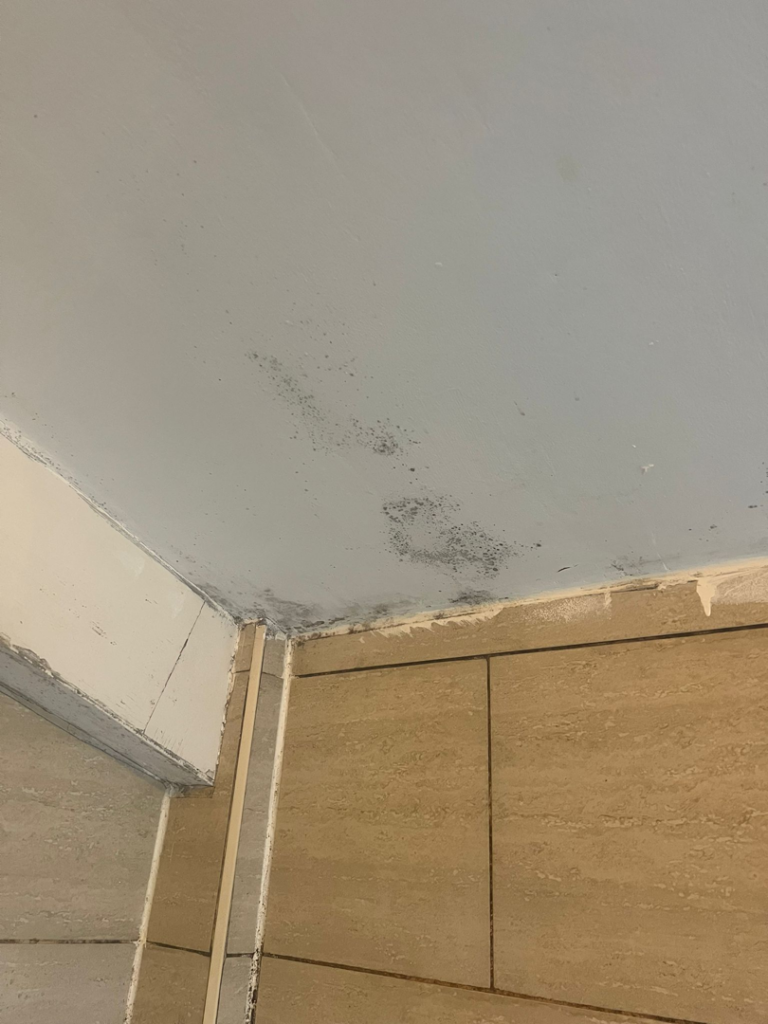
What is a Category 1 damp hazard?
A Category 1 damp hazard is the highest severity band under the Housing Health and Safety Rating System (HHSRS), the framework local authorities use to assess health and safety risks in homes. Damp and mould are one of 29 hazards the HHSRS covers, and each case is scored on how likely it is to cause harm and how serious that harm could be. When the score crosses a set threshold, the hazard becomes Category 1, which is the level that triggers a legal duty to act.
The rating is not about the appearance of the damp alone. It reflects the real risk to the people living there. The same patch of mould can be Category 1 in a home with a young child, an elderly resident or someone with asthma, and a lower rating in a home with no vulnerable occupants. The occupant, the extent of the growth and the underlying cause all feed into the outcome.
What are the signs of a Category 1 damp hazard?
The clearest sign of a possible Category 1 damp hazard is widespread, persistent mould or damp that is affecting how a home can be used or lived in. While only a formal assessment confirms the category, the following point to serious risk:
- Large or spreading areas of black mould, often more than one square metre or across several rooms.
- Damp that returns quickly after cleaning, showing an unresolved source.
- Mould in bedrooms or on surfaces close to where people sleep or breathe for long periods.
- A strong, persistent musty smell that does not clear with ventilation.
- Damp linked to a leak, rising damp or penetrating damp rather than surface condensation alone.
- Occupants with respiratory symptoms, allergies or other conditions made worse by the damp.
How do I tell a Category 1 hazard from a Category 2 hazard?
The difference is the level of risk to health and safety, with Category 1 being the more serious band that local authorities must take action on. Category 2 hazards are lower scoring and, while a council can still act, they are not under the same legal duty. To gauge which you may be dealing with, work through this quick self-check:
- Look at the extent. Isolated surface condensation on a single window reveal points to a lower risk than mould spreading across walls and ceilings.
- Check whether it keeps coming back. Damp that reappears within days of cleaning suggests an ongoing source and a higher rating.
- Consider who lives there. Children, older residents and anyone with respiratory or immune conditions raise the risk score.
- Identify the likely cause. Condensation is often manageable, while a leak or structural damp usually signals a more serious problem.
- Note any health effects already occurring, such as coughing, wheezing or worsening asthma.
This gives you an informed view, but only a formal HHSRS assessment by a local authority, or a detailed Damp, Mould and Water Damage Assessment by a qualified surveyor, can establish the true cause and severity.
Not sure what you're dealing with?
Send us a photo on WhatsApp. We'll tell you what it is, no charge, no obligation.
What does a Category 1 damp hazard mean for landlords?
For landlords, a Category 1 damp hazard means a legal duty to act, and local authorities must take enforcement action where one is found. Councils can issue improvement notices, carry out emergency remedial work or, in serious cases, prohibit use of part of the property. Ignoring a confirmed Category 1 hazard can lead to fines and further enforcement.
The rules have tightened. Under Awaab’s Law, social landlords face fixed timescales to investigate and fix reported damp and mould hazards, and the Renters’ Rights Act extends similar expectations across the rented sector. The safest position for any landlord is to establish the cause quickly through a proper survey, then evidence the work carried out. A written report with dated photographs protects you if the standard of the property is ever questioned.
When should I call in a specialist?
Call in a specialist as soon as damp or mould is widespread, keeps returning, or is affecting a vulnerable occupant, because at that point you need the cause identified, not guessed at. A proper survey starts with full moisture mapping across the affected area, so the true extent of the damp is measured rather than estimated. We use thermal imaging alongside non-destructive, non-invasive leak detection, including acoustic and tracer methods, to trace a source before anything is opened up. Only once the root cause is diagnosed do we agree what work is genuinely needed.
We are the firm that diagnoses the cause, not one that sells remedial work off the back of a quick look, so our findings tell you what is actually driving the problem and what will resolve it. A Damp, Mould and Water Damage Assessment (what many people call a damp survey) includes full moisture mapping, root-cause diagnosis and a written, insurance-ready report with a photographic evidence appendix, clear findings and prioritised recommendations. Where a leak needs tracing to its exact source, we also carry out leak detection. We confirm the price on a written quote once we understand the problem.
To get an initial view, call 020 3051 8478 or send photos via WhatsApp and we will tell you what we are seeing and what the next step should be.
Frequently Asked Questions
Who decides if damp is a Category 1 hazard?
Is all black mould a Category 1 hazard?
Does a survey prove whether I have a Category 1 hazard?
How quickly should a Category 1 damp hazard be dealt with?
If you've got damp, mould, or a leak, you already know it needs sorting.
The longer it sits, the worse it gets. Get in touch and we will agree a date with you. If it is urgent, say so when you call.