

Why Are the Walls Wet Inside My House?
Wet walls inside your house point to a leak, penetrating damp, rising damp, or condensation, and pinpointing the true cause prevents wasted repairs.
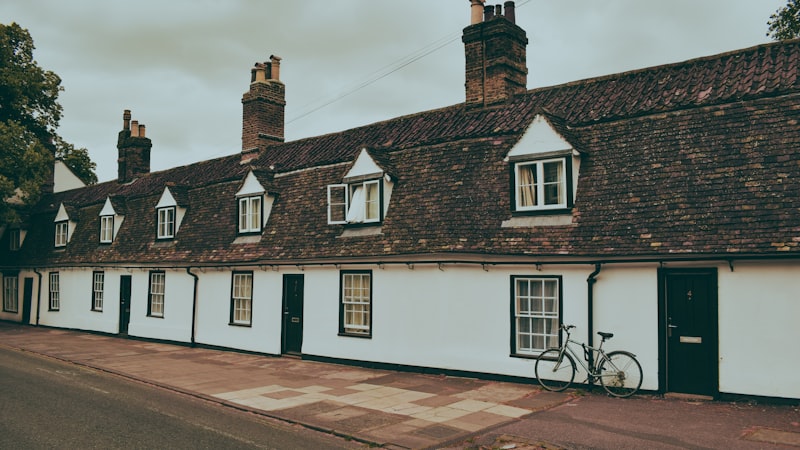
What causes wet walls inside a house?
Wet internal walls almost always come down to one of four causes: a plumbing or roof leak, penetrating damp, rising damp, or condensation. Each looks similar on the surface but demands a different repair, which is why guessing is expensive. A leaking pipe behind plaster produces a localised wet patch, while penetrating damp spreads inward after heavy rain. Rising damp forms a band low on the wall, and condensation coats cold surfaces and settles in corners.
- Leaking pipes, waste connections, or roof and gutter faults
- Penetrating damp through cracked render, failed pointing, or gaps around windows
- Rising damp where a damp-proof course is missing, bridged, or failed
- Condensation from cooking, showering, drying laundry, and poor ventilation
How do I tell condensation from a leak or rising damp?
Condensation appears on cold surfaces and in poorly ventilated corners, whereas a leak or rising damp comes from inside the structure. Condensation typically shows as black mould on the coldest parts of a room: window reveals, behind furniture, and in ceiling corners. It worsens in winter and improves with better ventilation. A leak produces a defined wet area that stays damp regardless of the weather, and it often expands over days. Rising damp sits within roughly a metre of the floor and can leave a tide mark with salt deposits.
Why is only one wall or one patch wet?
A single wet wall or isolated patch usually signals a leak or localised penetrating damp rather than a whole-house problem. An external wall that gets driving rain, or one sharing a bathroom or kitchen, is a common culprit. Chimney breasts, the wall beneath a window, and areas near external ground raised above the damp-proof course all concentrate moisture. Because the visible wet mark rarely sits directly over the source, tracing it accurately calls for proper leak detection rather than opening up plaster on a hunch.
Not sure what you're dealing with?
Send us a photo on WhatsApp. We'll tell you what it is, no charge, no obligation.
What are the warning signs I should not ignore?
Act quickly if you notice damp spreading, staining, or a musty smell, because moisture damages plaster, timber, and health the longer it sits. Small problems become costly ones when water reaches skirtings, joists, and electrics.
- Dark patches or tide marks that grow over days or weeks
- Blistering, bubbling, or crumbling plaster and paint
- Peeling wallpaper or a chalky, salty residue on the surface
- Black mould in corners, on reveals, or behind furniture
- A persistent musty smell, damp to the touch, or cold, sweating walls
How does a survey find the real cause?
A survey combines moisture readings, thermal and visual inspection, and structural checks to confirm the cause before any repair is specified. Rather than treating the symptom, a surveyor establishes whether water is entering from outside, rising from below, escaping from a pipe, or forming from indoor humidity.
- Inspect the affected walls and the matching external elevations
- Take comparative moisture readings across the wall and at floor level
- Check plumbing, roofing, guttering, and ground levels for entry points
- Assess ventilation, heating patterns, and where moisture is generated
- Confirm the diagnosis, then set out prioritised recommendations
We confirm the price on a written quote once we understand the problem. Our Damp, Mould and Water Damage Assessment produces a full insurance-ready written report with a photographic evidence appendix, clear findings, and prioritised recommendations you can act on with confidence.
What will it cost to fix wet walls?
Repair cost depends entirely on the cause, so a firm figure only makes sense once the source is confirmed. A dripping joint traced and sealed is a modest job, while re-rendering an elevation, renewing a damp-proof course, or upgrading ventilation across several rooms sits at the larger end. Factors that move the price include the extent of the moisture, how much plaster and timber has been affected, access, and whether the external fabric needs work. The survey gives you the evidence to compare quotes fairly and avoid paying for the wrong treatment.
Frequently Asked Questions
Can wet walls dry out on their own?
Is a wet wall dangerous?
How long does a Damp, Mould and Water Damage Assessment take?
Will the survey tell me exactly what to fix?
If you've got damp, mould, or a leak, you already know it needs sorting.
The longer it sits, the worse it gets. Get in touch and we will agree a date with you. If it is urgent, say so when you call.