

Black Mould in the Bedroom: Why It Appears and How to Remove It
Black mould in the bedroom is usually caused by overnight condensation on cold surfaces, and recurring growth signals a moisture problem needing a proper survey.
Why does black mould appear in the bedroom specifically?
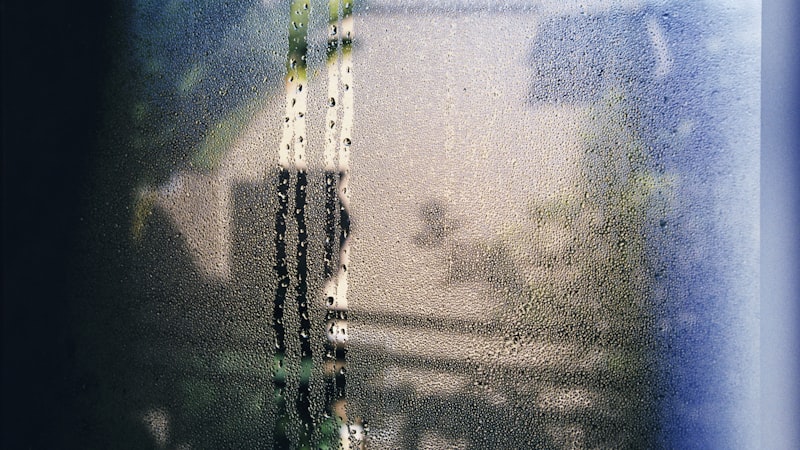
Bedrooms are prime sites for black mould because they combine high overnight moisture with low temperatures and limited airflow. A sleeping adult releases roughly half a litre of moisture into the air each night through breathing and perspiration. With doors closed and windows shut, that moisture has nowhere to go, so it condenses on the coldest surfaces in the room.
The usual hotspots are:
- External walls, particularly behind wardrobes and headboards where air cannot circulate
- Window reveals and around the frames
- Ceiling corners on north-facing or exposed walls
- Behind furniture pushed tight against cold walls
- Skirting boards and lower wall sections near external corners
Wherever warm, damp air meets a cold surface, condensation forms. Given a few days of moisture and a little dust to feed on, black mould (often Aspergillus or Cladosporium) takes hold.
Is black mould in the bedroom dangerous to health?
Yes, prolonged exposure to bedroom black mould can affect health, especially for children, older people and anyone with asthma or a weakened immune system. Because you spend seven or eight hours a night breathing the air in this room, bedroom mould deserves particular attention.
Common effects include a runny or blocked nose, sneezing, itchy eyes, coughing, wheezing and worsening asthma symptoms. The spores and their fragments circulate in the air you sleep in, so even a small patch behind a wardrobe can have a disproportionate impact overnight.
How do I remove black mould from bedroom walls?
Small patches under roughly one square metre can usually be treated yourself with a fungicidal wash, provided you protect yourself properly. Follow these steps in order:
- Open the window and wear disposable gloves, an FFP2 or FFP3 mask and eye protection.
- Move furniture away from the affected wall so you can reach the full extent of the growth.
- Apply a proprietary fungicidal wash to the mould and surrounding area, following the product instructions. Avoid dry brushing, which flicks spores into the air.
- Wipe away the dead growth with disposable cloths and bag them immediately for disposal.
- Let the surface dry completely, then apply a second treatment to inhibit regrowth.
- Launder or discard soft furnishings, curtains and bedding that show contamination.
Never simply paint over black mould. It will bleed through and return, because the underlying moisture problem remains untouched. If the mould covers a large area, keeps coming back, or sits on plaster that feels soft or damp, professional mould remediation is the safer route.
Not sure what you're dealing with?
Send us a photo on WhatsApp. We'll tell you what it is, no charge, no obligation.
Why does the black mould keep coming back after I clean it?
Mould returns because cleaning removes the growth but not the moisture that caused it. Fungicide treats the symptom. Until you address the source of the damp, spores will recolonise the same cold, wet surfaces within weeks.
Recurring bedroom mould points to one or more underlying issues:
- Condensation from poor ventilation and daily moisture that has nowhere to escape
- Cold bridging where parts of the structure stay markedly colder than the rest
- Penetrating damp from a defect such as failed pointing, a leaking gutter or a cracked render
- Rising damp affecting the lower sections of walls
- A plumbing or roof leak feeding moisture into the fabric
Condensation and a genuine building fault can look identical on the surface. Distinguishing between them reliably requires a proper Damp, Mould and Water Damage Assessment using moisture readings and a trained assessment, not guesswork.
What does a professional Damp, Mould and Water Damage Assessment involve?
We confirm the price on a written quote once we understand the problem. Our Damp, Mould and Water Damage Assessment (what many people call a damp survey) pinpoints exactly why mould is appearing so the right remedy can be applied once. A surveyor inspects the affected rooms, takes moisture and humidity readings, examines ventilation and identifies whether the cause is condensation, penetrating damp, rising damp or a leak.
You receive a full insurance-ready written report with a photographic evidence appendix, clear findings and prioritised recommendations. That means you know what to fix first, what can wait, and precisely what the evidence shows, which is invaluable for making decisions or supporting a claim.
The cost of any remedial work beyond the survey depends on the cause and its extent: improving ventilation is a different scale of task from repairing a structural defect or replastering after a leak. The survey establishes which of these you are actually dealing with, so you never spend money treating the wrong problem.
Arrange your Damp, Mould and Water Damage Assessment
Damp & Mould Solutions UK carries out Damp, Mould and Water Damage Assessments across the UK, including London boroughs such as Camden, Islington, Hackney, Wandsworth, Lambeth, Southwark, Richmond and the surrounding boroughs. Call us on 020 3051 8478 or send photos of your bedroom mould via WhatsApp for an initial view before we visit.
Frequently Asked Questions
Can I sleep in a bedroom with black mould?
Will opening the window stop bedroom mould?
Does black mould behind a wardrobe mean the wall is damp?
How much does a Damp, Mould and Water Damage Assessment cost?
If you've got damp, mould, or a leak, you already know it needs sorting.
The longer it sits, the worse it gets. Get in touch and we will agree a date with you. If it is urgent, say so when you call.