

Why Damp Keeps Coming Back in Hackney Terraces
Damp and mould in Hackney's period terraces is usually misdiagnosed; a Damp, Mould and Water Damage Assessment pinpoints the real cause and protects you from wasted remedial work.
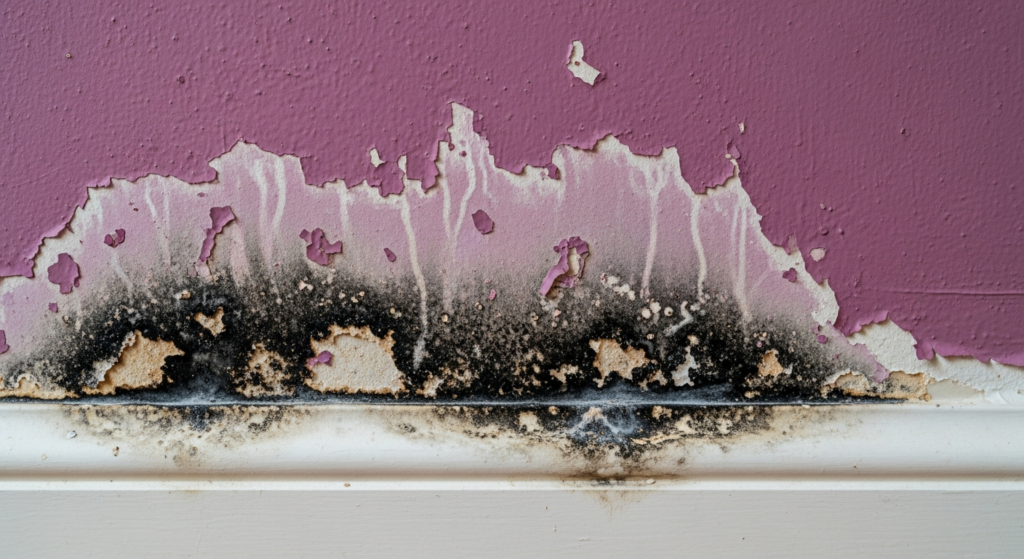
Hackney’s period housing stock is beautiful and problematic in equal measure. The combination of solid brick walls, original lime construction altered over decades, and modern living habits creates damp patterns that are frequently misdiagnosed. Below we explain what actually goes wrong in these properties and how a proper survey settles the question.
Why are Hackney’s Victorian and Georgian terraces prone to damp?
These terraces are prone to damp because they were built with solid walls and breathable lime, then later sealed with materials that trap moisture. Georgian and early Victorian homes in areas like De Beauvoir, Stoke Newington and Clapton typically have no cavity, so wind-driven rain passes through brick more readily. When owners apply cement render, gypsum plaster or modern masonry paint, water that once evaporated outward becomes locked inside the wall, surfacing as patches and salting on the inside face.
Is it rising damp or something else?
In most Hackney terraces the answer is something else, because true rising damp is far rarer than the term suggests. The original slate or bitumen damp-proof course may still function, and what looks like rising damp is often penetrating damp, condensation, or moisture bridging across raised external ground and pavement levels. A reliable diagnosis depends on a methodical Damp, Mould and Water Damage Assessment that measures moisture at depth, checks salts, and rules causes in or out rather than guessing from a surface meter reading.
What are the warning signs in a period terrace?
The warning signs differ by cause, and spotting the pattern early prevents expensive timber and plaster damage. Watch for the following:
- Tide marks or blistering plaster low on internal walls
- Black spot mould in corners, behind furniture and around windows
- Damp, musty smells in basements, cellars and ground-floor rooms
- White fluffy salt deposits on brick or plaster
- Peeling paint on external render or rotting window joinery
- Cold, sweating walls in bathrooms and kitchens after use
- Damaged or blocked airbricks at the base of the front elevation
Subfloor ventilation matters enormously in these homes. When original airbricks are painted over, blocked by raised patios, or buried below new path levels, suspended timber floors lose airflow and rot quietly underneath.
Not sure what you're dealing with?
Send us a photo on WhatsApp. We'll tell you what it is, no charge, no obligation.
How does a survey diagnose the problem?
A survey diagnoses the problem by combining external inspection, internal moisture profiling and an assessment of ventilation and construction history in a single structured visit. The process runs as follows:
- External assessment of brickwork, render, pointing, ground levels and rainwater goods
- Internal moisture readings taken at multiple depths, not just the surface
- Inspection of subfloor voids, airbricks and any cellar or basement areas
- Evaluation of ventilation, heating and occupancy patterns linked to condensation
- Identification of mould type, spread and the moisture feeding it
You then receive a full insurance-ready written report with a photographic evidence appendix, clear findings and prioritised recommendations. It tells you what is causing the problem, what to fix first, and what can wait, so you are not paying for remedial work that does not address the actual fault.
What does it cost to fix damp in a Hackney terrace?
The fixed cost is the survey; the cost of any remedial work depends on factors that only a survey can establish. The main influences are the cause and its extent, whether solid walls need breathable replastering, the condition of subfloor timbers, the state of external pointing and render, and the scale of any mould remediation required. We give you the evidence and the priorities in writing so you can obtain accurate quotes and avoid unnecessary treatments.
What should Hackney landlords know about damp compliance?
Landlords should know that damp and mould are now firmly within legal duties, and a documented survey is the strongest protection. Under Awaab’s Law and the Renters’ Rights Act, landlords face defined obligations to investigate and address damp and mould hazards within set timeframes rather than dismissing them as lifestyle issues. A clear written report with photographic evidence demonstrates that you investigated promptly and acted on professional findings, which matters if a tenant complaint escalates.
Arrange your Damp, Mould and Water Damage Assessment in Hackney
Damp & Mould Solutions UK carries out Damp, Mould and Water Damage Assessments across Hackney, including Stoke Newington, Clapton, Dalston, De Beauvoir and Shoreditch, as well as surrounding London boroughs. Call 020 3051 8478 to discuss your property, or send photos via WhatsApp for an initial view before we attend.
Frequently Asked Questions
Is rising damp common in Hackney terraces?
How long does a survey take?
Why should I not just inject a damp-proof course?
Do you serve areas outside Hackney?
If you've got damp, mould, or a leak, you already know it needs sorting.
The longer it sits, the worse it gets. Get in touch and we will agree a date with you. If it is urgent, say so when you call.