

How to Treat Damp Walls Before Decorating
Treating damp walls before decorating means fixing the moisture source, drying the wall fully, then preparing the surface so your decoration lasts.
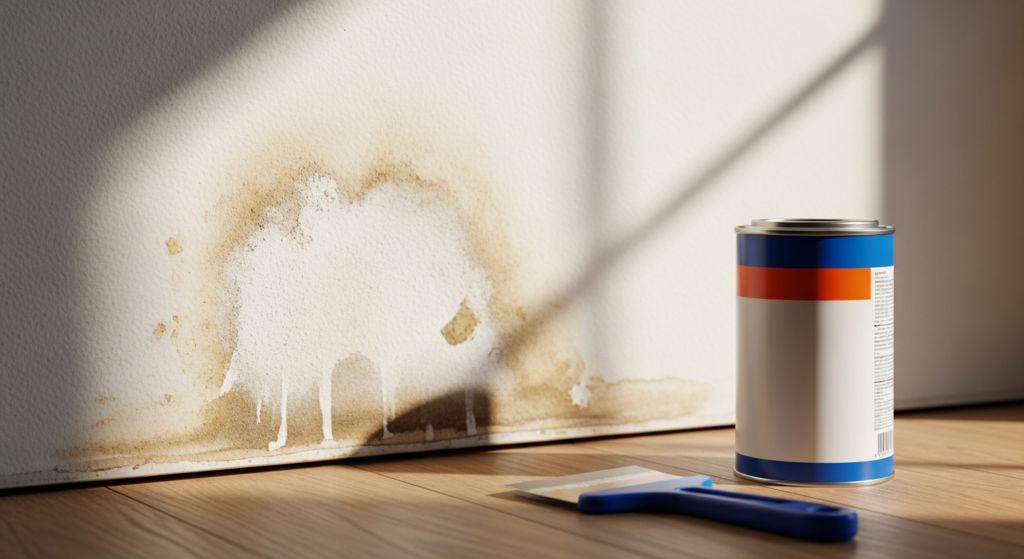
Painting or papering over a damp wall hides the problem for a short while, then the finish blisters, stains and peels. Lasting results depend on diagnosing the cause first, drying the structure properly, and treating the wall before any decoration goes near it.
Can you decorate over a damp wall?
No, you should never decorate over a damp wall. Paint, wallpaper and filler all trap moisture against the surface, which leads to bubbling, brown tide marks, flaking and recurring mould, often within a few weeks. Moisture also breaks down adhesive and emulsion, so the cosmetic fix becomes a repeated expense.
The only reliable approach is to remove the moisture source, dry the wall, then decorate. Skipping the diagnosis stage is the single most common reason redecoration fails on damp-affected walls in older properties.
How do you find the cause of a damp wall?
You find the cause by establishing which type of damp you are dealing with, because each has a different fix. The three main causes behave differently and leave different signs.
- Penetrating damp: isolated wet patches that worsen after rain, often near gutters, cracked render or failed pointing.
- Rising damp: a tide mark up to around a metre from the floor, with salt deposits and damp skirtings.
- Condensation: surface moisture and black mould in corners, behind furniture and around windows, worse in winter.
Guessing wastes money, because the treatment for condensation will not solve penetrating damp. A proper Damp, Mould and Water Damage Assessment measures moisture in the wall, checks the source and tells you exactly what needs to happen before decorating. We confirm the price on a written quote once we understand the problem. Our Damp, Mould and Water Damage Assessment (what many people call a damp survey) includes a full insurance-ready report with a photographic evidence appendix.
How long should a damp wall dry before decorating?
A damp wall should be fully dry before decorating, and depending on how saturated it was and the wall construction, this can take weeks to several months. Solid masonry holds moisture far longer than plasterboard, and thick London brickwork can dry slowly even after the source is fixed.
Not sure what you're dealing with?
Send us a photo on WhatsApp. We'll tell you what it is, no charge, no obligation.
Rushing this stage is the main cause of failure. The wall must reach a stable, low moisture reading before any sealer or paint is applied. For heavily affected walls, controlled structural drying speeds the process and confirms the wall has genuinely dried out rather than simply feeling dry on the surface.
How do you treat a damp wall step by step?
You treat a damp wall by fixing the source, drying the structure, then preparing the surface before decorating. Follow this order.
- Fix the moisture source: repair leaks, pointing, render, guttering or improve ventilation for condensation.
- Strip back affected paint, wallpaper and any blown or salt-contaminated plaster.
- Allow the wall to dry fully, using structural drying where needed.
- Treat mould with an appropriate fungicidal wash and address any salt contamination.
- Replaster or apply a suitable sealer or breathable finish chosen to match the wall type.
- Decorate only once moisture readings confirm the wall is dry and stable.
What this costs beyond the survey depends on the cause, the extent of damage, whether replastering is needed, and access to the affected area. We set this out in plain terms in the written report so you can plan the work.
Should you use a breathable paint or a sealer?
It depends on the wall and the cause of the damp. Breathable finishes let moisture vapour escape and suit solid masonry and older properties where trapping moisture would cause harm. Sealers and damp-resistant systems suit specific situations, such as managing residual salts after the source is resolved.
The wrong product can make things worse: sealing a wall that still needs to breathe can push moisture elsewhere and cause fresh damage. The survey identifies the wall construction and recommends the correct finish, so you decorate once and it lasts.
Do I need a survey before treating damp walls?
Yes, a survey is strongly advised whenever damp keeps returning, the cause is unclear, or the wall is significantly affected. A clear diagnosis prevents you spending money on the wrong treatment and decorating that fails. Our survey gives you a full insurance-ready report with a photographic evidence appendix covering the cause, the moisture levels and the steps needed before decorating.
For a single minor patch with an obvious, fixed cause, you may proceed carefully. For anything recurring, widespread or unexplained, get it diagnosed first.
Frequently Asked Questions
Can I just use anti-damp paint and skip the rest?
How do I tell rising damp from condensation?
Will the wall need replastering?
How much does a Damp, Mould and Water Damage Assessment cost?
If you've got damp, mould, or a leak, you already know it needs sorting.
The longer it sits, the worse it gets. Get in touch and we will agree a date with you. If it is urgent, say so when you call.