

Mould Removal London: When to Call a Specialist and What to Expect
Learn when to call a mould removal specialist in London, what professional remediation involves, who is responsible in rented homes, and how survey costs work.
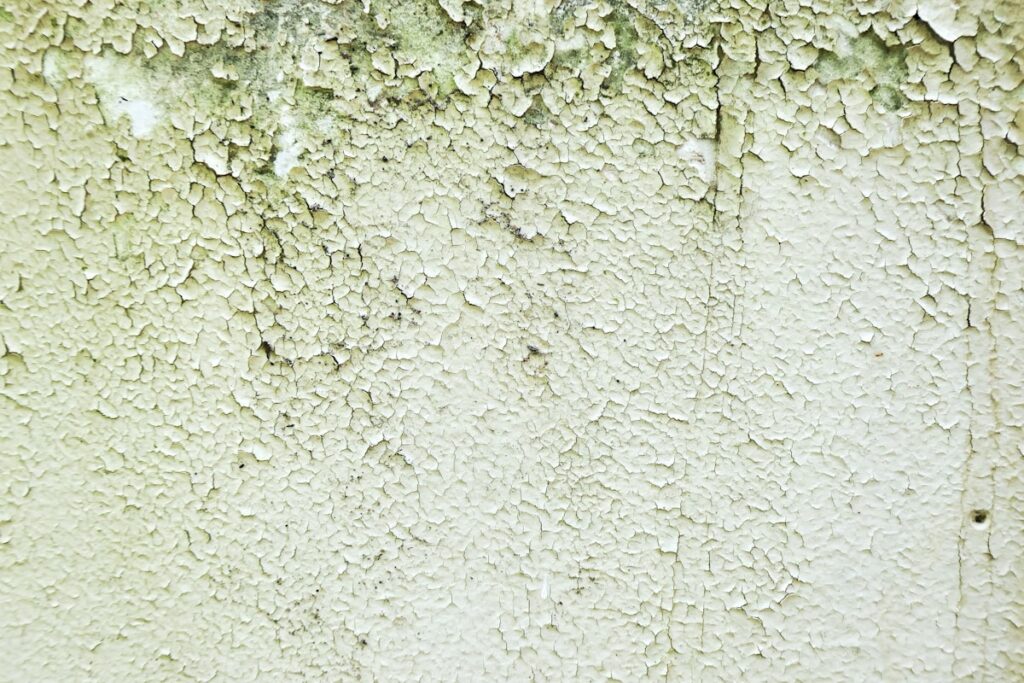
Mould growth is one of the most frequently reported property issues across the UK. It appears most commonly in bathrooms, kitchens, bedrooms with poor ventilation, and on external walls in older properties. While surface mould can sometimes be cleaned, many cases require professional assessment and treatment, particularly where the underlying cause has not been identified or addressed.
When is professional mould removal necessary?
Professional mould removal is necessary when surface cleaning fails to resolve the problem, because the spores remain in the substrate and the mould returns unless the moisture source is eliminated. The following situations typically require specialist intervention:
- Mould returns within a few weeks of cleaning, suggesting an ongoing moisture source
- Mould covers a large area, typically greater than one square metre
- There is mould growth inside wall cavities, behind plasterboard or under flooring
- Occupants are experiencing persistent respiratory symptoms, worsening asthma or skin irritation
- The property has had a water leak, flood or sustained damp problem
- Black mould (Stachybotrys chartarum) is suspected, which requires specialist handling
In these cases, standard cleaning products and ventilation improvements will not resolve the problem. The spores remain in the substrate and the mould will return unless the moisture source is eliminated and the affected area is treated professionally.
Not sure what you're dealing with?
Send us a photo on WhatsApp. We'll tell you what it is, no charge, no obligation.
What does professional mould remediation involve?
Professional mould remediation follows a structured process designed to eliminate mould safely and prevent recurrence. This typically includes:
- Assessment: The affected area is inspected using moisture meters and sometimes thermal imaging to identify the source of moisture and the extent of mould growth, including any hidden growth behind surfaces
- Containment: For significant infestations, the area is isolated to prevent spore dispersal during treatment
- Safe removal: Affected materials that cannot be treated are removed carefully and disposed of appropriately
- Antimicrobial treatment: Specialist biocidal products are applied to affected surfaces, penetrating porous materials to eliminate spores at the root
- HEPA filtration: Air filtration equipment removes airborne spores from the treated space
- Post-treatment recommendations: Written guidance on ventilation, moisture management and monitoring is provided
How do you identify the source of moisture?
You identify the source of moisture through a Damp, Mould and Water Damage Assessment, because mould is a symptom rather than the underlying problem and treating it without addressing the cause results in recurrence. The moisture source may be:
- Condensation from insufficient ventilation, common in modern well-sealed properties and recent conversions
- Penetrating damp through the building fabric: damaged pointing, failed render, blocked gutters
- Rising damp from ground level through failed or absent damp proof courses
- A slow plumbing leak within a wall or floor
- Cold bridging causing localised condensation at thermal breaks in the building structure
A Damp, Mould and Water Damage Assessment before or alongside the mould remediation confirms the cause and prevents recurrence. We confirm the price on a written quote once we understand the problem. Our Damp, Mould and Water Damage Assessment includes a full insurance-ready report with a photographic evidence appendix. Where a water leak is suspected, a separate leak detection survey may be needed to trace the source precisely before any drying or treatment begins.
Who is responsible for mould in a rented property?
Landlords are responsible for mould in rented properties, as they have a legal obligation to ensure properties are free from Category 1 hazards under the Housing Health and Safety Rating System. For social housing landlords, Awaab’s Law sets strict investigation and remediation timelines, and the Renters’ Rights Act extends comparable duties across the rented sector.
Where a tenant has reported mould, the landlord should arrange a professional investigation promptly, obtain a written report, and ensure remediation is completed within a reasonable timeframe. Documentation of all steps taken is important in the event of a dispute or enforcement action.
How much does mould removal cost in London?
We confirm the price on a written quote once we understand the problem. Send us photos or a short video of the whole room. Where the cause of the moisture is not clear, a Damp, Mould and Water Damage Assessment is a separate service, quoted on its own, and includes a full insurance-ready report with a photographic evidence appendix identifying the cause and recommended scope.
The cost of any remedial work that follows varies according to the size of the affected area, whether mould is present in more than one room, whether there is hidden growth within wall cavities or behind plasterboard, and whether structural work is needed to address the underlying moisture source. An inspection allows the specialist to assess the extent of the problem and recommend the appropriate scope of work before any commitment is made.
Arrange mould removal
Damp & Mould Solutions UK provides the Damp, Mould and Water Damage Assessment and mould remediation across the UK, including London and Greater London. All work is carried out by experienced specialists and concludes with a treatment report documenting the findings and actions taken. To arrange a mould inspection or discuss a mould problem at your property, call 020 3051 8478, contact us here or send photos via WhatsApp for a faster initial view.
Frequently Asked Questions
How much does mould treatment cost?
Can I remove mould myself?
Is black mould dangerous?
Why does my mould keep coming back after cleaning?
How long does professional mould remediation take?
If you've got damp, mould, or a leak, you already know it needs sorting.
The longer it sits, the worse it gets. Get in touch and we will agree a date with you. If it is urgent, say so when you call.