

How Does Non-Invasive Leak Detection Work?
Non-invasive leak detection uses acoustic, thermal and tracer gas tools to pinpoint hidden leaks without damage, with a written report.
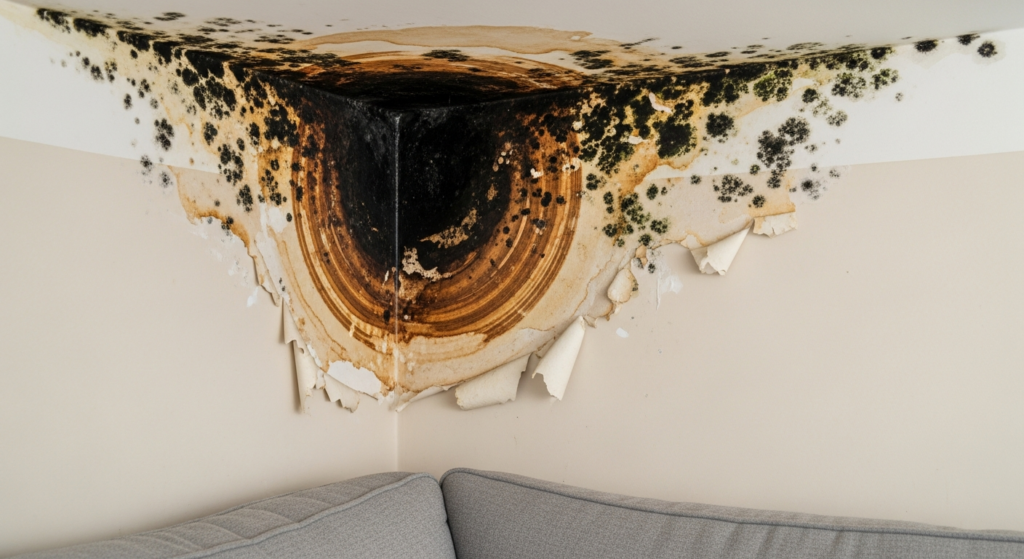
When water appears where it should not, the instinct is to start lifting floors and opening walls. There is a better way. Modern leak detection locates the source first, so you only open up the one spot that actually matters.
What is non-invasive leak detection?
Non-invasive leak detection is the process of finding a hidden leak without destroying the building fabric to get to it. Instead of trial-and-error excavation, a technician uses a combination of instruments to read the signs of escaping water through walls, floors and ceilings. The result is a precise location, often to within a few centimetres, identified before a single tile is lifted. That precision protects your finishes, saves time and keeps repair costs down because the builder knows exactly where to go.
How does the equipment actually find a leak?
It works by detecting the physical evidence a leak leaves behind: sound, temperature and pressure. Each method suits a different scenario, and a good survey combines several to confirm the result.
- Acoustic detection: sensitive ground microphones and listening sticks pick up the high-frequency hiss of pressurised water escaping a pipe, even under concrete or screed.
- Thermal imaging: infrared cameras reveal temperature differences from warm heating-system leaks or the cooling effect of evaporating moisture, mapping the spread across a surface.
- Tracer gas: a safe hydrogen and nitrogen mix is introduced into the drained pipework. The gas escapes at the leak and is detected at the surface with a gas probe, ideal for tiny or intermittent leaks.
- Moisture meters and pressure testing: these confirm where water is sitting and whether a circuit is losing pressure, narrowing the search.
What signs mean you might have a hidden leak?
The clearest signs are unexplained damp, rising water bills and the sound of running water when everything is switched off. Watch for these symptoms:
- Damp patches or staining on walls, ceilings or floors with no obvious cause
- A water meter that keeps ticking over after all taps are closed
- A boiler or heating system that loses pressure and needs frequent topping up
- Warm patches on the floor (a sign of a hot-water or heating leak)
- Musty smells, peeling paint or lifting flooring
- Mould appearing in the same spot despite cleaning
If you spot several of these together, the source is usually a plumbing leak rather than condensation, and detection equipment will confirm it quickly.
Not sure what you're dealing with?
Send us a photo on WhatsApp. We'll tell you what it is, no charge, no obligation.
What happens during a non-invasive leak detection survey?
A survey follows a clear, repeatable sequence so nothing is missed:
- Briefing: the technician reviews your symptoms, water usage and any recent works to focus the search.
- Visual and moisture check: surfaces are scanned with moisture meters to map where water is present.
- Pressure testing: the relevant supply or heating circuit is tested to confirm a loss and rule out other causes.
- Instrument survey: acoustic, thermal and tracer gas tools are deployed to triangulate the exact point.
- Pinpointing: the leak location is marked precisely on the surface.
- Written report: you receive a clear report with findings, the located source and recommended next steps for repair.
That report is the value. It turns a vague damp problem into a defined repair, so a plumber or builder can act with confidence.
How much does professional leak detection cost?
We confirm the price on a written quote once we understand the problem. We will agree a date with you. If it is urgent, call us on 020 3051 8478.
What you are paying for is precise, non-destructive location of the leak using acoustic, thermal and tracer gas methods, plus a clear written report so repairs are targeted, not guesswork. That is a different service from a Damp, Mould and Water Damage Assessment (what many people call a damp survey), which assesses condensation, ventilation and mould risk. Leak detection answers one focused question: where exactly is the water coming from?
Is non-invasive detection better than opening up the wall?
Yes, in almost every case, because it avoids unnecessary damage and gets to the answer faster. Opening walls and floors blind is disruptive, expensive to reinstate and frequently misses the real source, leaving you to repeat the process. Non-invasive methods locate the leak first, so any opening up is deliberate and minimal. You keep your decoration intact, you avoid wasted labour, and you get a documented result you can hand to a tradesperson or your insurer.
Arrange your leak detection survey with Damp & Mould Solutions UK
Damp & Mould Solutions UK carries out non-invasive leak detection across the UK, including central, north, south, east and west London boroughs and the surrounding home counties. If you have unexplained damp, a dripping mystery or a meter that will not settle, call us on 020 3051 8478 or send photos via WhatsApp for an initial view. We will talk you through the likely cause and how detection can pinpoint it.
Frequently Asked Questions
Does non-invasive leak detection damage my property?
How long does a leak detection survey take?
How much does leak detection cost?
Is leak detection the same as a Damp, Mould and Water Damage Assessment?
Can you detect a leak under a concrete floor?
If you've got damp, mould, or a leak, you already know it needs sorting.
The longer it sits, the worse it gets. Get in touch and we will agree a date with you. If it is urgent, say so when you call.