

Storm Damage and Damp: When to Investigate
How to spot storm-related damp, when to investigate after heavy weather, and when to call a surveyor to trace the source.
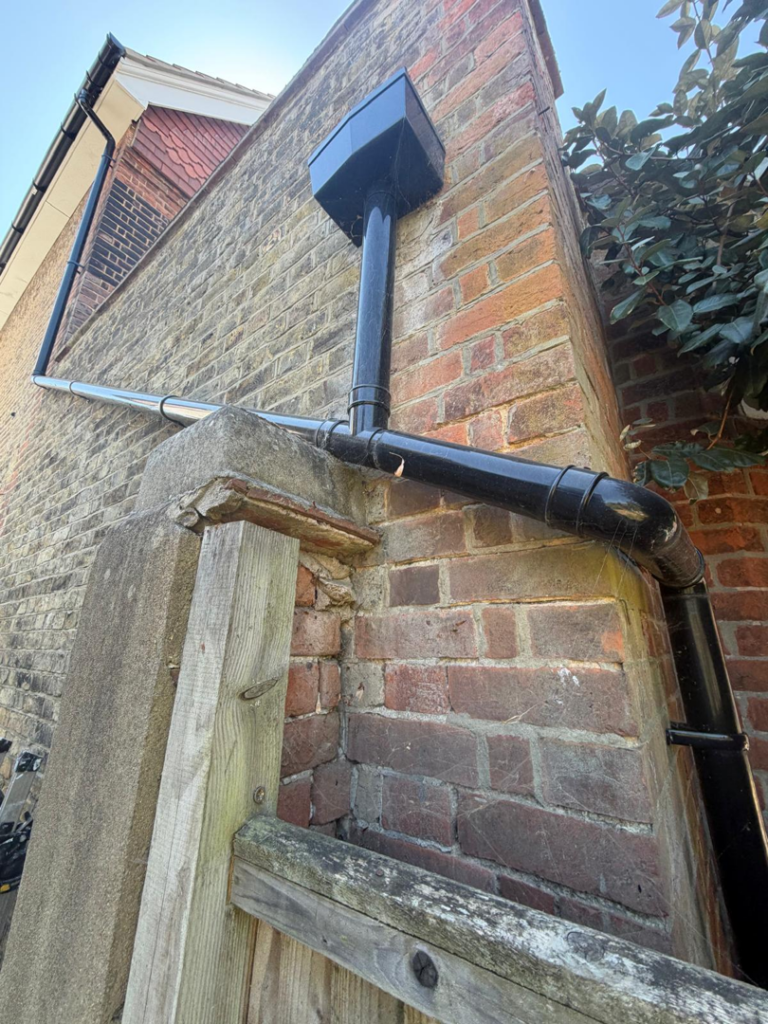
How does storm damage cause damp?
Storm damage causes damp when high winds and driving rain force water past the parts of your building that normally keep it out. A single dislodged tile, a cracked flashing or a blocked gutter is enough to let rainwater enter the structure, and once inside it soaks into plaster, insulation and timber.
The problem is rarely where the water shows. Water follows gravity and the path of least resistance, tracking along rafters, joists and cavity walls before it drips through a ceiling or stains a wall. That is why a damp patch in one room can be fed by a breach several metres away. Wind-driven rain also pushes moisture into gaps that stay dry in ordinary weather, so damage can appear after a storm even where nothing looks obviously broken from the ground.
What are the signs of storm-related damp?
The signs of storm-related damp usually appear within hours or days of heavy weather and often coincide with visible damage outside. Look for these indicators inside and out:
- Fresh water staining or brown tide marks on ceilings and upper walls
- Damp patches that appear or worsen only after rain
- Bubbling, blistering or peeling paint and plaster
- A musty smell in lofts, upper rooms or behind furniture
- Missing, slipped or cracked roof tiles
- Overflowing, sagging or blocked gutters and downpipes
- Damaged or lifted flashing around chimneys, valleys and roof junctions
- Water pooling near external walls after a downpour
When should I investigate after a storm?
Investigate within 24 to 48 hours of the storm and always before the next spell of wet weather. Acting quickly matters because water that sits in plaster, insulation and timber keeps spreading, and every further downpour tops up the moisture through the same breach.
Not sure what you're dealing with?
Send us a photo on WhatsApp. We'll tell you what it is, no charge, no obligation.
The longer moisture stays trapped, the more likely you are to see mould growth, softened plaster and decaying timber, all of which cost far more to put right than the original fault. Early investigation also protects any insurance claim, because insurers expect you to take reasonable steps to limit further damage once you are aware of it. A prompt inspection gives you a clear record of what happened and when.
How can I check my home myself?
You can carry out a safe visual check from ground level without going onto the roof. Follow these steps:
- Wait until conditions are safe, then walk around the outside of the property and look up at the roof for missing, slipped or cracked tiles.
- Check gutters and downpipes for overflow, sagging or debris, especially during or just after rain.
- Look at chimneys, flashings and roof junctions for lifted or damaged sealing.
- Go into the loft with a torch and inspect the underside of the roof for daylight, wet felt, damp timber or water trails.
- Check ceilings and upper walls in each room for fresh stains, bubbling paint or a musty smell.
- Photograph anything you find, with the date, so you have a record for a survey or an insurer.
Do not climb onto the roof yourself and do not open up ceilings or walls to chase a leak. Cutting into the fabric before the source is confirmed often makes damage worse and can hide the evidence a specialist needs.
When should I call in a specialist?
Call in a specialist when damp keeps returning after rain, when staining spreads, or when you cannot see where the water is getting in. At Damp & Mould Solutions UK, we diagnose the cause before anyone talks about remedial work, which means you spend money fixing the real problem rather than the symptom.
A Damp, Mould and Water Damage Assessment (what many people call a damp survey) starts with full moisture mapping across the whole affected area, so we can see how far water has travelled and how saturated the structure is. We use thermal imaging alongside non-destructive, non-invasive leak detection, including acoustic and tracer methods, to trace a source before anything is opened up. Only once the root cause is confirmed do we set out what needs to happen next, including any structural drying the property needs.
We confirm the price on a written quote once we understand the problem. Our Damp, Mould and Water Damage Assessment includes full moisture mapping, root-cause diagnosis and a written, insurance-ready report with a photographic evidence appendix, clear findings and prioritised recommendations. If a leak needs tracing to its exact source, we quote for leak detection separately. To get an initial view, call 020 3051 8478 or send photos via WhatsApp and we will tell you what we can see and what to check next.
Frequently Asked Questions
How soon after a storm can damp appear?
Is storm damage covered by home insurance?
Can I tell storm damp from condensation?
Should I open up the ceiling to find the leak?
If you've got damp, mould, or a leak, you already know it needs sorting.
The longer it sits, the worse it gets. Get in touch and we will agree a date with you. If it is urgent, say so when you call.