

Bathtub Leaks: How to Spot and Repair Them Before Damage Spreads
Learn how to spot bathtub leaks early, trace the source, repair it correctly, and dry the structure before damage spreads.
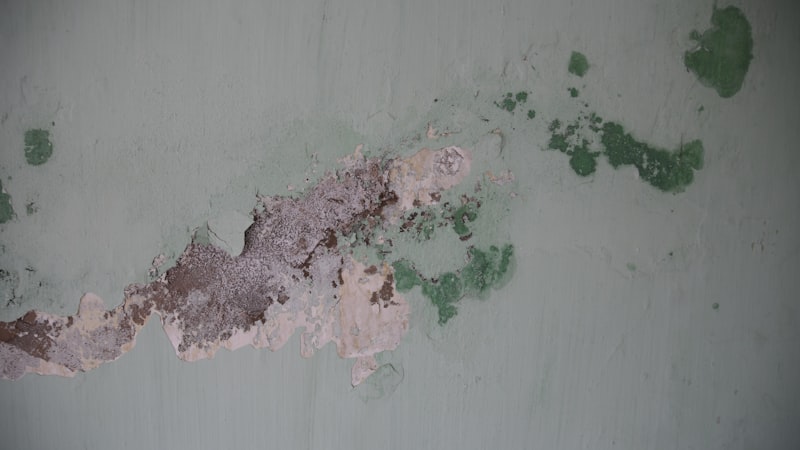
A slow bathtub leak is deceptive. Water tracks along joists and plasterboard, so the damage often shows up a room or a floor away from the actual fault. Catching it early is the difference between a simple sealant repair and a structural drying job. This guide explains how to spot the signs, find the source, and stop damage spreading.
What are the early signs of a bathtub leak?
The earliest signs of a bathtub leak are usually cosmetic changes near or below the bath, often before any water is visible. Look closely at the bathroom itself and the ceiling of the room beneath.
- Brown or yellow staining on the ceiling below the bathroom
- Peeling, bubbling, or blistering paint on walls or ceilings
- Damp, swollen, or discoloured skirting boards near the bath
- Cracked, loose, or blackened sealant around the bath edges
- Lifting or springy floor tiles and vinyl next to the tub
- A persistent musty smell that does not clear with ventilation
- Loose or hollow-sounding tiles on the bath surround
If you see a stain that grows or darkens after every bath or shower, treat that as a confirmed leak rather than old damage.
Not sure what you're dealing with?
Send us a photo on WhatsApp. We'll tell you what it is, no charge, no obligation.
Where do bathtub leaks usually come from?
Most bathtub leaks come from four points: the sealant seam, the overflow and waste connections, the supply pipework, and the tub itself. Knowing the likely source helps you target the repair.
- Perished sealant: the silicone between the bath and wall or floor fails, letting splash water track behind the tub
- Overflow and waste: loose or degraded seals on the overflow assembly leak only when the water level is high
- Supply and trap connections: hot and cold feeds or the trap can weep slowly under the bath
- Cracks or movement: a flexing acrylic bath can crack, or an unsupported tub can shift and break its seal
How do I find the source of a bathtub leak?
Find the source by testing each suspect area in turn and watching for water. Work methodically so you do not miss a hidden fault.
- Dry everything thoroughly, then inspect the sealant, overflow, and visible pipework in good light.
- Fill the bath above the overflow line, wait, and check the ceiling or access panel below for fresh water.
- Drain the bath and watch the waste and trap connections as the water rushes through.
- Run the taps alone to test the supply pipes without filling the tub.
- Wipe joints dry, wrap them in tissue, and check later for damp patches that reveal a slow weep.
If water is reaching joists, plasterboard, or the floor void and you cannot pinpoint the source, professional leak detection uses moisture mapping and thermal imaging to locate the fault without unnecessary demolition.
How do I repair a bathtub leak?
Repair a bathtub leak by fixing the specific source, then drying the affected structure completely before you redecorate. Cosmetic repairs over damp material will simply fail again.
- Isolate the water supply if the leak is on the pipework.
- Remove old sealant fully, clean and dry the joint, then apply fresh mould-resistant sanitary silicone.
- Tighten or replace failed overflow and waste seals, or renew the whole assembly if degraded.
- Replace worn compression or push-fit fittings on supply and trap connections.
- Support an under-braced acrylic bath so it stops flexing and cracking.
- Dry the structure fully before closing up or redecorating.
When should I call a professional about a bathtub leak?
Call a professional when the leak has reached the structure, the source is hidden, or staining keeps returning after repairs. These signs mean water has already spread beyond a simple sealant fix.
- Ceiling staining, sagging, or bulging plaster below the bathroom
- Damp that returns despite resealing and tightening fittings
- A musty smell or visible mould that keeps coming back
- Soft or springy flooring, suggesting rot in the joists or subfloor
We confirm the price on a written quote once we understand the problem. Our Damp, Mould and Water Damage Assessment (what many people call a damp survey) gives you a full insurance-ready written report with a photographic evidence appendix, clear findings, and prioritised recommendations. That written record is invaluable when dealing with insurers or planning remedial work.
What affects the cost of repairing bathtub leak damage?
The cost of repairing bathtub leak damage depends on how far the water has spread and what it has affected, not on the leak itself. A weeping seal caught early costs far less to resolve than one that has soaked into joists and ceilings.
The main factors are the volume and duration of the leak, whether structural timber or plasterboard is affected, how accessible the pipework is, and the extent of drying and redecoration needed. Our survey establishes exactly what is affected first, so any remedial work is scoped accurately rather than guessed at. We do not quote remedial figures blind.
Frequently Asked Questions
Can a bathtub leak cause structural damage?
How quickly should I act on a suspected bathtub leak?
Is a stained ceiling always from a bathtub leak?
Does the survey include finding the leak?
If you've got damp, mould, or a leak, you already know it needs sorting.
The longer it sits, the worse it gets. Get in touch and we will agree a date with you. If it is urgent, say so when you call.