

Black Mould on Wood: How to Treat Frames, Skirting and Furniture
How to treat black mould on wooden frames, skirting and furniture, when to clean, when to replace, and how to stop it returning for good.
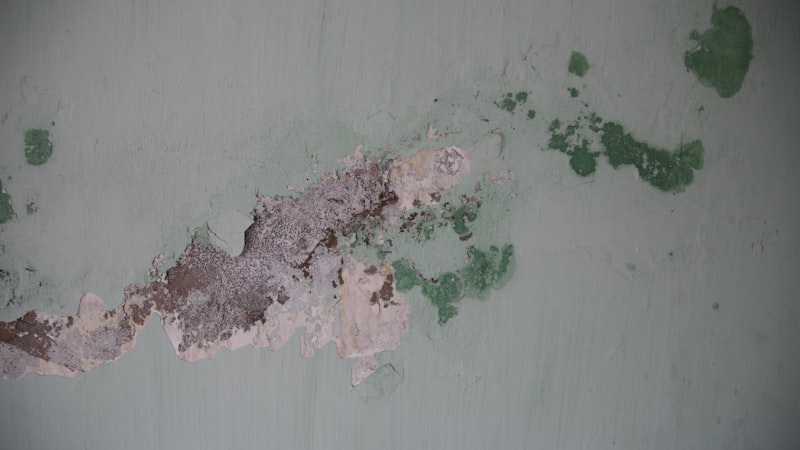
Why does black mould grow on wooden frames and skirting?
Black mould grows on wood because timber holds moisture and provides organic material for spores to feed on. Window frames, skirting boards and furniture near external walls are common targets, since these surfaces sit where warm, humid air meets colder timber and condensation forms.
The usual triggers are condensation from daily living (cooking, showering, drying clothes indoors), penetrating damp through a defective wall or window seal, or rising damp affecting skirting at floor level. Poor ventilation and cold spots make it worse. If you only clean the surface and ignore the water getting in, the mould will return, often in the same spot.
How do I know if it is surface mould or rotten wood?
Surface mould sits on top of sealed or painted wood and wipes away, while rot has penetrated the timber and leaves it soft, crumbly or discoloured through its thickness. Press the wood: if it gives, flakes or feels spongy, you are dealing with more than a cosmetic problem.
Look for these signs:
- Black or dark green speckling that smears when wiped (usually surface mould)
- Fuzzy or powdery growth on bare, unsealed timber
- Soft, spongy or crumbling wood when pressed
- Cracking, warping or a musty smell from within the timber
- White or grey strands, which can indicate a more serious fungal issue
If timber is soft or the growth keeps returning, a professional mould inspection will identify whether you have surface mould, wet rot or something needing structural attention.
Not sure what you're dealing with?
Send us a photo on WhatsApp. We'll tell you what it is, no charge, no obligation.
How do I treat black mould on sealed frames and skirting?
Treat sealed or painted wood by cleaning it with a dedicated mould remover, then drying it fully and improving ventilation to stop it recurring. Sealed surfaces are the most straightforward because the mould has not penetrated the timber itself.
- Ventilate the room and wear gloves, an FFP2 mask and eye protection.
- Apply a mould-specific cleaner or fungicidal wash to the affected area.
- Leave it to dwell for the time stated on the product, then wipe with a disposable cloth.
- Dry the surface completely with a fresh cloth.
- Dispose of cloths in a sealed bag, do not brush the mould dry (this spreads spores).
- Monitor the spot over the following weeks for any return.
Avoid using neat bleach on wood. It can leave the surface damp, may not penetrate porous timber and often bleaches the colour without killing growth in the grain.
Can black mould on wooden furniture be saved?
Sometimes yes, if the furniture is solid, sealed and only surface-affected, but heavily saturated or porous pieces are often better replaced. Antique, veneered or upholstered items are harder to salvage because mould penetrates soft, porous materials and is difficult to remove fully.
For solid, finished furniture, clean as you would sealed skirting, then dry it thoroughly away from the damp area. For bare wood, light sanding after cleaning can remove shallow staining, but repeated regrowth means moisture is still present. If a piece smells persistently musty or the mould sits deep in the grain, replacement is usually the safer choice for your health and belongings.
What if I rent and my landlord will not act?
If you rent, your landlord is legally responsible for addressing damp and mould caused by disrepair or inadequate ventilation, and recent law has strengthened your position. Under Awaab’s Law, social landlords must investigate and fix reported damp and mould within set timeframes, and the Renters’ Rights Act extends greater protection and accountability across the sector.
Report the problem in writing and keep photographs with dates. A written survey from a specialist gives you clear, evidence-based grounds to press for action. Our comprehensive survey produces a full insurance-ready written report with a photographic evidence appendix, clear findings and prioritised recommendations, which tenants and landlords alike can rely on.
Does the cost of removing black mould on wood vary?
Yes, the cost of remedial work varies with the cause and extent, which is why diagnosis comes first. A quick surface wipe on sealed skirting is a different job from replacing rotten timber or fixing penetrating damp behind a wall.
We confirm the price on a written quote once we understand the problem. This includes a full insurance-ready written report with a photographic evidence appendix, clear findings and prioritised recommendations, so you know exactly what is driving the mould and what needs doing. Factors that affect the wider cost of works include the moisture source, the area affected, whether timber must be replaced, and access. Once the cause is confirmed, our mould remediation guidance sets out the right sequence of repairs.
Arrange your Damp, Mould and Water Damage Assessment
Damp & Mould Solutions UK carries out Damp, Mould and Water Damage Assessments across the UK, including London boroughs such as Camden, Islington, Hackney, Wandsworth, Lambeth, Southwark, Ealing and the surrounding boroughs. Call 020 3051 8478 or send photos of the affected frames, skirting or furniture via WhatsApp for an initial view, and we will advise on the right next step.
Frequently Asked Questions
Does vinegar kill black mould on wood?
Is black mould on wood dangerous?
Will painting over black mould get rid of it?
How long before black mould comes back after cleaning?
If you've got damp, mould, or a leak, you already know it needs sorting.
The longer it sits, the worse it gets. Get in touch and we will agree a date with you. If it is urgent, say so when you call.