

Damp Survey East London: What to Expect and Why It Matters
A damp survey in East London pinpoints the moisture source and provides a written remediation plan, with a Damp, Mould and Water Damage Assessment from Damp & Mould Solutions UK.
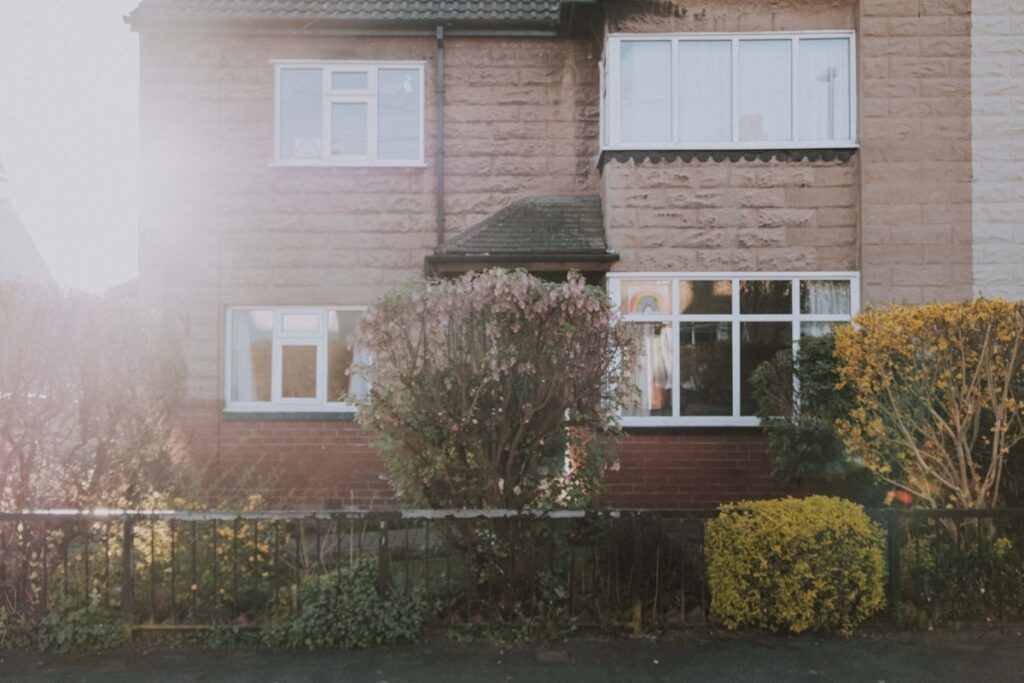
Damp problems in East London properties are common. The mix of Victorian terraced housing, converted flats and older social housing stock across postcodes like E1, E2, E3, E6, E7, E12, E13 and E15 means that moisture issues (rising damp, penetrating damp and condensation) are a regular concern for homeowners, tenants and landlords alike. A professional damp survey is not a general inspection. It is a targeted investigation carried out using specialist equipment to find exactly where water is entering or accumulating.
What does a Damp, Mould and Water Damage Assessment involve?
A damp survey involves a qualified surveyor visiting your property and carrying out a thorough assessment using tools including moisture meters, thermal imaging cameras and sometimes borescopes for wall cavities. The survey covers all affected rooms and adjacent areas, since moisture often travels further than the visible signs suggest.
Common findings in East London properties include:
- Rising damp from failed or absent damp proof courses, particularly common in pre-1950s housing
- Penetrating damp through poorly maintained pointing, render or guttering
- Condensation issues driven by inadequate ventilation, common in modern conversions
- Interstitial condensation within wall structures
- Slow leaks from plumbing behind walls or under floors
The survey concludes with a written report detailing the cause, extent and recommended remediation. This report is useful not only for arranging the work but also for landlords managing compliance obligations, buyers negotiating on a property, or insurance purposes.
How much does a Damp, Mould and Water Damage Assessment cost in East London?
We confirm the price on a written quote once we understand the problem. Our Damp, Mould and Water Damage Assessment includes a full insurance-ready report with a photographic evidence appendix. There are no hidden extras for the investigation itself, so you know the cost up front before any work is arranged.
Not sure what you're dealing with?
Send us a photo on WhatsApp. We'll tell you what it is, no charge, no obligation.
The cost of any remediation that follows depends on factors such as the size of the property, the type and severity of the damp problem, how many rooms are affected and the nature of the work required, whether that is improving ventilation, repairing external building fabric, structural drying or installing a new damp proof course. The earlier a damp problem is investigated, the simpler and less disruptive the remediation tends to be, so a survey often pays for itself by avoiding larger repair bills later.
When should you book a damp survey?
You should arrange a damp survey as soon as you notice persistent signs of moisture, because damp that is left untreated encourages mould growth, which spreads through wall surfaces and can affect furniture, clothing and air quality.
Signs that a damp survey is needed include:
- Visible damp patches on walls or ceilings, particularly after rainfall
- Tide marks or salt deposits near skirting boards
- Musty or earthy smell that persists even when windows are open
- Mould appearing repeatedly in the same location despite cleaning
- Peeling wallpaper or bubbling paint without an obvious cause
- Increased condensation on windows or cold walls
What do landlords in East London need to know?
Landlords in East London need to investigate and resolve damp and mould promptly, because unresolved damp now carries legal consequences under Awaab’s Law and the Renters’ Rights Act. Landlords with properties across boroughs including Tower Hamlets, Newham, Hackney and Waltham Forest are increasingly receiving damp and mould complaints from tenants, and failure to act within the required timeframes carries serious legal risk.
A professional damp survey provides documented evidence of the investigation, the findings and the recommended course of action. This documentation is important both for responding formally to tenant complaints and for demonstrating compliance with housing standards. For property managers handling multiple sites, survey reports can be stored and referenced when scheduling follow-up remediation work or when demonstrating compliance during inspections.
What happens after the survey?
After the survey, the appropriate remediation is arranged once the cause is confirmed. The steps usually follow this order:
- Confirm the source of moisture from the survey findings
- For active leaks, carry out a leak detection survey to trace the source before drying begins
- Where needed, apply structural drying using commercial dehumidifiers to reduce moisture in walls and floors
- Carry out remediation such as mould remediation treatment, repair of external building fabric, ventilation improvements or installation of a new damp proof course
Arrange your Damp, Mould and Water Damage Assessment in East London
Damp & Mould Solutions UK carries out Damp, Mould and Water Damage Assessments across East London and Greater London, including Tower Hamlets, Newham, Hackney and Waltham Forest. Surveys are carried out by experienced specialists using calibrated equipment, and all findings are provided in a written report. To arrange a survey or discuss a damp problem, call 020 3051 8478, contact us here or send photos of the affected areas via WhatsApp for an initial view.
Frequently Asked Questions
How long does a Damp, Mould and Water Damage Assessment take?
Can a damp survey tell the difference between rising damp and condensation?
Do landlords legally need a damp survey?
Is a damp survey useful when buying a property?
If you've got damp, mould, or a leak, you already know it needs sorting.
The longer it sits, the worse it gets. Get in touch and we will agree a date with you. If it is urgent, say so when you call.